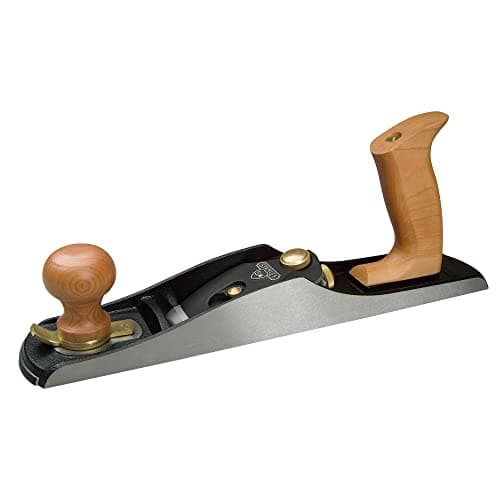
Best Bench Plane
The Best Hand Planes
Bench planes ranked on cited warranty terms, parts availability and cost per decade. The best two in the class sell direct and pay us nothing; they are still in the list.
Bench planes, block planes, and the numbers on the side
A plane is the tool most likely to still be working in eighty years, and the one people most often buy twice. Here is how to only buy it once.
We earn a commission when you buy through our Amazon links, at no extra cost to you. It never decides a ranking, and where the best tool in a class is one we earn nothing on, we say so and link it anyway. How this works.
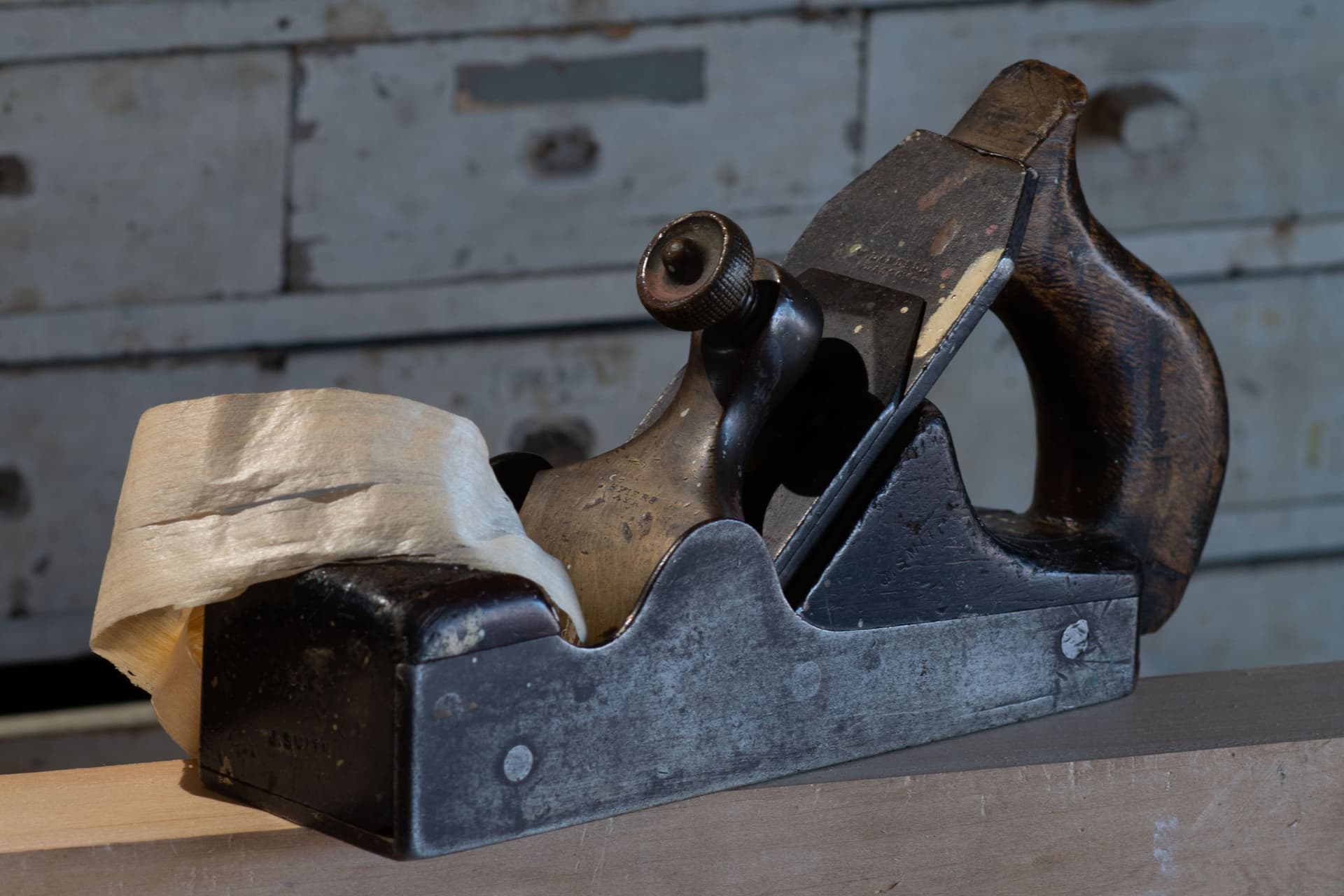
The hand plane is the reason this site exists. It is the tool in the workshop most likely to outlive the person who bought it, and it is also the tool people most reliably buy twice: once cheap, to find out whether they like planing, and again properly, once the first one has taught them what a badly machined sole and a soft iron feel like. The second purchase is the one worth getting right, and the argument on this hub is that you can skip straight to it.
A bench plane is four things stacked together: a flat sole, a bed at a fixed angle, a hardened iron, and a mechanism for holding the iron rigidly at a repeatable depth. Almost every difference in price comes down to how well those four are executed. A $28 plane and a $230 plane both cut wood. The difference shows in how much work you do before the first shaving — flattening the sole, lapping the frog, grinding the iron back to a real edge, packing out a loose lever cap — and in whether the adjustment holds after an hour of use or wanders every few passes.
The numbering system is inherited from Stanley's catalog and every maker still uses it. Broadly: higher number means longer sole. A No. 4 is a smoother, around 9 inches, for the final passes that leave a surface you do not need to sand. A No. 5 is a jack, around 14 inches, the general-purpose plane most people should own first. A No. 7 is a jointer, around 22 inches, for making edges genuinely straight over a long board (ranked on the best jointer planes). A No. 62 is a low-angle jack with the iron bedded bevel-up at 12 degrees, which makes it unusually versatile because changing the bevel angle changes the effective cutting angle. If you want the full breakdown, we wrote plane numbers explained and bevel-up versus bevel-down.
Two things stood out while compiling this hub. The first is that the two best bench planes you can buy in North America — Lie-Nielsen and Veritas — are sold direct by their makers and are not on Amazon at all. We earn nothing on either. They are still named as the right answer on the main roundup and in the premium comparison, because quietly omitting the best tool in a category because it pays no commission is the exact behavior this site was built to avoid.
The second is that the cheapest genuinely good route into planing is not a new plane at all. A vintage Stanley Bailey from the right production window, cleaned up and fitted with a decent iron, will out-perform most of what sits in the $80–$120 band new, and the castings from that era are still in daily use a century later. That is not nostalgia; it is the strongest available evidence that the design outlives its owner. It is why restore and vintage is a full hub here rather than a nostalgia section, and why vintage versus new is worth reading before you spend anything.
The numbered castings are also not the only tradition. A Japanese kanna is a laminated iron wedged into a wooden block and pulled toward you, with no mechanism at all to wear out — a plane that is either the most appealing thing on this hub or the most alarming, depending on how you feel about setting a tool up yourself. The ones you can actually buy, ranked on what their makers publish about the steel and the warranty, are on the best Japanese hand planes.
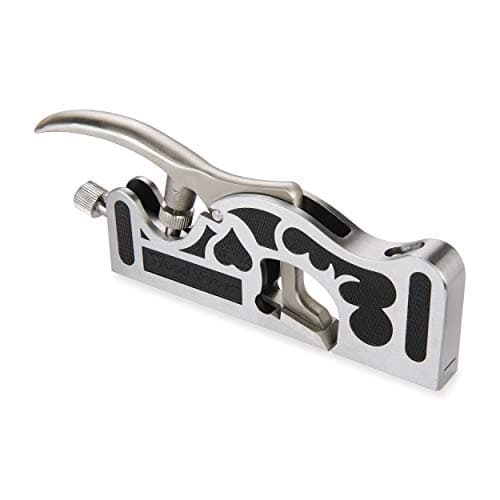
Nor is every plane a bench plane. The joinery planes carry an iron the full width of the body — ground a few thousandths wider than the body, in fact — so they can cut into an inside corner and leave nothing uncut, which is the only way to pare a tenon's shoulder flush and the one thing no bench plane can do. The ones you can actually buy, ranked on what their makers publish about the steel and on the question that decides the class — whether a replacement iron exists at all — are on the best shoulder planes.
Every pick on this hub carries a cost-per-decade figure computed from the live price and a comparison horizon set by two cited facts: whether the maker publishes a warranty, and whether replacement irons and parts can actually be bought. Those two facts matter more for planes than for almost anything else in the workshop, because the iron is a consumable. You will sharpen it away over decades. A plane whose iron you can replace is a tool; a plane whose iron you cannot replace is a countdown — and which blades you can actually buy, on what the makers publish about them, is ranked on the best replacement plane irons. The tier table and the arithmetic are on cost per decade, and the warranty research sits on warranties and repairability.
One more thing that has nothing to do with which plane you buy: no plane works until the iron is genuinely sharp, and most complaints about a new plane are complaints about a factory edge. Budget for a stone before you budget for the next plane. Our sharpening hub covers what to get, and how to sharpen a plane iron covers what to do with it.
New to the bench? Start with how to use a hand plane, then meet the family one plane at a time: the jack plane, the smoothing plane and the jointer plane. To understand the part that most controls tearout, read what a cap iron does, and if you are shopping the secondhand market, Record vs Stanley planessettles the usual question. And when a single plane is worth a page of its own — because its maker publishes a steel grade, a numbered spare iron and a no-receipt lifetime warranty policy at a price where none of that normally exists — we write one: the Jorgensen block plane, reviewed.
Start here
Every list below carries a live price and the cost-per-decade arithmetic next to each tool. Where the best tool in a class is one we earn nothing on, it is still in the list.
Best Bench Plane
Bench planes ranked on cited warranty terms, parts availability and cost per decade. The best two in the class sell direct and pay us nothing; they are still in the list.
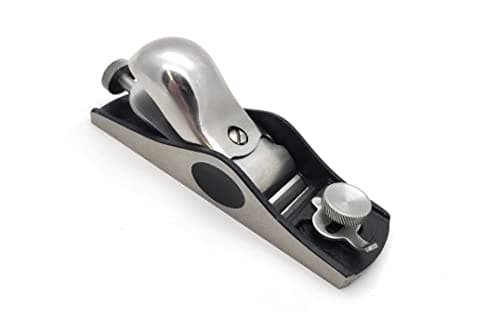
Best Block Plane
Six block planes ranked on bed angle and mouth adjustment, with the cost-per-decade arithmetic. The adjustable mouth is the feature that decides it.
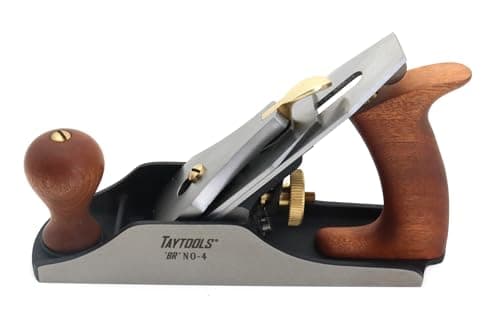
Best First Plane
Six first planes ranked on how much fettling they need out of the box, with the cost-per-decade math and the sharpening budget nobody mentions.
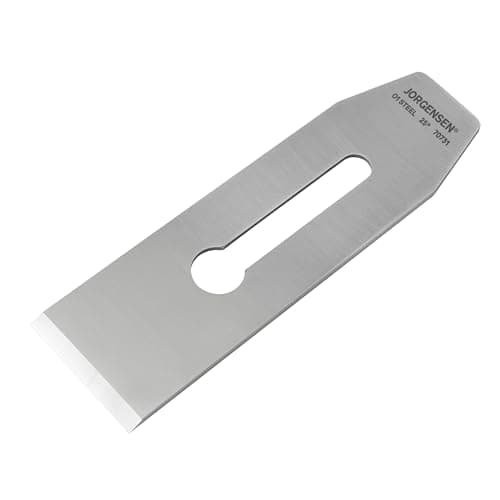
Best Replacement Iron
Seven replacement plane irons ranked on published grade, hardness, thickness and stated fitment, with the honest answer about when a new blade fixes nothing.
Our pick · Jorgensen Replacement Plane Blade, O1, No. 4 / No. 5
#ad· we may earn a commission
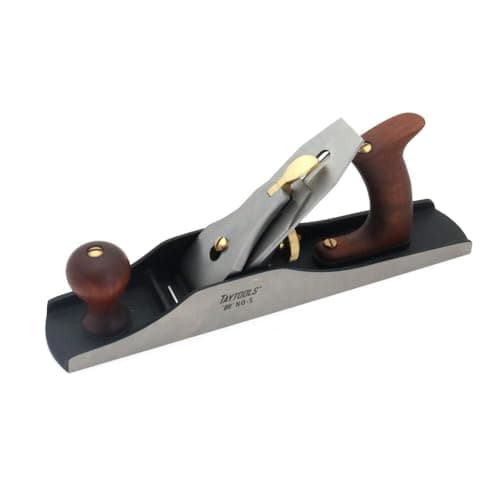
Best Jack Plane
Seven jack planes ranked on published iron specs, sole tolerances, frog design and warranty terms — five bevel-down No. 5s and two low-angle No. 62s.
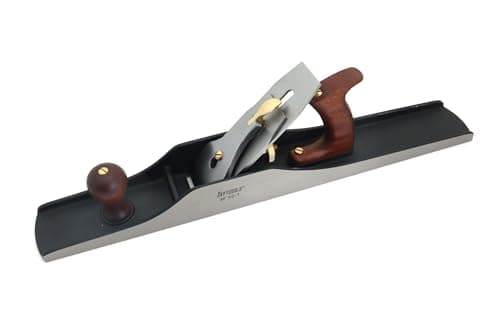
Best Jointer Plane
Seven long planes ranked on published iron specs, sole tolerances, frog design and warranty terms — four 22-inch No. 7 jointers and three 18-inch No. 6 fore planes.
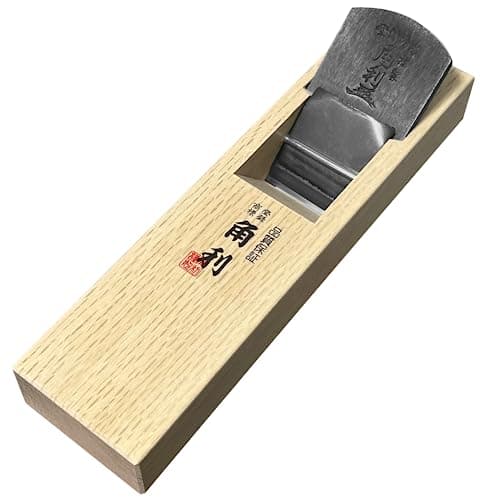
Best Japanese Plane
Seven kanna from KAKURI and SUIZAN ranked on published steel, cutting width, dai wood, weight and warranty terms — plus the setup hour nobody prices in.
Best Shoulder Plane
Seven joinery planes ranked on published evidence rather than testing: iron steel and hardness, bed angle, sole flatness tolerance, and whether the maker sells a replacement iron. Only two of the seven do.
Best End-Grain Plane
Six low-angle planes ranked for end grain on bed angle, mouth adjustment and iron thickness: two block planes, two bevel-up jacks, a shoulder plane and the cheapest one with a warranty.
Best Plane for Fitting Doors
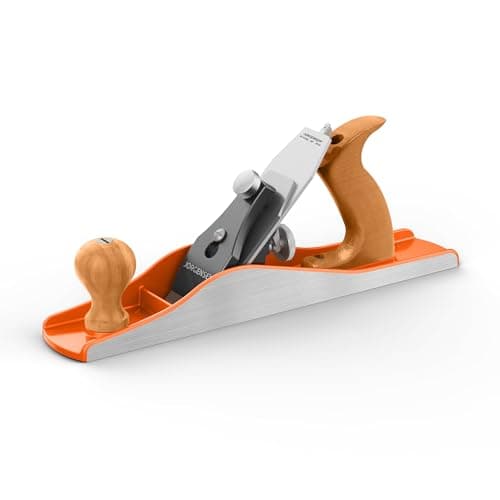
Six planes ranked for hanging and easing doors: jack planes for the long edge, low-angle block planes for the top and bottom end grain, with published sole lengths, mouth specs and warranty terms.
Best Router Plane
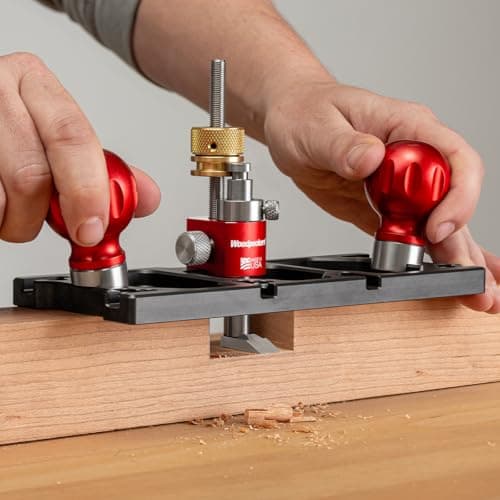
Seven router planes ranked on depth-stop repeatability, open versus closed throat and spare-cutter availability, from a 4 in mini to a zero-backlash ductile iron premium plane.
Best Smoothing Plane
Six No. 4 bench planes ranked on published iron thickness, frog contact and replacement-iron availability — from the plane that costs less than lunch to the one that costs more than a jointer.
Best Plane Under $100
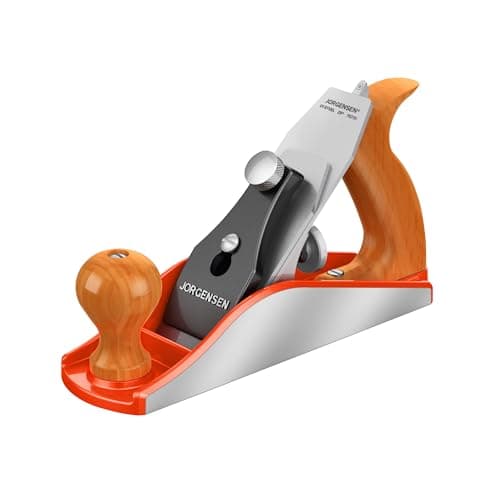
Seven planes inside the sub-$100 band at the last price check, covering the range from block plane to No. 7 jointer, ranked on published sole flatness, iron spec and warranty.
Best Plane for Rough Stock
Six jack and fore planes ranked for dimensioning rough sawn stock on published sole length, iron thickness and weight — plus an honest note on why no scrub plane is ranked.
Best Shooting Board Plane
Five planes ranked for shooting end grain on the specification that decides it — whether the side is flat and square to the sole — plus bed angle, mass and mouth adjustment.
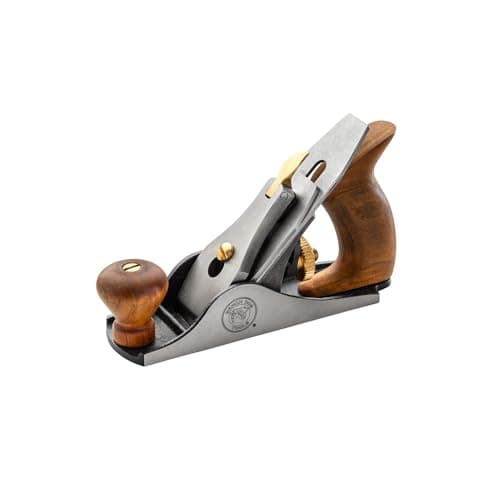
Best Mini Plane
Five genuinely small planes ranked on the specification that decides them — whether the maker catalogs a spare iron — plus what a mini plane can and cannot do, and why the brass miniature sets are not tools.
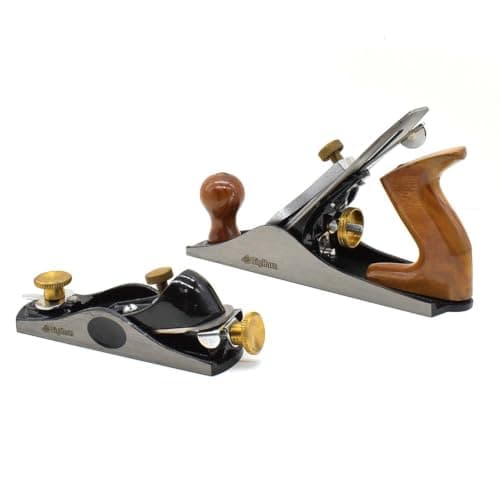
Best Plane Kit
The only two multi-plane kits from named brands that were actually purchasable, ranked against the three-plane set we would assemble instead, with what each plane in a set has to earn.
Our pick · Big Horn 19877 Bench & Block Plane Kit (No. 4 and 60-1/2)
#ad· we may earn a commission
Best Luthier Plane
Five planes ranked by the five plane jobs in an instrument build: jointing plate halves, thicknessing, carving braces, cleaning joint cheeks and cutting rosette channels.
If you're deciding between two
The comparisons that come up over and over, answered with the specification differences that actually change what the tool does.
Head to head
Every plane maker worth naming, compared on the two things that decide a lifetime purchase: published warranty terms and whether replacement parts are actually sold.
Head to head
Sole length is the whole difference, and it decides what each tool can physically do. Which to buy first, and why owning both is not redundant.
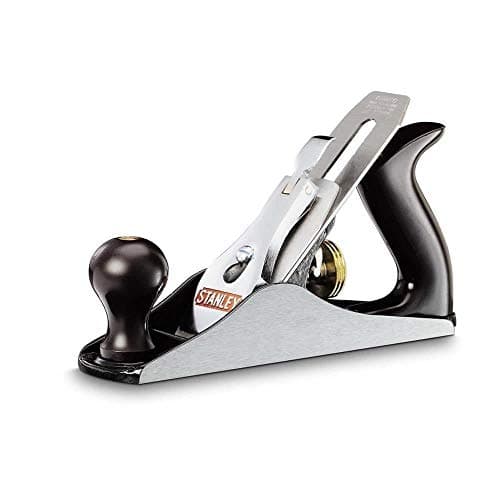
Head to head
The three bench plane sizes, what each is physically for, how they are sharpened differently, and why two of the three is usually the right number to own.
Head to head
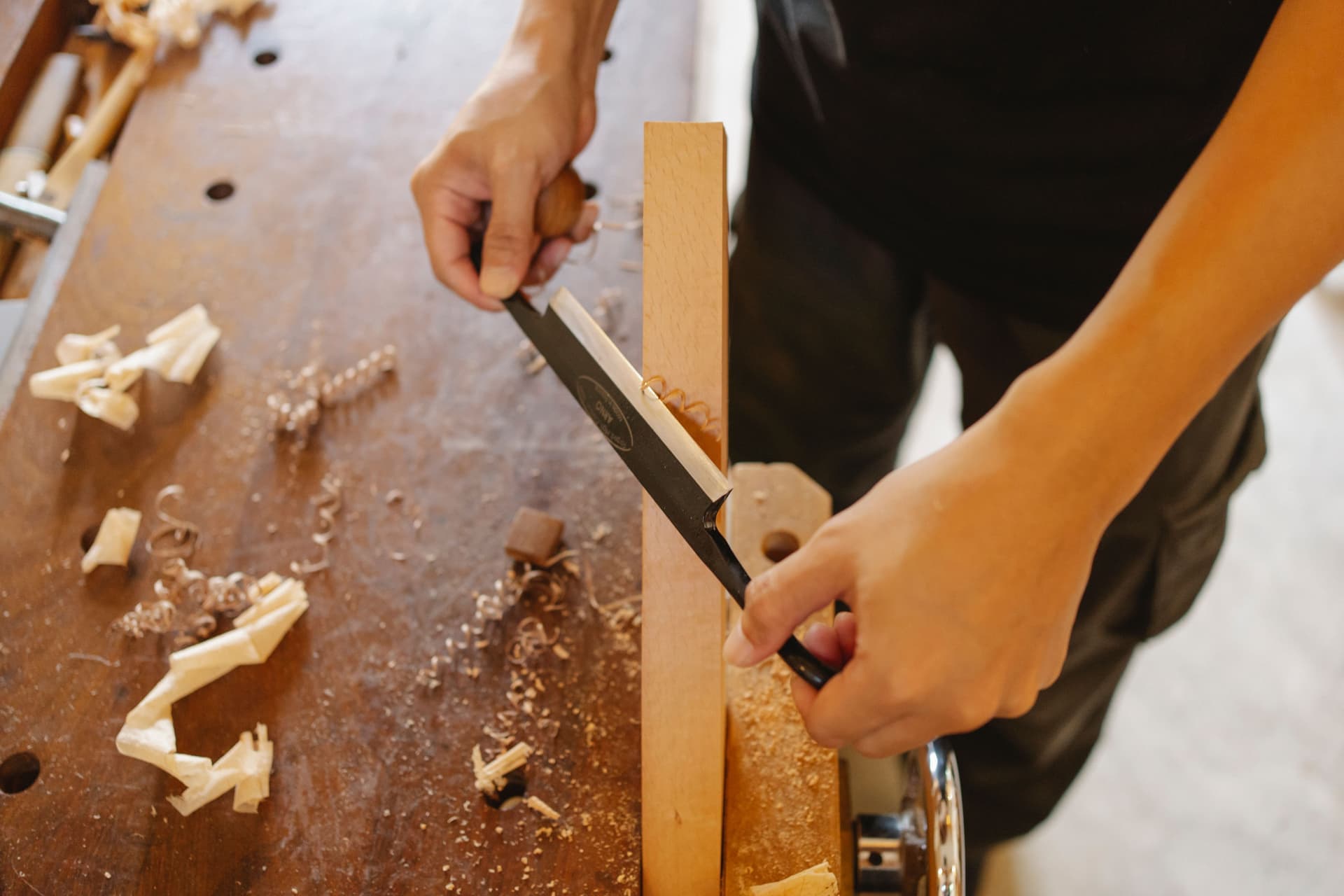
The two premium makers compared on philosophy, parts availability and published guarantees. Neither is sold on Amazon, so we earn nothing either way.
Head to head
Where a hand plane genuinely beats a machine and where it does not, with the cost, dust, noise and space arithmetic that usually decides it.
Head to head
Smoother versus jack: how length, mass and camber split the work between them, which to buy first, and why owning both is not redundant.
Head to head
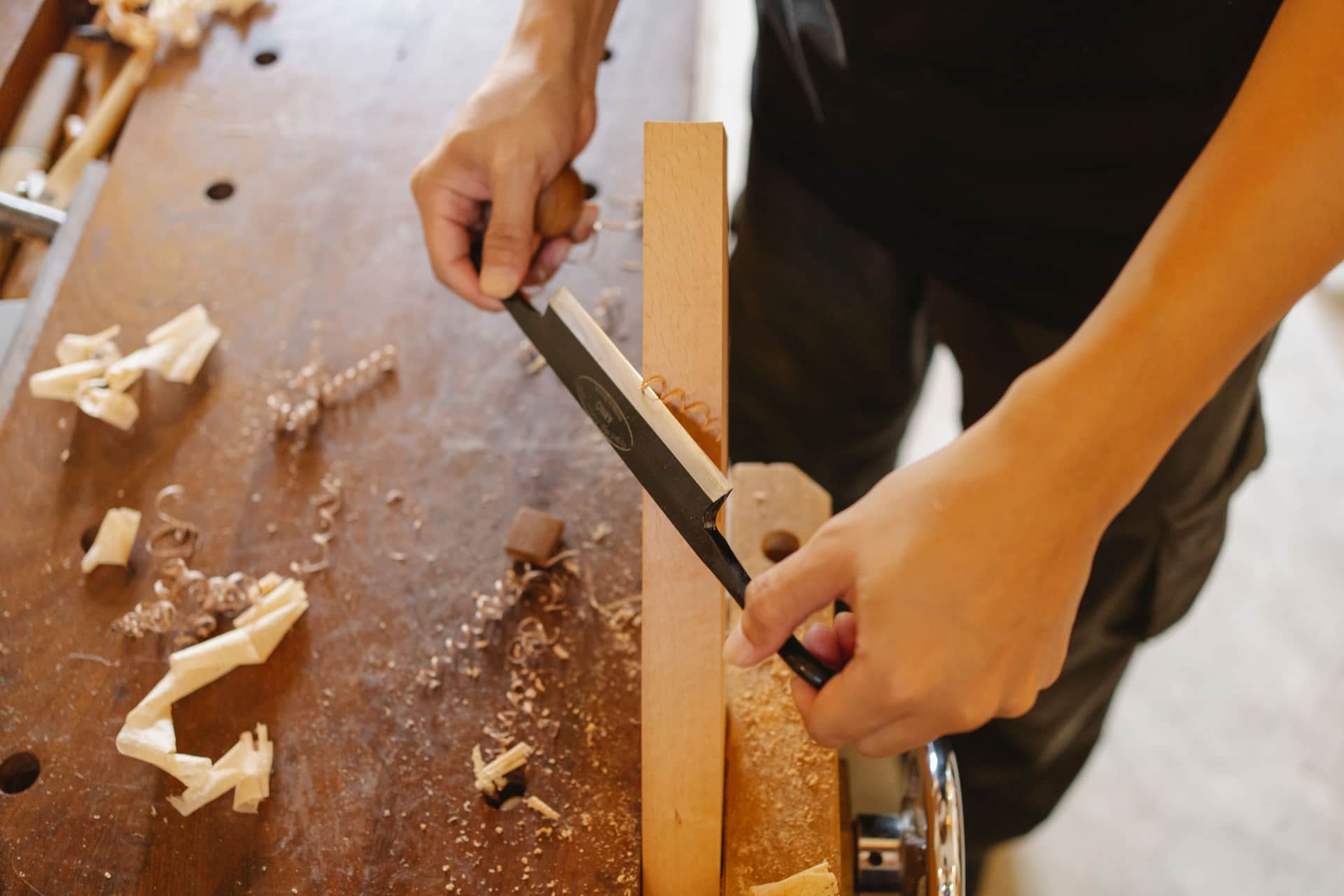
Jack versus jointer: how sole length changes flattening and edge-jointing, why registration favors the longer plane, and when a jack can substitute.
Head to head
Trimming tenon shoulders and cheeks versus cutting rabbets: how full-width-blade geometry, bullnose options and mass split these two joinery planes.
Head to head
Wooden, transitional and infill planes versus the cast-iron Bailey, compared on weight, glide, adjustment, wear and how each survives decades of use.
Head to head
Record versus Stanley bench planes: their shared Bailey lineage, interchangeable parts, the good eras of each, and how to judge a used example before you buy.
Head to head
The two tool steels every premium plane iron and chisel is made from, compared on published composition rather than folklore, with the honest note that most tools never tell you which one you are buying.
Our pick · Jorgensen Replacement Plane Blade, O1, No. 4 / No. 5
#ad· we may earn a commission
Head to head
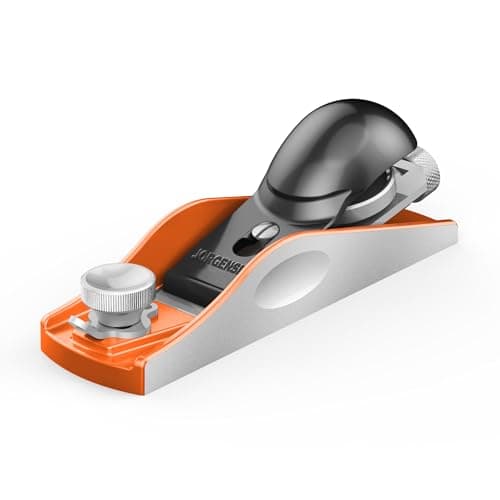
The Jorgensen No. 60-1/2 reviewed on published evidence: ductile iron, a 3 mm O1 iron, an adjustable mouth and a numbered spare blade — against a product page that publishes no warranty and a company warranty page that does.
Head to head
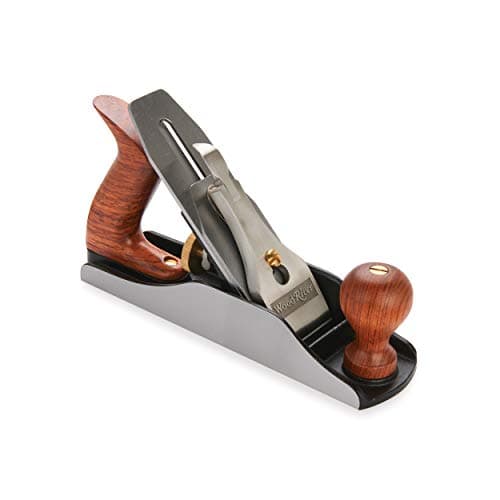
The modern Bedrock copy against the pattern it copies: six planes compared on published iron spec, frog design, warranty terms and replacement-part availability.
The mechanism
Why the tool works the way it does, and what to do with it once you own it. No affiliate links are required to read any of these.
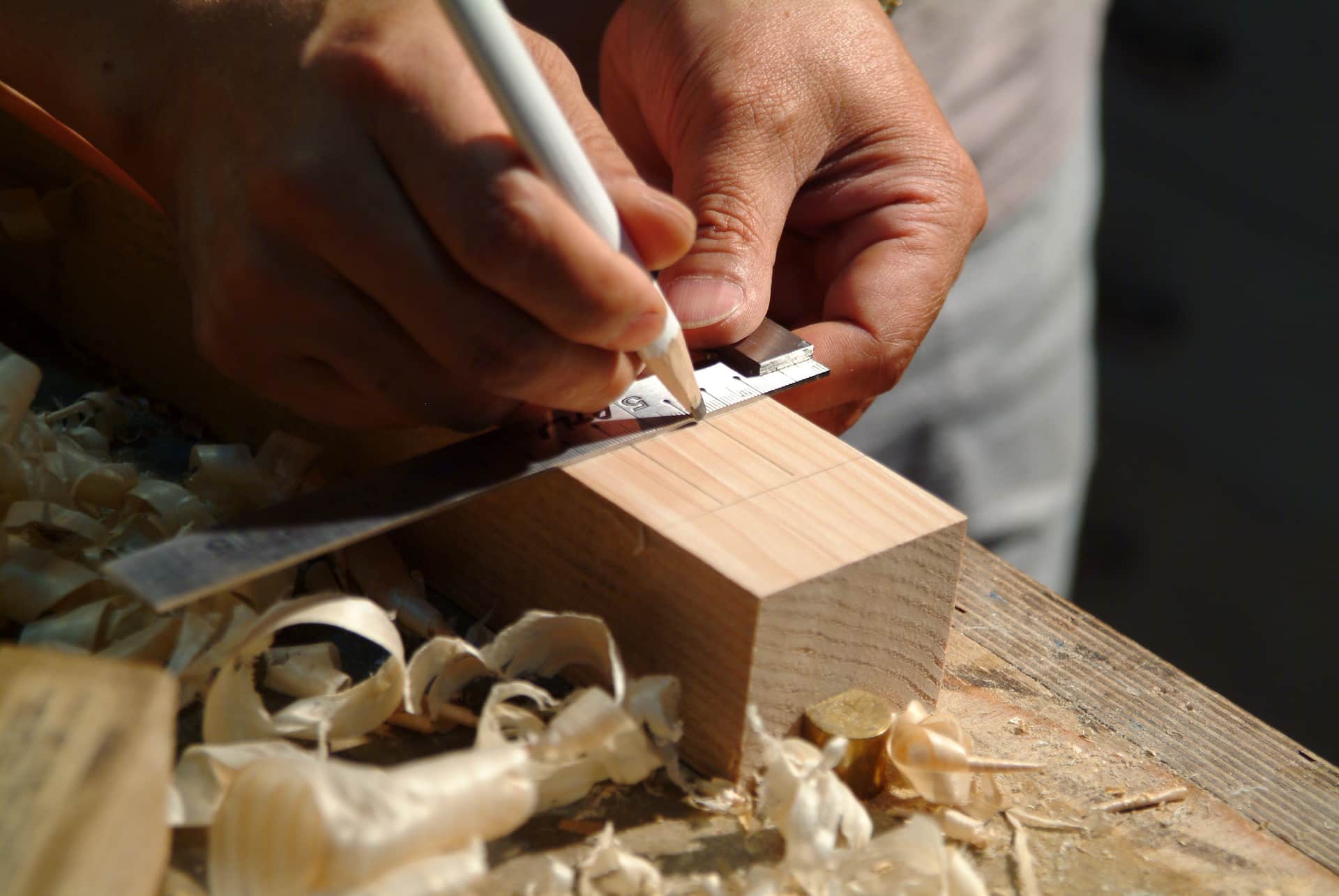
Guide
What each plane number means, how long it is, what it is for, and which of them are worth owning. The system is inherited, not designed.
Guide
The geometry, in numbers: why a bevel-up plane's cutting angle is yours to set and a bevel-down plane's is fixed, and what that changes.
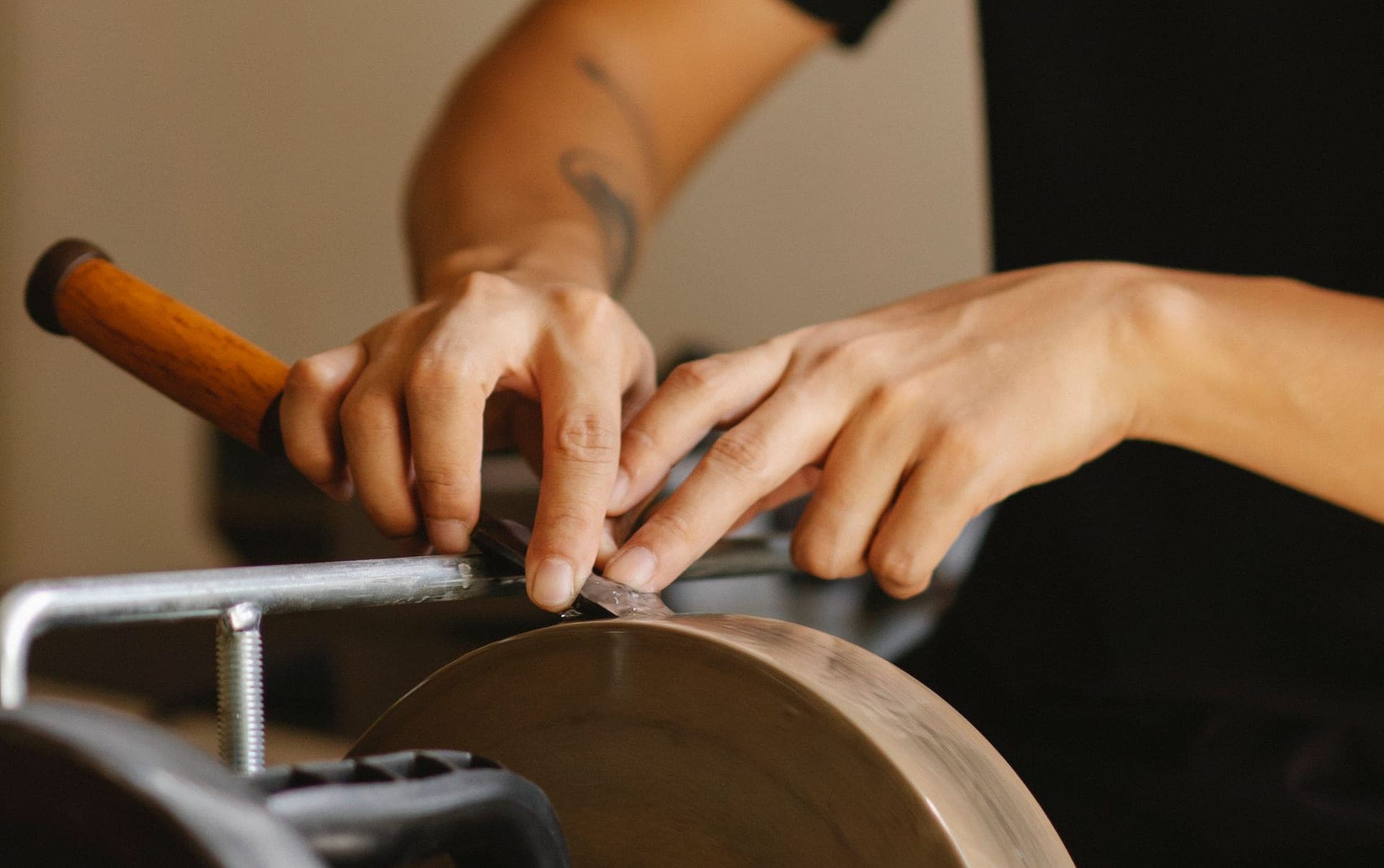
Guide
The first hour with a new or used plane, step by step: lapping, sole check, frog seating, chipbreaker, and the first shaving.
Guide
How to check whether a plane sole is actually out of true, lap it flat over glass with the right grits, and recognize the many soles that need nothing.
Guide
The eight things a hand plane does wrong, each traced from the symptom on the wood to the real cause and the fix, in a diagnosis-first table.
Guide
The plane built for fast, rough stock removal: its narrow cambered iron and wide mouth, how it dimensions rough lumber, and when a cambered jack does instead.
Guide
The little two-handled plane for shaping curves: flat versus round soles, low-angle models, setup, pushing versus pulling, and sharpening its short iron.
Guide
How to hold, push and steer a hand plane, set the cut, read the shaving to diagnose the setting, and follow the grain so you finish without tearing.
Guide
What a jack plane is, where the name comes from, the jobs it does with a cambered or straight iron, and why its versatility makes it the classic first plane.
Guide
What a smoothing plane is, why its short sole and tight mouth make it the finishing tool, and how a well-set smoother can leave a surface that needs no sanding.
Guide
What a jointer plane is, why its long sole is the only thing that makes an edge straight from end to end, and how to joint an edge square for a glue-up.
Guide
What a cap iron is, why it doubles as a chipbreaker, how setting it close to the edge kills tearout, and how to fit and hone it so it seats with no gap.
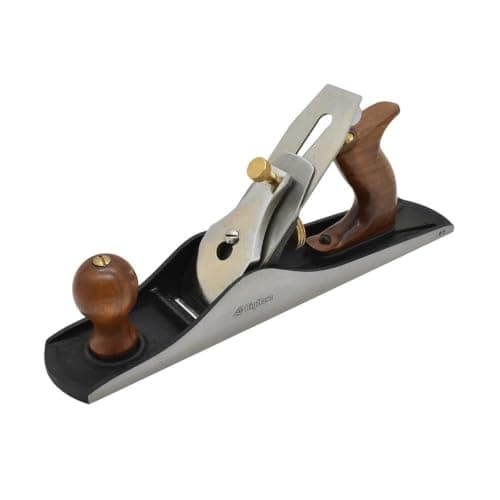
Guide
The hand-tool sequence from rough-sawn to four-square: cambered jack, fore or jointer plane, smoother last, and which of the four planes to buy first.
Guide
Why end-grain boards blunt irons so fast, how to keep the corners from blowing out, what the finish question actually is, and four planes that suit the job.
The rest of the workshop