Best Hand Saw
The Best Hand Saws
Seven saws ranked on cut quality and renewability, with the cost-per-decade math. Includes an honest reckoning with impulse-hardened teeth.
Western push, Japanese pull, and the tooth geometry that decides
The one category where the buy-it-for-life answer is genuinely contested, because the best-cutting saws are the ones with disposable blades.
We earn a commission when you buy through our Amazon links, at no extra cost to you. It never decides a ranking, and where the best tool in a class is one we earn nothing on, we say so and link it anyway. How this works.
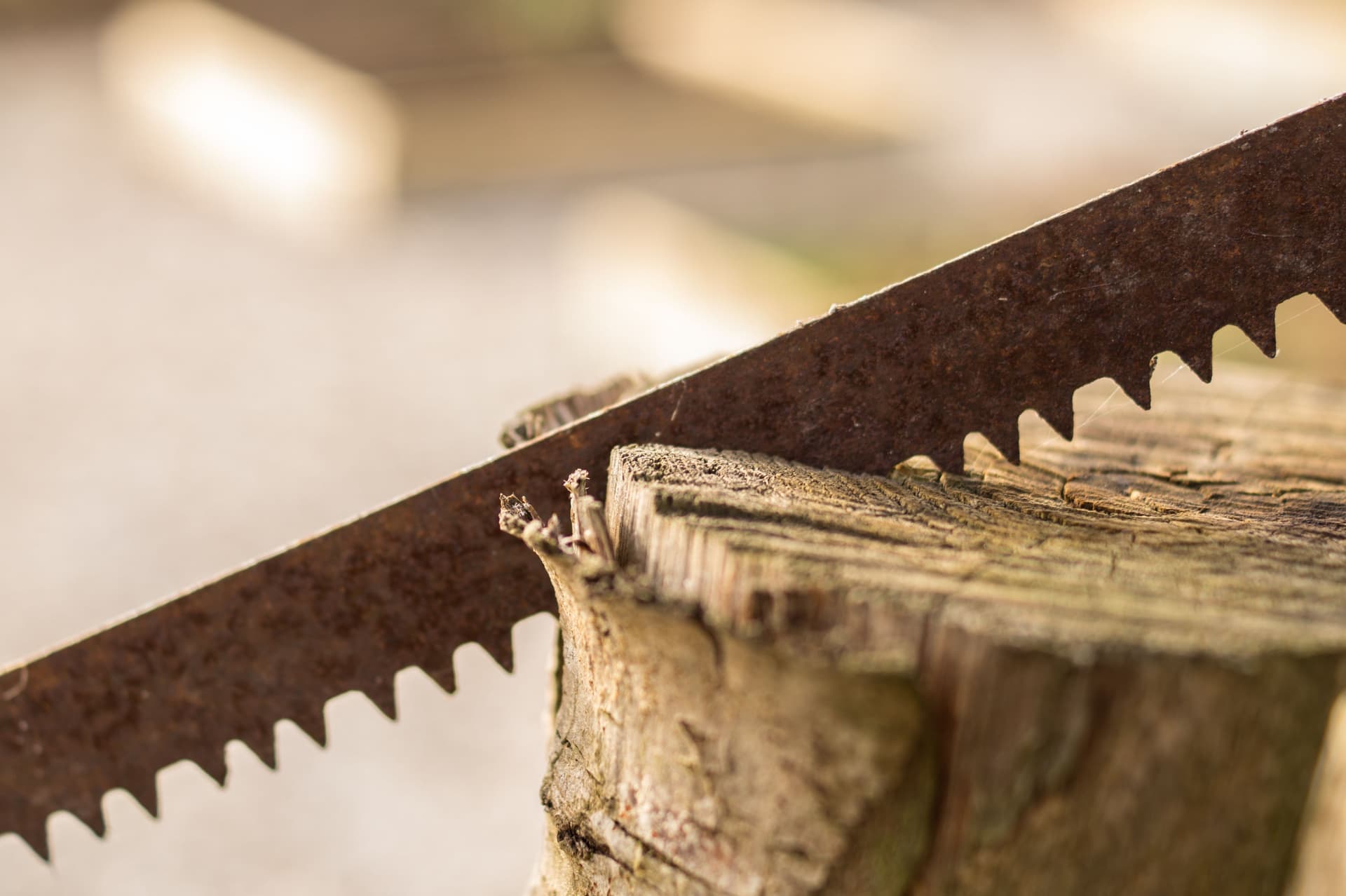
Hand saws are where the buy-it-for-life position gets genuinely uncomfortable, and it is worth saying so at the top of the hub rather than burying it. The saws that cut best for the money in 2026 are Japanese pull saws with impulse-hardened, replaceable blades. The teeth are harder than a file, which is what makes them cut so cleanly for so long — and it is also what makes them unsharpenable. When the blade is done you buy a blade, not a saw. That is a consumable model, and a consumable model is not the same thing as a tool that lasts forever.
The counter-argument is real too. A traditional western backsaw with filed teeth can be resharpened indefinitely by anyone willing to learn to file, and a saw plate from the nineteenth century that has been looked after is still a working tool. That is a genuine lifetime purchase. It is also a purchase that comes with an obligation: a saw you cannot sharpen is a saw that cuts badly forever, and most people who buy a resharpenable saw never learn to sharpen it. We wrote how to sharpen a hand saw precisely so that decision is made with the work in view.
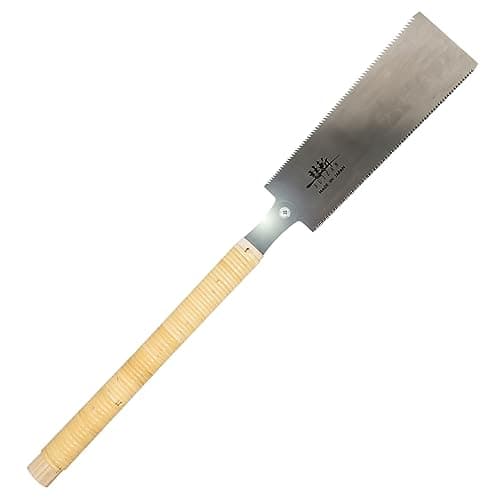
A western saw cuts on the push stroke, which puts the blade in compression and requires it to be thick enough not to buckle. A Japanese saw cuts on the pull stroke, which puts the blade in tension and lets it be much thinner. Thinner blade, narrower kerf, less wood removed, less force needed, and a cleaner cut — that is the whole mechanism, and it is why pull saws feel so much better to a beginner. The trade is control: a thin blade wanders more readily if you steer it, and a kinked one is scrap. Japanese versus western saws goes through it properly.
Saw teeth are either rip-filed (chisel-shaped, cutting with the grain) or crosscut-filed (knife-shaped, severing fibers across the grain). Using the wrong one is the single most common reason a saw feels bad, and it has nothing to do with quality. The second number is TPI — teeth per inch. More teeth means a slower, smoother, more controllable cut and a narrower kerf; fewer teeth means a faster, rougher one. Dovetails want a lot of fine rip teeth; breaking down a board wants few coarse ones. Both are covered in rip versus crosscut and saw TPI explained.
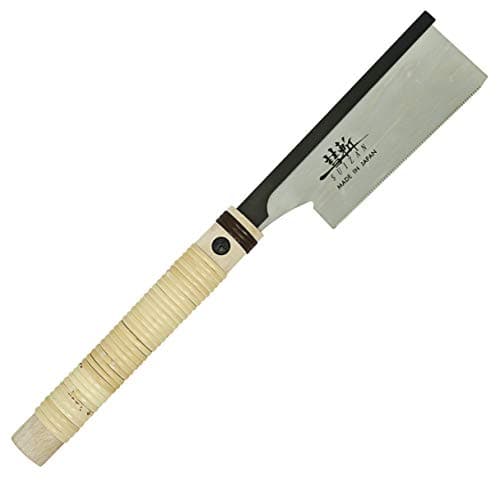
A ryoba is the elegant solution to owning both: rip teeth on one edge, crosscut on the other, one saw. A dozuki is the Japanese dovetail saw — a stiffened back over a very thin crosscut plate, and the best joinery saw most people will ever use. The difference between them, and when each is wrong, is on ryoba versus dozuki.
Rather than pretend it away, the rebuy-risk rating on this hub does the work. A saw with a replaceable blade that is actually purchasable scores differently from one whose blade is unobtainable, and both score differently from a filed saw you can resharpen forever. The cost-per-decade figure uses the same cited-evidence horizon as everywhere else on the site, so a cheap saw that needs three blades over its life and an expensive one that needs none land on comparable numbers. The arithmetic is on cost per decade.
Start with the main roundup if you want one saw that does most things, best dovetail saws if you are cutting joinery, best tenon saws if you are cutting mortise-and-tenon joints and want a brass-backed saw you can file forever, and best Japanese saws if you already know you want a pull saw.
Going deeper on technique and types? Try how to cut tenons by hand, get to know the dozuki, the panel saw and the flush cut saw, and keep a pull saw going with how to replace a Japanese saw blade.
One more family sits apart from all of the above, because it does not cut in a straight line. A coping saw holds a thin blade in a sprung frame, which lets it follow a curve and cut a shape out of the middle of a board — and it is the one category on this site where the cutting edge is a commodity, because the 6-1/2 in pin-end blade is an industry standard that fits every frame ever made. That inverts the usual question: the blade costs nothing, so the frame is the entire purchase. The best coping saws ranks seven frames on throat depth, tension mechanism and published warranty, and explains why the deepest throat here costs less than a third of the stiffest frame.
Start here
Every list below carries a live price and the cost-per-decade arithmetic next to each tool. Where the best tool in a class is one we earn nothing on, it is still in the list.
Best Hand Saw
Seven saws ranked on cut quality and renewability, with the cost-per-decade math. Includes an honest reckoning with impulse-hardened teeth.
Best Dovetail Saw
Six joinery saws ranked on kerf, control and whether the teeth can be renewed. The cheapest one here cuts a cleaner joint than most backsaws.
Best Japanese Saw
Six pull saws ranked on cut quality and replacement blade availability, with the cost-per-decade math and how to avoid kinking a thin plate.
Best Tenon Saw
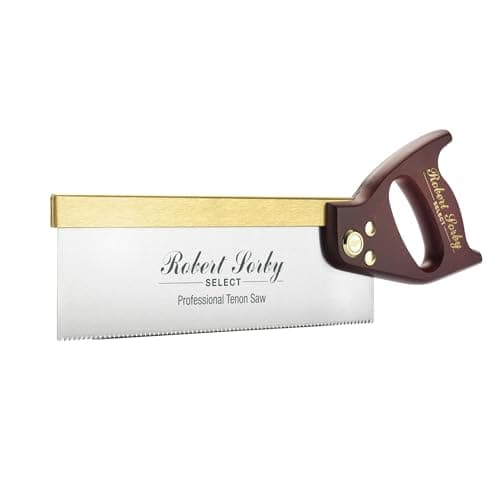
Seven brass-backed backsaws ranked on renewability first — resharpenable teeth, a removable handle, a published spec sheet. Includes the one saw here that cannot be sharpened, and why it is ranked last.
Our pick · Robert Sorby Select Professional Tenon Saw, 12 in 13 PPI
#ad· we may earn a commission
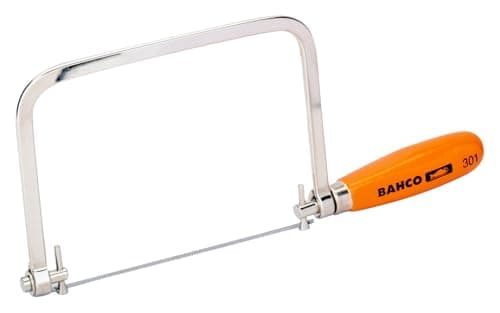
Best Coping Saw
Seven curve-cutting frames ranked on throat depth, tension mechanism and published warranty rather than on the blade — because a 6-1/2 in pin-end blade fits all of them and costs a couple of dollars.
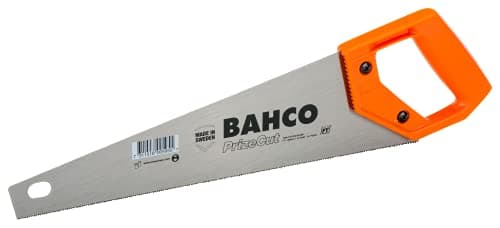
Best Saw for Framing Lumber
Five saws ranked for crosscutting and ripping construction lumber: hardpoint western saws, a timber saw and two ryobas, with published TPI, length and the honest note on unsharpenable teeth.

Best Trim Saw
Five fine-toothed saws for trim and molding: a US-supported pull saw, two dozuki backsaws, a Sheffield gents saw and a coping saw for coped inside corners, with published specs and live prices.
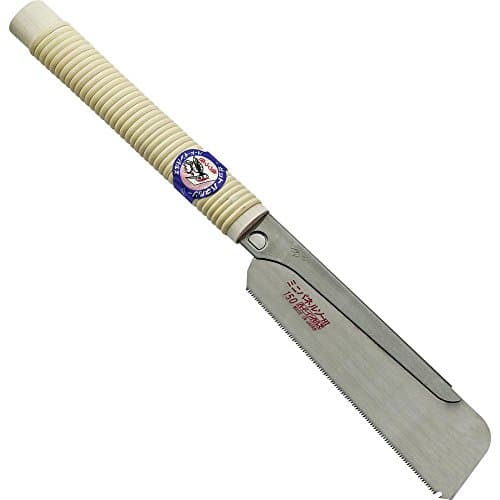
Best Saw for Sheet Goods
Seven saws ranked for plywood, MDF, melamine and veneered panel on published TPI and tooth set, including the flush-cut saw for edge banding and the only saw here sold for laminate.
If you're deciding between two
The comparisons that come up over and over, answered with the specification differences that actually change what the tool does.
Head to head
Why pull saws cut better for the money, what push saws still do better, and the trade that decides it: replaceable blades versus filed teeth.
Head to head
What each saw type physically does, why a back limits depth, and which two or three actually cover the work most people do.
Head to head
Double-edged versus backed, depth versus accuracy. Which Japanese saw to buy first, and why owning both is not redundant.
Head to head
Two backed saws for two scales of joinery: how plate depth, tooth count and filing differ, which joints each suits, and whether you need both.
Head to head
Both are thin blades in a frame, but not the same tool: how frame depth, blade tension and blade type decide which cuts tight curves and which clears dovetail waste.
The mechanism
Why the tool works the way it does, and what to do with it once you own it. No affiliate links are required to read any of these.
Guide
How rip and crosscut teeth are filed differently, what each does to the fibers, and why using the wrong one is the most common saw complaint.
Guide
What TPI and PPI mean, why more teeth is slower and cleaner, and the tooth counts to want for stock breakdown, joinery and dovetails.
Guide
The four stages of saw sharpening, which saws can be sharpened at all, what you need, and an honest estimate of the learning curve.
Guide
How to start the kerf cleanly, keep your eye over the cut, use light strokes and track to a line, plus the beginner errors to stop making.
Guide
Cutting dovetails by hand from marking to fit: gauge and knife lines, tails-first sawing to the line, chopping and paring the waste, then dialing in the joint.
Guide
A backsaw is a stiffening spine over a thin plate: what the back does, the dovetail-carcass-tenon-gents family, why it limits depth, and brass versus steel.
Guide
A plain framework for choosing a hand saw by task, tooth count, rip-or-crosscut and western-versus-Japanese, with a budget guide and a confident first-saw pick.
Guide
A single-edged, backless Japanese pull saw for deep, accurate cuts: how it differs from a ryoba and dozuki, its replaceable impulse-hardened blades, and when it wins.
Guide
How to lay out, saw and pare a mortise-and-tenon joint by hand, from knife lines to a snug fit that outlasts the glue holding it.
Guide
What a flush cut saw is, why its teeth have no set, and how to trim dowels, plugs and proud tenons level without marking the wood around them.
Guide
What a panel saw is, how its size and filing sit between a full handsaw and a backsaw, and why it is the handsaw most people reach for.
Guide
How the Japanese replaceable-blade system works and how to swap a worn blade on a ryoba, dozuki or kataba in a matter of seconds.
Guide
What a dozuki saw is, how its spine and thin kerf make it a precision joinery saw, and how it compares to a ryoba and a Western backsaw.
Guide
How to identify the rip and crosscut edges of a ryoba, which one to use for a given cut, why Japanese saws cut on the pull stroke, and the three ryobas worth owning.
Guide
What a magnetic dovetail guide does, where it genuinely helps, the two things it cannot fix, how to make one from scrap in twenty minutes, and the saws it works with.
Guide
Every Japanese saw pattern worth knowing, what each one is for, why pulling lets the plate be thinner than any western saw, and the four saws that cover the family.
The rest of the workshop