Eight tools for someone who has just started, in the order they will need them. Each one is the version we would tell them to buy, at the price a gift budget can reach.
We earn a commission when you buy through our Amazon links, at no extra cost to you. It never decides a ranking, and where the best tool in a class is one we earn nothing on, we say so and link it anyway. How this works.
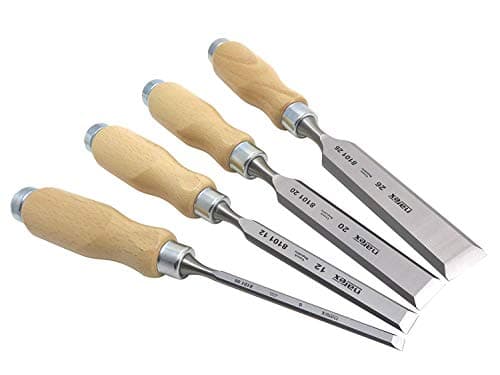
The set that makes the case for this whole site. Four sizes, Czech chrome-vanadium hardened properly, beech handles, and a price that leaves budget for the stone you will need anyway.
Rip teeth on one edge, crosscut on the other, a plate thin enough to cut with almost no force, and a maker who actually sells replacement blades. That last point is why it rates as well as it does.
The default first waterstone worldwide. A working edge on one side, a polishing edge on the other, a base to stop it sliding, and a price that removes every excuse not to own one.
An Eclipse-pattern side clamp for under twenty dollars. It sets the same geometry the expensive guides do, less conveniently, and that is the whole difference.
The guide that makes the case against expensive guides
A Bedrock-pattern frog on a ductile cast body at roughly half the price of the premium options. The frog design is the meaningful part: it beds the iron along its full length, which is what kills chatter.
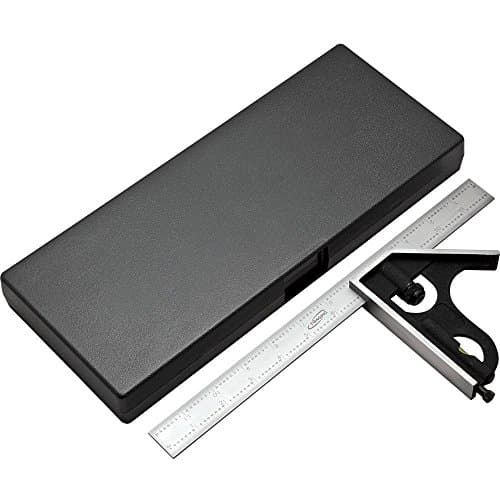
Machinist construction at a woodworking price: a hardened, precision-ground and lapped cast head on a chrome-plated etched blade with 4R graduations in 8ths, 16ths, 32nds and 64ths. It does everything a combination square is supposed to do, and the reason it is not ranked first is that nobody publishes what it is accurate to.
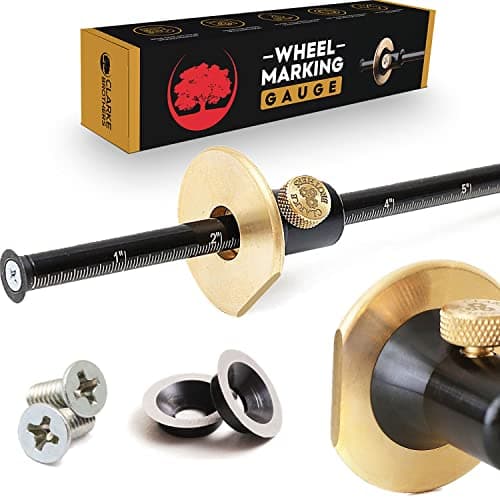
A wheel gauge severs the fibers instead of tearing them, which is why a knife line from one is so much cleaner than a pin gauge's scratch. The spare cutters are the reason it rates well here.
#ad· Live prices from the Amazon Product API, as of Sep 13, 2026. Where we have no verified live price we show none, and the cost-per-decade figure is suppressed with it — we would rather leave a gap than print a number that has rotted.
A beginner is the easiest woodworker to buy for and the easiest to buy badly for. Easy, because they do not yet own the basics, so almost anything on this page fills a real gap. Badly, because the beginner aisle is full of eight-piece chisel sets with a free stone and guide that teach someone what a bad tool feels like and then get replaced. The person who buys that set buys chisels twice. This page exists so they buy them once.
The eight tools below are the ones a new hand-tool woodworker will need, in roughly the order they will need them, and each is the version we would tell them to buy for themselves. Every pick already ranks on one of our category pages; several are that page's number one. Prices are live on each card, and the whole list is deliberately short enough that a family could buy it between them and hand over a working bench.
How we picked these, for a gifter
The list is the buy-it-for-life starter kit reshaped for a present: the same logic, a smaller set, and each item written up for someone who does not know what a marking gauge is. The filter is day-one usefulness plus low rebuy risk: a tool they will use on their first project and not replace when they get better. Where the honest answer is “buy the cheap one now and the good one later”, the page says so.
We have not handled any of these. Every ranking is built from published specifications, the makers' own documents, warranty terms and owner findings, and the write-ups say so.
The picks, in the order they will need them
1. Narex four-piece chisels. The chisels we rank first on the site, at a price that leaves money for the stone. Why it lands: a chisel is the first tool a beginner uses on real joinery and the one most beginner sets get wrong. Check before buying: that they have not already bought a set. If they own a bad one, this is still the right gift; if they own a good one, move down the list.
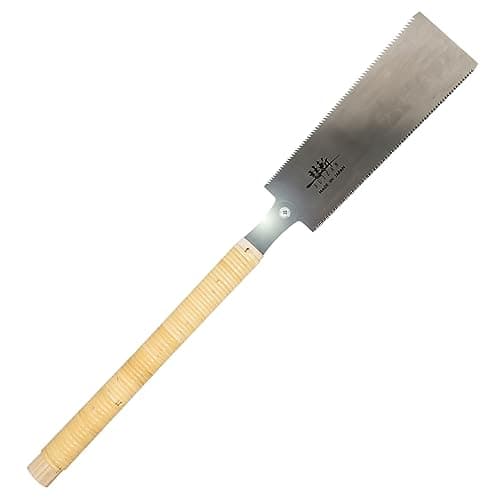
2. SUIZAN 9.5-inch ryoba. Our best hand saw overall: a Japanese pull saw with rip and crosscut teeth on its two edges. Why it lands: a beginner struggling with a hardware-store saw will cut straighter with this in the first ten minutes. Check before buying: nothing; a beginner almost never owns one.
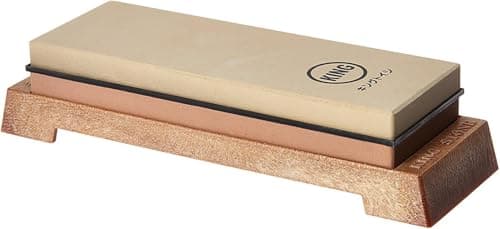
3. King 1000/6000 combination stone. The first waterstone for most of the world. Why it lands: sharp tools are the difference between a beginner who keeps going and one who quits, and a stone is the thing they put off. Check before buying: it needs a flattening stone eventually; the sharpening starter kit lists one.
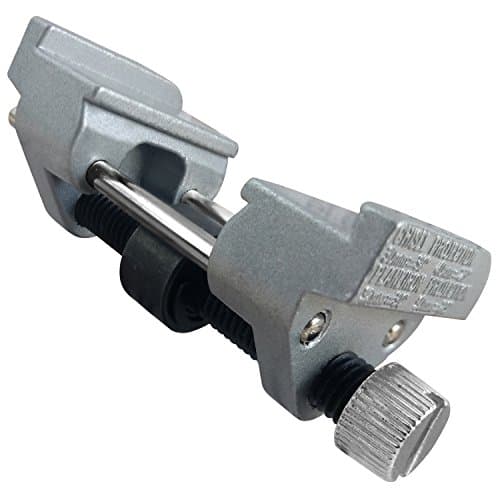
4. Eclipse-style honing guide. The under-$20 guide that holds a chisel at a fixed angle on the stone. Why it lands: it is what lets a beginner get a repeatable edge on day one instead of month three. Check before buying: nothing. It goes with the stone. The expensive Veritas guide is a fine gift for later, and the under-$150 list explains when.
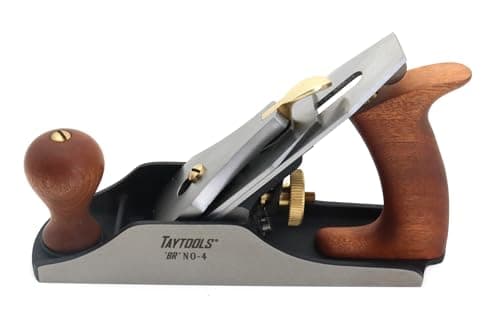
5. Taytools Bedrock-style No. 4 plane. Our best first plane: proper casting, a frog that beds the iron fully, half the price of the premium makers. Why it lands: a plane is the tool that makes someone fall in love with hand-tool work, and this is the first one worth owning. Check before buying: this is the one pick on the page that is a risk if they already own a plane. For a true beginner it is the biggest single upgrade on the list; for anyone else, ask what they have. And note honestly that Taytools publishes no warranty; the tool is here on its merits.
6. iGaging 12-inch combination square. A machinist-construction square at a woodworking price. Why it lands:a beginner's joints do not fit because their square is not square, and this fixes it. Check before buying: nothing. Everyone needs one and most beginners own a bad one.
7. Wheel marking gauge. Scribes a clean line at a set distance from an edge, which is where every joint starts. Why it lands: it is the tool that makes hand-cut joinery accurate, and beginners do not know they need it. Check before buying: nothing.
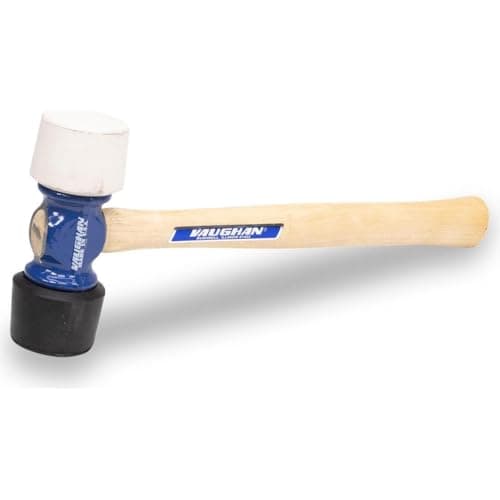
8. Vaughan soft-face mallet. For driving a chisel without splitting its handle; US-made, which is unusual at the price. Why it lands: a beginner hitting chisels with a hammer ruins the chisels. Check before buying: that the chisels you are giving have wooden handles; the Narex do, and this is the mallet for them.
What we left off
No all-in-one beginner kit, for the reason in the first paragraph. No dovetail saw yet; the ryoba covers a beginner's cuts and the dovetail sawis the second saw, not the first. No block plane, which is genuinely useful but comes after the bench plane. And no Japanese chisels: a laminated edge punishes a beginner's sharpening and the Japanese chisels page says to start western.
Every pick, in full
The write-ups
01Best chisels overall, and the end of the argument
Set
4 pieces
Steel
Cr-Mn / Cr-V, hardened
Handles
Beech, tanged
Warranty
Not published by the maker
Narex Bevel Edge Chisel Set, 4 Piece
Narex
8.4/10
The set that makes the case for this whole site. Four sizes, Czech chrome-vanadium hardened properly, beech handles, and a price that leaves budget for the stone you will need anyway.
Cost per decade
$24.50
Horizon · tier C
20 years — No lifetime warranty; parts purchasable and resharpenable
A UK specialist retailer states a lifetime guarantee on Narex chisels; we could not find published warranty terms from Narex itself, so we do not rate it tier A. Unhandled blade blanks are sold separately, and the tool is resharpenable indefinitely.
Rebuy risk
Medium
parts listed, resharpenable
Steel & edge
8.5
Back flatness
8.0
Handle
7.5
Sizes covered
8.5
Value
9.5
What it gets right
+Edge retention indistinguishable from sets at four times the price in normal use
+Backs are flat enough that lapping is a job, not an ordeal
+Four sizes is genuinely the number most people use
+Nothing on the tool is consumable: sharpening renews it indefinitely
What it costs you
−Narex publishes no warranty terms we could find, so it cannot rate tier A
−Lacquer on the handles is functional rather than lovely
−Side lands are thicker than a dedicated dovetail chisel's
Skip this if…
…you cut a lot of tight dovetails. The side lands will bruise the pins; buy a dedicated dovetail chisel for those and keep these for everything else.
Rip teeth on one edge, crosscut on the other, a plate thin enough to cut with almost no force, and a maker who actually sells replacement blades. That last point is why it rates as well as it does.
Cost per decade
$24.90
Horizon · tier C
20 years — No lifetime warranty; parts purchasable and resharpenable
The teeth are impulse-hardened and cannot be filed, so the blade is a consumable — but the maker sells replacement blades directly for this model. The handle and spine are the durable part; the blade is a scheduled purchase, not a failure.
Rebuy risk
High
parts listed
Cut quality
9.5
Blade life
8.0
Control
8.0
Renewability
8.0
Value
9.0
What it gets right
+Two saws in one, and both edges are good rather than compromised
+SUIZAN sells replacement blades directly, so the handle is the lasting purchase
+Thin kerf means less wood removed and much less effort
What it costs you
−Impulse-hardened teeth cannot be filed; when they go, you buy a blade
−The blade warranty stated on the replacement blades is one month
−A thin plate kinks if you force or twist it
Skip this if…
…your definition of buy-it-for-life excludes consumables. A ryoba is a handle plus a scheduled blade purchase, and no amount of framing changes that.
The default first waterstone worldwide. A working edge on one side, a polishing edge on the other, a base to stop it sliding, and a price that removes every excuse not to own one.
Cost per decade
$14.00
Horizon · tier C
20 years — No lifetime warranty; parts purchasable and resharpenable
A waterstone is its own consumable: the binder releases spent abrasive, which is why it cuts fast and why it dishes. Rated on realistic service life for occasional workshop use with periodic flattening, not on a warranty — none is published.
Rebuy risk
Medium
parts listed, resharpenable
Cut rate
8.0
Maintenance
6.0
Finish
8.5
Longevity
7.0
Value
9.5
What it gets right
+Two grits in one block covers the whole normal sharpening cycle
+Cheapest credible entry into real sharpening
+Forgiving of imperfect technique in a way harder stones are not
What it costs you
−Dishes quickly and genuinely needs regular flattening
−Needs soaking before use, which is a real friction point
−The 6000 side wears fastest, which is the side you want to keep
Skip this if…
…you will not buy a flattening stone with it. A dished waterstone puts a curved bevel on everything you own.
04The guide that makes the case against expensive guides
Type
Eclipse-pattern side clamp
Chisel capacity
1/8 to 1-7/8 in
Plane blade capacity
1-3/8 to 3-1/8 in
Warranty
Not published
Atlin Honing Guide, Eclipse Pattern
Atlin
7.8/10
An Eclipse-pattern side clamp for under twenty dollars. It sets the same geometry the expensive guides do, less conveniently, and that is the whole difference.
Cost per decade
$17.99
Horizon · tier D
10 years — No warranty and no parts availability found
No warranty terms and no replacement-parts listing found at the date checked. A budget jig with cast or stamped components; there is nothing published to support a longer horizon.
Rebuy risk
High
none of the three met
Cut rate
8.0
Maintenance
7.0
Finish
8.5
Longevity
6.0
Value
9.5
What it gets right
+Produces a correct, repeatable bevel from the first attempt
+Cheap enough that there is no reason to sharpen freehand while learning
+Wide enough jaws for plane irons as well as chisels
What it costs you
−Setting projection needs a separate jig or a marked block
−Narrow chisels can rock in the jaws if you are careless
−No micro-bevel mechanism
Skip this if…
…you sharpen daily. The time the Veritas saves adds up at that frequency; at weekend frequency it does not.
A Bedrock-pattern frog on a ductile cast body at roughly half the price of the premium options. The frog design is the meaningful part: it beds the iron along its full length, which is what kills chatter.
Cost per decade
$59.99
Horizon · tier C
20 years — No lifetime warranty; parts purchasable and resharpenable
No lifetime warranty published at the date checked. The iron is a standard Bailey-pattern size, so aftermarket replacements from third-party makers are purchasable, and the body is a casting with no consumable part.
Rebuy risk
Medium
parts listed, resharpenable
Sole & body
8.5
Iron & edge
7.5
Adjustment
8.5
Out of box
7.5
Parts & repair
7.0
Value
9.0
What it gets right
+Bedrock frog geometry is the feature people pay a premium for elsewhere
+Sides lapped square, so it works on a shooting board out of the box
+Ductile iron body is less brittle than gray cast if it gets dropped
What it costs you
−No published warranty terms we could find, so it rates tier C not tier A
−Iron benefits from immediate honing; the factory grind is a shape, not an edge
−Brand has far less parts history behind it than Stanley
Skip this if…
…you want a documented lifetime warranty to point at. The tool is good; the paperwork behind it is not.
Hardened and precision ground, lapped measuring faces
Blade
Chrome plated and etched
Accuracy
Not published on the pages we could reach
iGaging Combination Square, Premium 2 Piece, 12 in 4R
iGaging
8.3/10
Machinist construction at a woodworking price: a hardened, precision-ground and lapped cast head on a chrome-plated etched blade with 4R graduations in 8ths, 16ths, 32nds and 64ths. It does everything a combination square is supposed to do, and the reason it is not ranked first is that nobody publishes what it is accurate to.
Cost per decade
$22.89
Horizon · tier C
20 years — No lifetime warranty; parts purchasable and resharpenable
No lifetime warranty published at the date checked. A marking or measuring tool with no cutting edge; the wear part, where there is one, is a replaceable cutter that the maker lists.
Rebuy risk
High
parts listed
Effectiveness
8.5
Handling
8.0
Coverage
8.0
Value
8.5
What it gets right
+Hardened, precision-ground head with lapped measuring faces, which is machinist practice rather than hardware-store practice
+4R graduations are the right scale for joinery layout, and etched marks do not wear off like printed ones
+The sliding head does depth-setting, 45 degrees and edge-marking, so one tool covers four jobs
+Ships in a fitted case, which is how a square stays square
What it costs you
−No accuracy tolerance published anywhere we could find, which is the whole reason it is not our top pick
−Chrome plating reduces glare and hides wear; it is a finish, not a hardness claim
−No published warranty terms
−A cast head can be knocked out of true, and you will not know unless you check it
Skip this if…
…the square is going to be your shop reference. A reference has to be checkable against something, and a tool with no published tolerance cannot be that something.
Price as of Sep 13, 2026. Prices move; Amazon's is the one that counts.
#ad · we may earn a commission from this link to iGaging Combination Square, Premium 2 Piece, 12 in 4R
07The layout tool that changes how joints fit
Type
Wheel marking gauge
Cutter
Replaceable wheel, 2 spares included
Body
Brass and hardwood
Warranty
Not published
Clarke Brothers Wheel Marking Gauge with Spare Cutters
Clarke Brothers
8.5/10
A wheel gauge severs the fibers instead of tearing them, which is why a knife line from one is so much cleaner than a pin gauge's scratch. The spare cutters are the reason it rates well here.
Cost per decade
$12.40
Horizon · tier C
20 years — No lifetime warranty; parts purchasable and resharpenable
No lifetime warranty published at the date checked. A marking or measuring tool with no cutting edge; the wear part, where there is one, is a replaceable cutter that the maker lists.
Rebuy risk
High
parts listed
Effectiveness
8.5
Handling
8.5
Coverage
8.0
Value
9.0
What it gets right
+Cuts fibers rather than tearing them, so the line is crisp
+Replacement cutters are included and available separately
+Brass fence slides without binding
What it costs you
−The wheel does eventually dull and is a consumable
−Locking thumbscrew is the weak point on gauges at this price
−No published warranty
Skip this if…
…you already own a good pin gauge and only mark softwood. The difference shows up in hardwood.
Price as of Sep 13, 2026. Prices move; Amazon's is the one that counts.
#ad · we may earn a commission from this link to Clarke Brothers Wheel Marking Gauge with Spare Cutters
08Driving a chisel without destroying the handle
Weight
24 oz
Face
Soft, replaceable
Origin
Vaughan publishes made in USA, global materials
Use
Chisel work and assembly
Vaughan Soft Face Mallet, 24 oz
Vaughan
8.3/10
A soft face transfers the blow without splitting a wooden handle or bouncing. Vaughan publishes US manufacture, which is unusual at this price.
Cost per decade
$25.00
Horizon · tier C
20 years — No lifetime warranty; parts purchasable and resharpenable
No lifetime warranty published for this item at the date checked. The striking face is the wear part; on this pattern it is replaceable, and the head and handle are not consumables.
Rebuy risk
High
parts listed
Effectiveness
8.5
Handling
8.0
Coverage
8.0
Value
8.5
What it gets right
+Does not split wooden chisel handles the way a steel hammer does
+Faces are replaceable, so the tool outlasts them
+Vaughan publishes US manufacture with global materials
What it costs you
−24 oz is heavy for delicate paring work
−Soft faces do wear and need replacing
−No published lifetime warranty
Skip this if…
…your chisels have steel strike caps. Then a steel hammer is fine and gives better feedback.
The Narex chisels. They are the number-one pick on the site, they are what a beginner uses first, and they are the tool beginner kits get most wrong. Add the stone and guide if the budget stretches, because chisels without a way to sharpen them go dull in a week and stay dull.
Buying the whole list
Bought together, the eight tools here are a working hand-tool bench for someone starting out, and the cards above add up to what that costs today. None of them is a tool the recipient will replace when they get better, which is the argument for buying the basics once and well: the premium plane, when it comes, is then the only thing left to buy.
What to do about the plane
If the recipient is a true beginner — no plane at all — the Taytools No. 4 is the single biggest upgrade on the page and a safe gift. If they have any plane, find out which; a second No. 4 is the wrong present, and a block plane or the low-angle jack may be the right one. The plane is the only pick on this page where that question matters.
Where to send them next
A gift that includes a printed link to how to sharpen a chisel and how to set up a hand plane is worth more than the tools alone. Neither page sells anything; both are the pages a beginner needs the week after the gift.
Questions
Frequently asked
What is the best gift for a beginner woodworker?+
The Narex four-piece chisel set, with the King combination stone and the Eclipse-style honing guide if the budget allows. Chisels are the first tool a beginner uses on real joinery, and the stone and guide are what keep them usable.
Should I buy a beginner an all-in-one woodworking tool kit?+
No. The beginner kits pad two adequate tools with several poor ones and a stone and guide that do not work well, and the recipient ends up buying chisels twice. The eight tools on this page, bought singly, cost about the same as a premium plane and do not get replaced.
What hand tools does a beginner woodworker need first?+
Chisels, a saw, a sharpening stone and guide, a bench plane, a square, a marking gauge and a mallet — the eight on this page, in that order. The full reasoning, with the optional additions, is on the buy-it-for-life starter kit.
Is a hand plane a good gift for a beginner?+
If they own no plane, yes: the Taytools No. 4 is the biggest single upgrade on the list. If they already own one, ask which before buying; a second smoothing plane is the wrong present.
Are Japanese chisels good for a beginner?+
Not as a first set. A laminated Japanese edge is harder and more brittle than a western chisel and punishes a beginner's sharpening. Start with the Narex, and see the Japanese chisels page when they have a year of sharpening behind them.
We have not handled these tools. Nobody here has tested one, owned one, or taken one apart. Specifications come from the manufacturer or the retailer listing; warranty terms come from the maker's own warranty page; the cost-per-decade arithmetic is ours and reproducible. Where we could not verify a figure we say so on the page rather than quietly leaving it out. Read the full method.