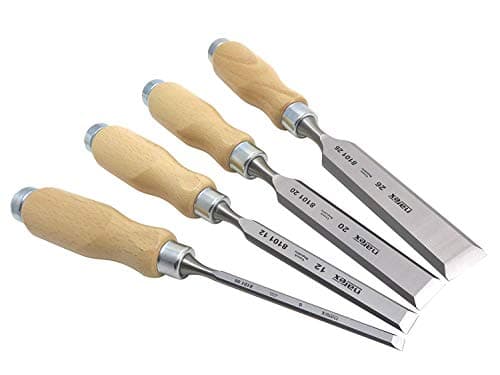
Best Starter Kit
The Buy-It-For-Life Starter Kit
The smallest set of hand tools that will still be working in fifty years, chosen for low rebuy risk rather than low price.
The arithmetic, the warranties, and what actually lasts
Paying more once is only cheaper if the tool actually lasts. This is where we show the working.
We earn a commission when you buy through our Amazon links, at no extra cost to you. It never decides a ranking, and where the best tool in a class is one we earn nothing on, we say so and link it anyway. How this works.
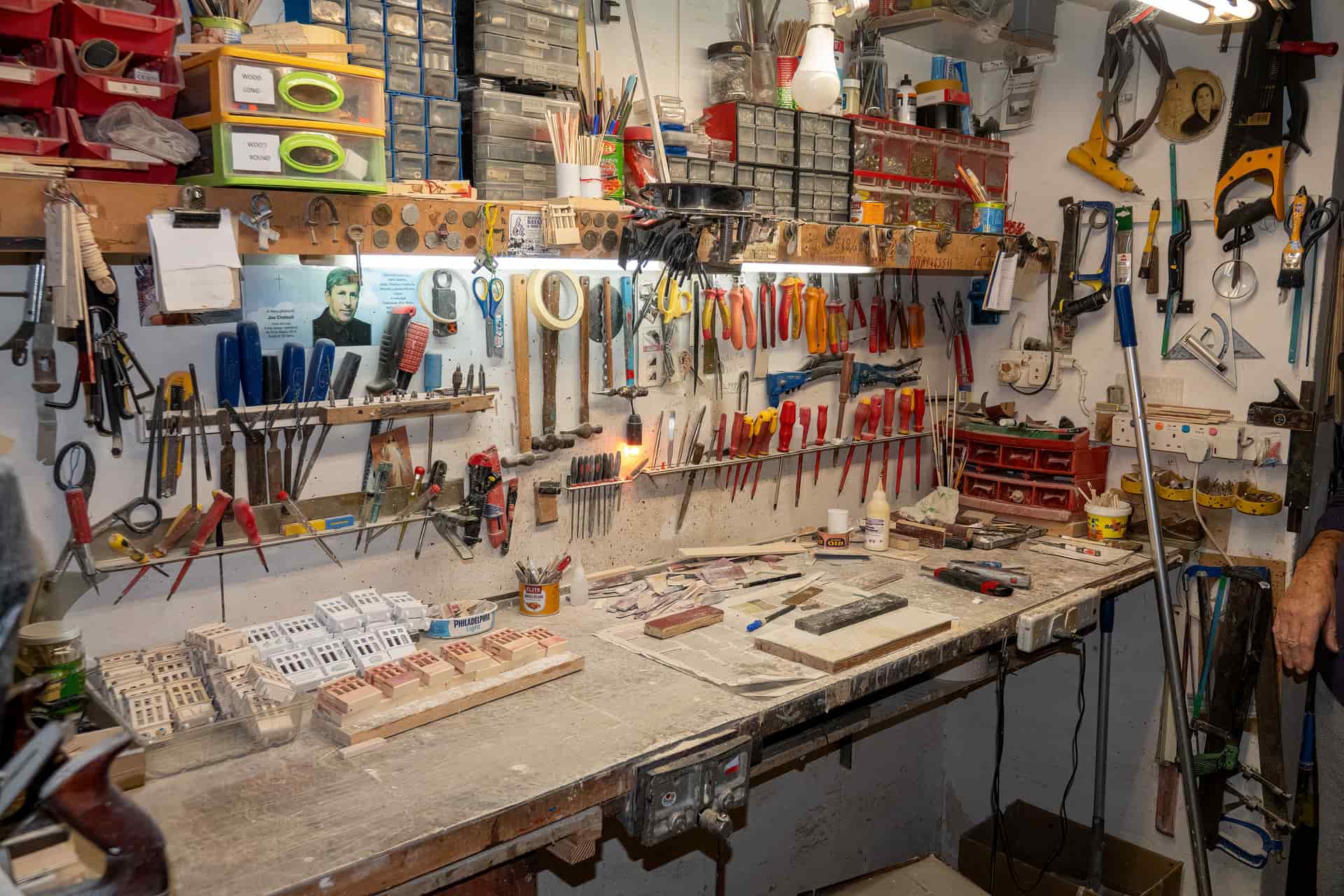
“Buy it for life” is usually a mood rather than a claim. It gets attached to anything expensive and well-made, and it almost never comes with the one thing that would make it checkable: an argument about how long the object actually lasts and what that works out to per year. This hub is the attempt to supply that.
The question a buy-it-for-life buyer is really asking is narrow and answerable: is paying four times as much once cheaper than rebuying? Nobody in this category answers it. Across the competitor pages we fetched while researching this site, not one publishes cost-of-ownership arithmetic, a warranty comparison, or an assessment of whether spare parts can be bought. Those are the three inputs to the decision, and all three are public documents.
We divide the live price by a comparison horizon to get a cost per decade. The horizon is not a prediction about your specific tool — that would be a guess dressed as a number. It is a normalization constant assigned from cited evidence, so that every tool on a page is compared on the same basis. A published lifetime warranty puts a tool in the top tier. A finite stated warranty uses the stated term. No warranty but purchasable spare parts and a resharpenable edge lands in the middle. Nothing found at all sits at the bottom and is flagged as high rebuy risk.
The tier and the document it came from print next to every figure on this site, so the number can be re-derived rather than trusted. The full table, the formula and its limits are on cost per decade.
Reading warranty pages across makers is tedious and revealing in equal measure. The word “lifetime” does a great deal of work in tool marketing and means several different things: the lifetime of the original purchaser, the lifetime of the product line, or a term that quietly excludes anything described as a wear part — which, on an edge tool, is the part that does the cutting. Whether a warranty transfers to a second owner also matters more than it sounds, because it is the difference between a tool that has residual value and one that does not. Warranties and repairability is the table, maker by maker, with what each one is cited to. The sharpest single example of all this is a layout tool: the best woodworking squares ranks seven of them on who publishes an accuracy figure and whose guarantee covers the square going out of true rather than merely arriving broken — and the answer is not the maker everyone names.
Some things genuinely should not be bought for life. Impulse-hardened Japanese saw blades cut better than anything you can resharpen and are designed to be replaced; insisting on a resharpenable saw to satisfy a principle gets you a worse tool. Sandpaper, honing compound and rust remover are consumables and always will be. And a tool you buy for life but never learn to maintain is not a lifetime tool, it is an expensive one. Tools that last a lifetime separates the two lists.
If you want the short version: the starter kit is the smallest set of tools that will still be working in fifty years, chosen for low rebuy risk rather than for price. Made in USA hand tools covers the country-of-origin question with what the listings and makers actually state, rather than what the branding implies. And every tool family on this site routes back through here: planes, chisels, saws, sharpening and restoration.
Two guides underpin the whole idea: what makes a tool buy it for life lays out the tests, and the hand tool maintenance checklist keeps a good tool good.
Start here
Every list below carries a live price and the cost-per-decade arithmetic next to each tool. Where the best tool in a class is one we earn nothing on, it is still in the list.
Best Starter Kit
The smallest set of hand tools that will still be working in fifty years, chosen for low rebuy risk rather than low price.
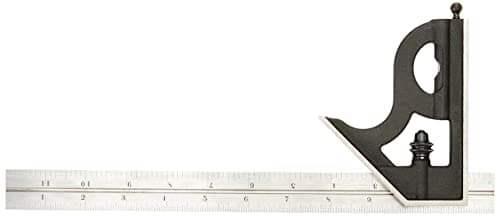
Best US-Made Tools
Six tools whose US manufacture is stated by the maker or the listing, plus an honest note on why country of origin is a weaker quality signal than it looks.
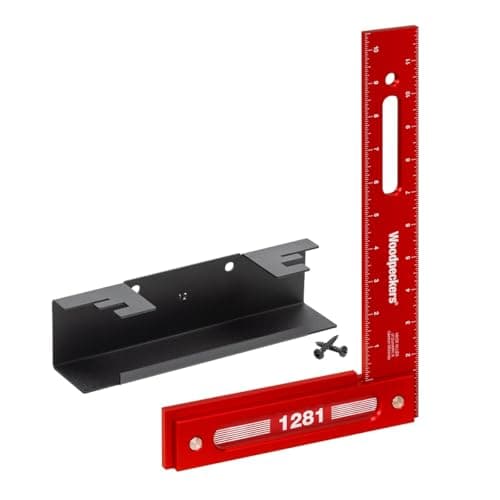
Best Woodworking Square
Seven squares ranked on published accuracy and what the warranty actually covers, including the one maker that guarantees the tool against drifting out of tolerance.
Our pick · Woodpeckers Precision Woodworking Square, 12 in
#ad· we may earn a commission
Best Woodworking Clamp
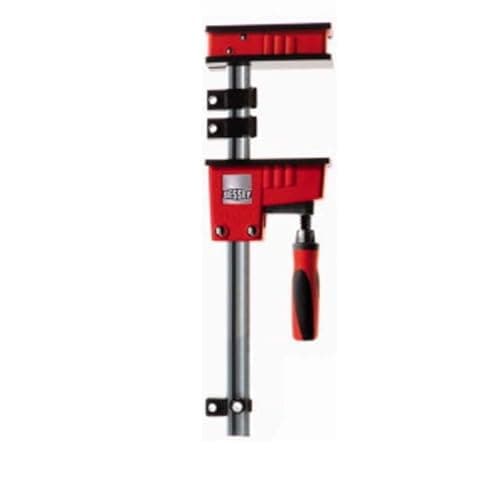
Seven clamps ranked on published clamping force, jaw and bar construction and whether the wear parts are catalog items, including the cheapest one here that is genuinely generational.
Our pick · Bessey KRE3531 K Body REVO Parallel Clamp, 31 in, 2-Pack
#ad· we may earn a commission
Best Documented Maker
Nine hand tool makers ranked on published warranty terms, parts availability and origin rather than reputation, with the one tool worth owning from each.
Our pick · Woodpeckers Precision Woodworking Square, 12 in
#ad· we may earn a commission
Best Woodworking Gift
Hand-tool gifts a woodworker actually wants, chosen for low rebuy risk over novelty, spanning a stocking-filler to an heirloom.
Best Stocking Stuffer
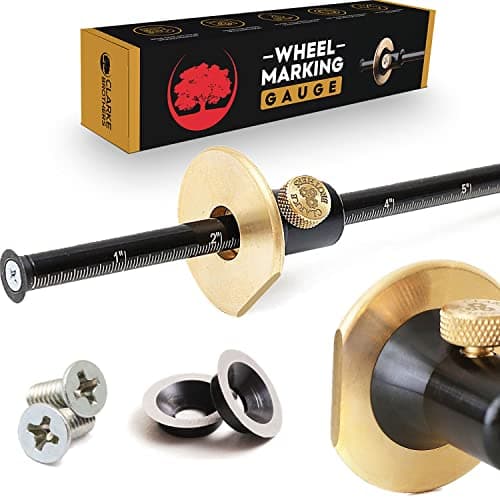
Eight small gifts under $25 a woodworker will actually use, chosen for a gifter who does not know the category. Live prices and what to check.
Our pick · Clarke Brothers Wheel Marking Gauge with Spare Cutters
#ad· we may earn a commission
Best Gift Under $50
Eight gifts under $50 that earn a place on our ranked lists at any price: a chisel set, a Japanese saw, a first stone, a square. Live prices.
Best Gift Under $150
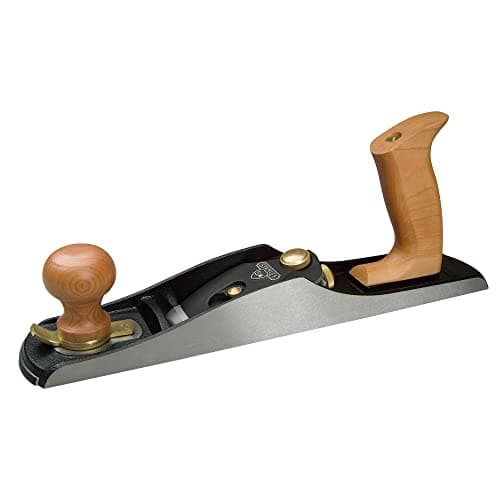
Eight gifts under $150 a woodworker would buy once and keep: a first real bench plane, a precision square, the best honing guide, a diamond plate. Live prices.
Best Beginner Gift
Eight tools for someone just starting hand-tool woodworking, in the order they will need them, each the version we would tell them to buy. Live prices.
Best Heirloom Gift
Eight no-budget gifts built to be handed down, for the woodworker who has everything: a tolerance-guaranteed square, cryo-treated chisels, a Sheffield set under lifetime guarantee. Live prices.
Our pick · Woodpeckers Precision Woodworking Square, 12 in
#ad· we may earn a commission
Black Friday Watchlist
Which hand tools historically discount in November and which never do, buy-now-or-wait by tool class, and our top picks with live prices. Updated when deals go live.
If you're deciding between two
The comparisons that come up over and over, answered with the specification differences that actually change what the tool does.
Head to head
Traditional floor chest, wall-hung cabinet or rolling cabinet compared on access, humidity protection, capacity and cost, and which suits a small shop.
The mechanism
Why the tool works the way it does, and what to do with it once you own it. No affiliate links are required to read any of these.
Guide
The formula behind every figure on this site, the evidence tiers that set the horizon, worked examples, and what the number cannot tell you.
Guide
What each maker actually publishes, what the lifetime warranties exclude, and which brands sell spare parts. Cited, dated, often surprising.

Guide
Which tools genuinely last forever, which are consumables at any price, and why storage decides more than purchase price does.
Guide
Where power tools genuinely win, where hand tools do, and how the two compare over decades on cost, repairability, noise, dust and space.
Guide
Storage decides longevity more than purchase price: humidity control, chests and cabinets, protecting edges, and why an unheated garage kills tools.
Guide
The cheapest honest path to a working hand-tool kit: vintage plus restore, what to spend on and save on, a phased order, and the false economies to skip.
Guide
Which hand tools genuinely become heirlooms and why, what makes a tool inheritable, and how to document provenance so it survives the handover.
Guide
The five plain tests — repairability, a simple mechanism, a renewable edge, lasting parts and support, and honest construction — that decide whether a tool lasts a lifetime.
Guide
A short, repeatable routine — after each use, periodically, and each season — plus a printable checklist that keeps a buy-it-for-life tool working for decades.
The rest of the workshop