We earn a commission when you buy through our Amazon links, at no extra cost to you. It never decides a ranking, and where the best tool in a class is one we earn nothing on, we say so and link it anyway. How this works.
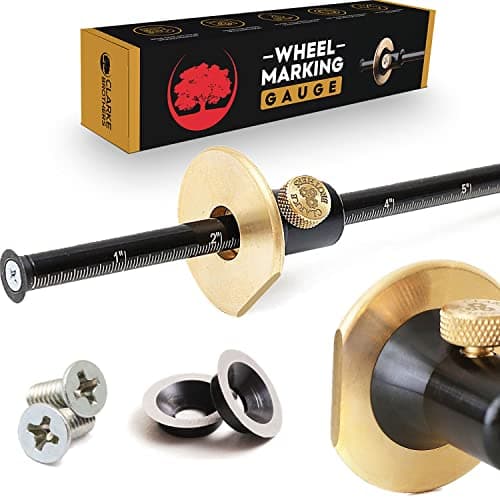
A wheel gauge severs the fibers instead of tearing them, which is why a knife line from one is so much cleaner than a pin gauge's scratch. The spare cutters are the reason it rates well here.
Leather and compound take an edge from sharp to genuinely keen in half a minute, and stropping between sharpenings roughly doubles the interval. The highest return per dollar in this hub.
The last thirty seconds of every sharpening session
An Eclipse-pattern side clamp for under twenty dollars. It sets the same geometry the expensive guides do, less conveniently, and that is the whole difference.
The guide that makes the case against expensive guides
The oil Japanese toolmakers specify for their own tools: non-drying, non-gumming, and it will not ruin a glue joint or a finish the way a petroleum oil can.
The traditional answer, and the one that will not contaminate work
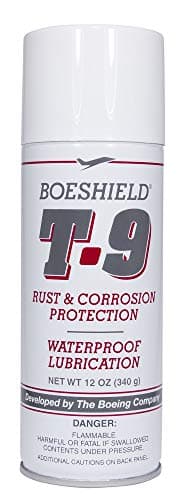
A waxy film that displaces moisture and stays put. Developed for aircraft, adopted by woodworkers because a plane sole treated with it does not rust and still slides.
#ad· Live prices from the Amazon Product API, as of Sep 13, 2026. Where we have no verified live price we show none, and the cost-per-decade figure is suppressed with it — we would rather leave a gap than print a number that has rotted.
The problem with a small gift for a woodworker is that the small things they need are invisible to anyone who does not do the work. Nobody outside the hobby knows that a leather strop is the difference between a chisel that is sharp and one that is frighteningly sharp, or that a two-ounce bottle of camellia oil is what keeps a Japanese saw from rusting in a garage. Those are exactly the things a woodworker means to buy and never gets round to, which makes them the best stocking stuffers there are.
Everything on this list costs under $25 at the live price on the day we wrote it, every item already earns a place on one of our category pages on its own merits, and each one is explained below in plain terms: why it lands, who it suits, and what to check before you click. If the live price on a card has crept over the line since, the card is right and this paragraph is wrong.
How we picked these, for a gifter
A stocking stuffer has one job: it has to be useful without needing to match anything the recipient already owns. So we cut anything size-specific, anything that only fits one brand of tool, and anything that duplicates a thing every woodworker already has three of. What is left is the layer of small tools and supplies that make the expensive tools work — layout, sharpening, protection and a mallet — plus one genuinely useful saw that happens to cost less than a takeout order.
We have not handled any of these ourselves. Every judgment here comes from the published specifications, the maker's own documents and the owner findings we read while building the category pages, and the write-ups below say so in the same words they use everywhere else on the site.
The picks, in gifter language
Wheel marking gauge. A marking gauge scribes a line a fixed distance from the edge of a board, and every joint a woodworker cuts starts with one. The wheel type leaves a clean knife line instead of a scratch, and this one ships with spare cutters, which is the reason it is on the list. Who it suits: anyone, beginner to experienced; a second gauge is always useful because you set one and leave it. Check before buying: nothing, really. It has no size to get wrong.
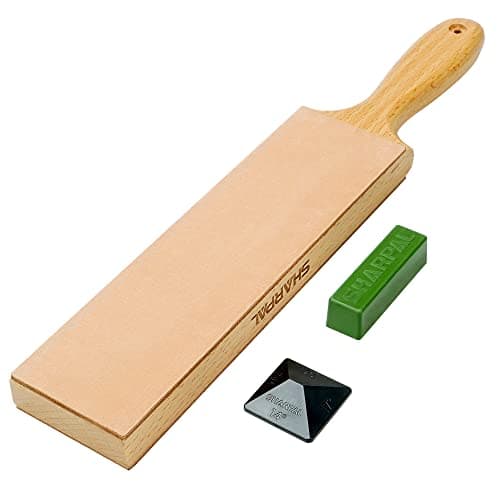
Leather strop kit. A strop is a strip of leather with a fine polishing compound on it, and the last thirty seconds of every sharpening session. It is the highest-return item on the whole sharpening hub and the one most people put off buying. Who it suits: anyone who sharpens their own tools, which is every hand-tool woodworker. Check before buying: that they own at least one sharpening stone. A strop refines an edge; it cannot create one. If they have no stone, see the under-$50 list instead.
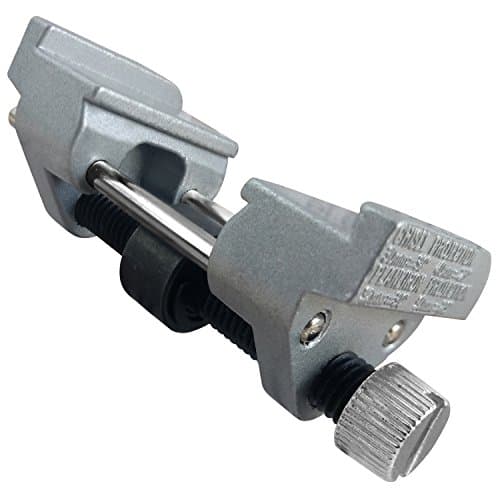
Eclipse-style honing guide. A honing guide holds a chisel or plane iron at a fixed angle on the stone, so the edge comes out the same every time. This is the cheap one, and the argument for it is that it sets the same geometry the expensive one does. Who it suits: a beginner especially, and anyone who sharpens occasionally rather than daily. Check before buying: whether they already use a guide. Someone who sharpens freehand may not want one; someone who owns the Veritas already does not need it.
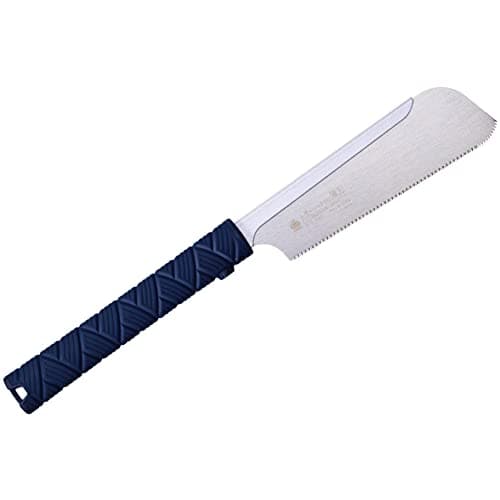
Entry-level dozuki saw. A dozuki is a Japanese fine-toothed saw with a stiffening spine, used for the precise cuts in joinery. Under twenty dollars for a saw that genuinely cuts a clean joint is unusual, and there is no western equivalent at the price. Who it suits: a beginner, or an experienced woodworker who has never tried a Japanese pull saw. Check before buying: that they do not already own a good dozuki. If they do, this becomes a spare, which is not nothing but is not a gift either.
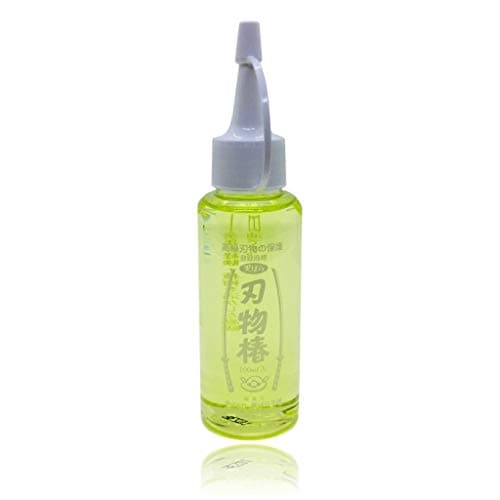
Camellia oil. The traditional Japanese tool oil: a thin coat wiped on steel after use stops rust without gumming or contaminating the wood. This is the bottle that keeps a saw and a set of chisels alive between sessions. Who it suits: anyone whose tools live in a garage, basement or anywhere humid. Check before buying: nothing. It is consumed, so a second bottle is welcome.
Boeshield T-9. The other protection product, for the other situation: a waxy spray film for cast iron and steel that will sit unused for a while. A plane sole treated with it does not rust and still slides. Who it suits: the woodworker with more tools than time, whose planes spend weeks in a drawer. Check before buying: that they are not looking for something food-safe or finish-safe; for that, the camellia oil is the one.
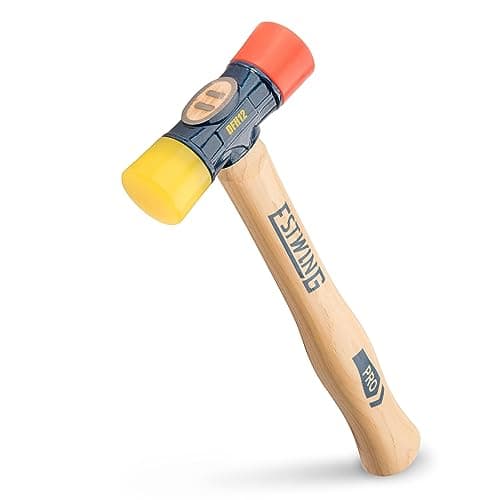
Rubber mallet.For knocking joints together during assembly without marking the wood. Not the mallet for hitting chisels — that is a different tool, on the beginner list — but the one that gets reached for when a glue-up is going together. Who it suits: anyone who builds furniture rather than only carving or turning. Check before buying: whether they already have one. Most do; it is still the one people are happy to have a second of, one at the bench and one at the assembly table.
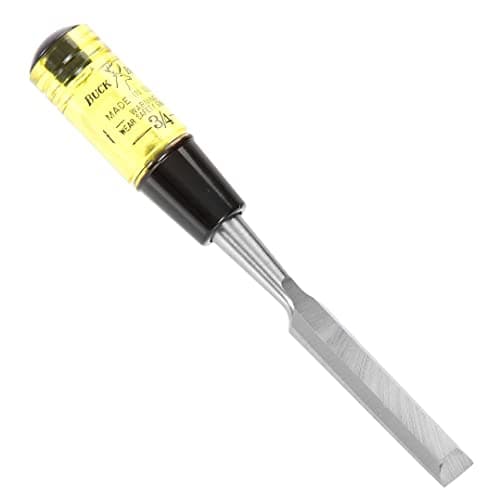
A single US-made chisel. One 3/4-inch bevel-edge chisel whose listing states US manufacture. It is the cheapest domestically made edge tool we found, and 3/4 inch is the width a woodworker reaches for most. Who it suits: someone who cares where things are made, or anyone whose 3/4 chisel is the worn one. Check before buying: that you are not trying to build them a set out of these; buying five singly costs more than a better set.
What we left off, and why
No novelty tape measures, no “woodworker” mugs, no gadget pencils. Nothing wrong with any of them, but they are gifts about woodworking rather than gifts for it, and the person will know the difference. No sandpaper or abrasive pads either — both are on the restoration kit and both are excellent, but they are the sort of thing that reads as a supply run rather than a present. And no individual replacement plane blades, because they are brand- and size-specific and a wrong guess is a useless gift.
Every pick, in full
The write-ups
01The layout tool that changes how joints fit
Type
Wheel marking gauge
Cutter
Replaceable wheel, 2 spares included
Body
Brass and hardwood
Warranty
Not published
Clarke Brothers Wheel Marking Gauge with Spare Cutters
Clarke Brothers
8.5/10
A wheel gauge severs the fibers instead of tearing them, which is why a knife line from one is so much cleaner than a pin gauge's scratch. The spare cutters are the reason it rates well here.
Cost per decade
$12.40
Horizon · tier C
20 years — No lifetime warranty; parts purchasable and resharpenable
No lifetime warranty published at the date checked. A marking or measuring tool with no cutting edge; the wear part, where there is one, is a replaceable cutter that the maker lists.
Rebuy risk
High
parts listed
Effectiveness
8.5
Handling
8.5
Coverage
8.0
Value
9.0
What it gets right
+Cuts fibers rather than tearing them, so the line is crisp
+Replacement cutters are included and available separately
+Brass fence slides without binding
What it costs you
−The wheel does eventually dull and is a consumable
−Locking thumbscrew is the weak point on gauges at this price
−No published warranty
Skip this if…
…you already own a good pin gauge and only mark softwood. The difference shows up in hardwood.
Price as of Sep 13, 2026. Prices move; Amazon's is the one that counts.
#ad · we may earn a commission from this link to Clarke Brothers Wheel Marking Gauge with Spare Cutters
02The last thirty seconds of every sharpening session
Size
13.2 x 2.4 in
Sides
Two, smooth and rough
Includes
Compound
Warranty
Not published
Sharpal 205H Double-Sided Leather Strop Kit
Sharpal
8.8/10
Leather and compound take an edge from sharp to genuinely keen in half a minute, and stropping between sharpenings roughly doubles the interval. The highest return per dollar in this hub.
Cost per decade
$22.99
Horizon · tier D
10 years — No warranty and no parts availability found
This is a consumable, not a tool: it is used up. The horizon is the floor value and the rating below is accurate rather than unkind — you will buy this again, and the cost-per-decade figure is only useful for comparing one consumable against another.
Rebuy risk
High
none of the three met
Effectiveness
9.0
Handling
8.0
Coverage
8.5
Value
9.5
What it gets right
+Turns an adequate edge into a keen one in seconds
+Extends the interval between real sharpening sessions substantially
+Large enough for plane irons, not just knives
What it costs you
−Leather and compound are both consumables over years
−Easy to round over a bevel if you lift the spine
−Not a substitute for a stone when the edge is genuinely dull
Skip this if…
…you have not bought a stone yet. Stropping refines an edge; it cannot create one.
03The guide that makes the case against expensive guides
Type
Eclipse-pattern side clamp
Chisel capacity
1/8 to 1-7/8 in
Plane blade capacity
1-3/8 to 3-1/8 in
Warranty
Not published
Atlin Honing Guide, Eclipse Pattern
Atlin
7.8/10
An Eclipse-pattern side clamp for under twenty dollars. It sets the same geometry the expensive guides do, less conveniently, and that is the whole difference.
Cost per decade
$17.99
Horizon · tier D
10 years — No warranty and no parts availability found
No warranty terms and no replacement-parts listing found at the date checked. A budget jig with cast or stamped components; there is nothing published to support a longer horizon.
Rebuy risk
High
none of the three met
Cut rate
8.0
Maintenance
7.0
Finish
8.5
Longevity
6.0
Value
9.5
What it gets right
+Produces a correct, repeatable bevel from the first attempt
+Cheap enough that there is no reason to sharpen freehand while learning
+Wide enough jaws for plane irons as well as chisels
What it costs you
−Setting projection needs a separate jig or a marked block
−Narrow chisels can rock in the jaws if you are careless
−No micro-bevel mechanism
Skip this if…
…you sharpen daily. The time the Veritas saves adds up at that frequency; at weekend frequency it does not.
04The cheapest saw here that cuts a clean dovetail
Type
Dozuki, backed
Teeth
Fine crosscut, impulse hardened
Model
770-3500
Action
Pull stroke
Gyokucho Razor Dozuki Saw with Blade
Gyokucho
7.5/10
Under twenty dollars for a saw that will cut joinery accurately. There is no comparable western backsaw at this price, and it is not close.
Cost per decade
$18.15
Horizon · tier D
10 years — No warranty and no parts availability found
Impulse-hardened teeth cannot be resharpened, and we could not find a replacement blade listing for this model at the date checked. When the teeth go, the saw goes — which is what the rating below is telling you.
Rebuy risk
High
none of the three met
Cut quality
8.5
Blade life
7.0
Control
8.5
Renewability
4.0
Value
9.5
What it gets right
+Extraordinary value; nothing western competes at this price
+Genuinely accurate for joinery straight out of the packet
+Cheap enough that a kinked plate is annoying rather than expensive
What it costs you
−Handle is basic
−Replacement blade availability for this specific model is patchy in the US
−Not a saw anyone hands down
Skip this if…
…you are buying for life. Buy this to learn on and a better one when you know what you want.
05The traditional answer, and the one that will not contaminate work
Volume
3.4 oz
Type
Pure camellia (tsubaki) oil
Behavior
Non-drying, non-gumming
Use
Blades, irons, saw plates
Kurobara Pure Tsubaki Camellia Oil, 3.4 oz
Kurobara
8.5/10
The oil Japanese toolmakers specify for their own tools: non-drying, non-gumming, and it will not ruin a glue joint or a finish the way a petroleum oil can.
Cost per decade
$8.59
Horizon · tier D
10 years — No warranty and no parts availability found
This is a consumable, not a tool: it is used up. The horizon is the floor value and the rating below is accurate rather than unkind — you will buy this again, and the cost-per-decade figure is only useful for comparing one consumable against another.
Rebuy risk
High
none of the three met
Effectiveness
8.5
Handling
9.5
Coverage
7.5
Value
8.5
What it gets right
+Will not contaminate a glue joint or a finish
+Does not gum up the way old petroleum oils do on stored tools
+A small bottle lasts an extremely long time
What it costs you
−Less durable protection than a waxy film for long-term storage
−More expensive per volume than mineral oil
−Needs reapplying after every serious session
Skip this if…
…the tool is going into a box for five years. Use wax or Boeshield for storage; camellia is for tools in use.
Boeshield T-9 Rust and Corrosion Protection, 12 oz
Boeshield
8.5/10
A waxy film that displaces moisture and stays put. Developed for aircraft, adopted by woodworkers because a plane sole treated with it does not rust and still slides.
Cost per decade
$22.99
Horizon · tier D
10 years — No warranty and no parts availability found
This is a consumable, not a tool: it is used up. The horizon is the floor value and the rating below is accurate rather than unkind — you will buy this again, and the cost-per-decade figure is only useful for comparing one consumable against another.
Rebuy risk
High
none of the three met
Effectiveness
9.0
Handling
7.5
Coverage
9.0
Value
8.5
What it gets right
+Displaces existing moisture rather than sealing it in
+Leaves a genuinely dry film that does not transfer to workpieces
+One can covers a workshop of tools and machine tables
What it costs you
−Aerosol overspray gets everywhere
−Needs reapplying every few months in a damp shop
−Not suitable on a surface that will be finished or glued
Skip this if…
…you need something food-safe or finish-safe. Use camellia oil instead.
Price as of Sep 13, 2026. Prices move; Amazon's is the one that counts.
#ad · we may earn a commission from this link to Boeshield T-9 Rust and Corrosion Protection, 12 oz
07Assembly work where the workpiece must not mark
Head
Rubber
Use
Assembly, seating joints
Handle
Shock-reducing grip
Warranty
Not published for this item
Estwing Rubber Mallet
Estwing
8.0/10
A dead-blow-adjacent rubber mallet for knocking joints together without bruising them. Not a chisel mallet, and better than one for assembly.
Cost per decade
$9.74
Horizon · tier C
20 years — No lifetime warranty; parts purchasable and resharpenable
No lifetime warranty published for this item at the date checked. The striking face is the wear part; on this pattern it is replaceable, and the head and handle are not consumables.
Rebuy risk
High
parts listed
Effectiveness
7.5
Handling
8.5
Coverage
7.0
Value
9.0
What it gets right
+Will not mark a finished or nearly finished surface
+Grip genuinely reduces the shock through the wrist
+Estwing's reputation for handle durability is well earned
What it costs you
−Bounces, which is wrong for chisel work
−Rubber head degrades over years of UV and solvent exposure
−No published warranty terms for this specific item
Skip this if…
…you want one mallet for chisels and assembly. Buy the soft-face; the bounce here will frustrate you.
A single 3/4 inch chisel whose listing states US manufacture. At this price the country of origin is the interesting part, not the performance.
Cost per decade
$7.25
Horizon · tier C
20 years — No lifetime warranty; parts purchasable and resharpenable
No lifetime warranty published by the manufacturer at the date checked. Monolithic edge tool: no separately consumable part, and the edge is renewable by sharpening for as long as there is steel left.
Rebuy risk
Medium
parts listed, resharpenable
Steel & edge
6.0
Back flatness
5.5
Handle
6.5
Sizes covered
4.0
Value
8.5
What it gets right
+Listing states US manufacture, which very little at this price does
+3/4 inch is one of the two sizes most people actually reach for
+Cheap enough to buy as a single tool rather than a set
What it costs you
−One size, so it is a supplement rather than a kit
−Steel specification is not published
−Finish and grinding are basic
Skip this if…
…you need a working set. Buying five of these individually costs more than a better set.
The strop kit if they sharpen, the marking gauge if you have no idea. The strop is the higher-return item, but it presumes a stone; the gauge presumes nothing and improves every joint they cut.
Pairing two of these
The honing guide and the strop together are a complete sharpening upgrade for a beginner for the price of a paperback. The camellia oil and the Boeshield together cover both storage situations, tools in use and tools in a drawer, and a woodworker will use both.
What a stocking stuffer cannot do
Nothing on this list is a buy-it-for-life tool in the sense the rest of this site uses. Three of the eight are consumed, the guide and the mallet are budget tools with no published warranty, and the saw is the one we say to learn on rather than keep for life. That is fine: a stocking stuffer is the supporting cast. If you want to give a tool that will outlast the recipient, that is the heirloom list, and it is a different budget.
Questions
Frequently asked
What is a good stocking stuffer for a woodworker?+
A leather strop kit if they sharpen their own tools, a wheel marking gauge if you do not know. Both are under $25 at the live price when we wrote this, both are things a woodworker means to buy and does not, and neither needs to match anything they already own.
What small woodworking gifts are under $20?+
On this list, the honing guide, the entry-level dozuki saw, camellia oil, the rubber mallet and the single US-made chisel were all under $20 at the live price when written. The card on each shows the current price.
Is a cheap Japanese saw a good gift?+
The entry-level dozuki is, for a beginner or for someone who has never used a pull saw. It cuts a clean joint at a price no western saw matches. For an experienced woodworker who already owns a good dozuki it is a spare, so check first.
Should I buy a woodworker sandpaper or consumables?+
Only the two protection products here, because they are the ones people forget. Plain sandpaper and abrasive pads are useful but read as a supply run rather than a gift, and replacement plane blades are size- and brand-specific, so a guess is usually wrong.
Are any of these buy-it-for-life tools?+
No, and the page says so. Three are consumed, and the rest are inexpensive supporting tools without a published warranty. The tools that last a lifetime start on the under-$150 list and the heirloom list.
We have not handled these tools. Nobody here has tested one, owned one, or taken one apart. Specifications come from the manufacturer or the retailer listing; warranty terms come from the maker's own warranty page; the cost-per-decade arithmetic is ours and reproducible. Where we could not verify a figure we say so on the page rather than quietly leaving it out. Read the full method.