Hand Planes
Wooden vs Metal Hand Planes
One tradition glides and stays light, the other adjusts by a knob and holds its settings, and both can outlast their owners.
We earn a commission when you buy through our Amazon links, at no extra cost to you. It never decides a ranking, and where the best tool in a class is one we earn nothing on, we say so and link it anyway. How this works.
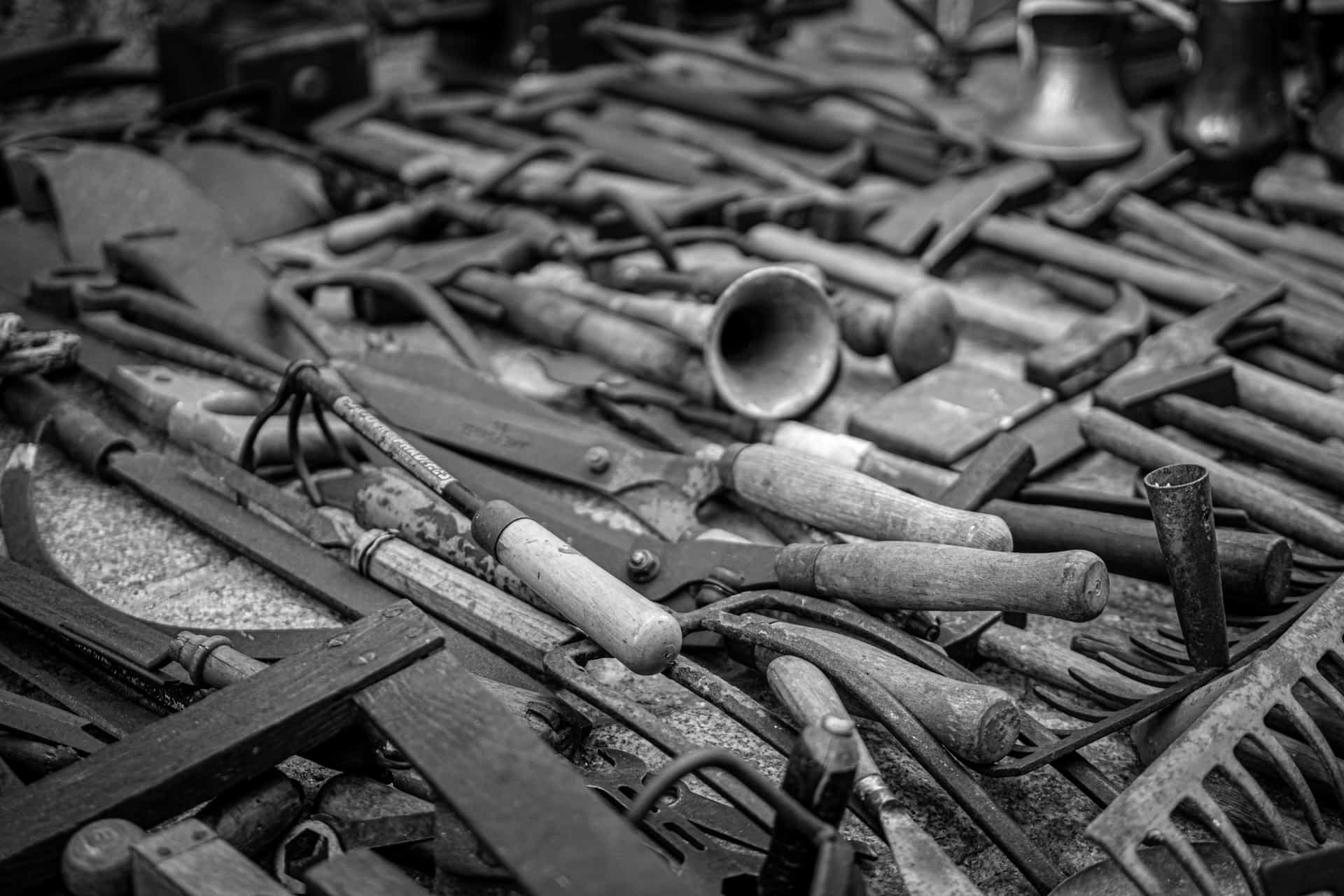
Before the cast-iron plane there was the wooden plane, and both are still made and still used, because each does something the other does not. The comparison is not old versus new — wooden planes are made new today and cast-iron planes are bought vintage all the time. It is two ways of solving the same problem: hold an iron rigidly at a set depth behind a flat sole. They arrive at different trade-offs, and knowing them tells you which tradition suits how you work.
The four families
- Wooden-bodied (Western) planes. A beech or hornbeam body with the iron held by a wooden wedge, set by tapping with a small hammer. Light, fast, and traditional.
- Transitional planes.A cast-iron top with the Bailey adjustment mechanism mounted on a wooden sole — a bridge between the two worlds. Cheap on the used market and often overlooked.
- Infill planes. A metal shell (often bronze or steel) filled with a dense hardwood like rosewood, with a thick iron bedded at a high angle. Heavy, beautifully damped, historically the premium bench plane.
- Cast-iron Bailey planes.The Stanley pattern that became the world standard — a cast body with the depth-and-lateral adjuster nearly everyone learns on. Detailed maker-by-maker on hand plane brands compared.
Weight and glide
The clearest everyday difference. A wooden plane is light and it glides— wood on wood has less friction than iron on wood, so a wooden plane feels like it slides where a metal one feels like it grips. Over a long session that lower fatigue is real and it is the reason many people who try wooden planes keep reaching for them. A cast-iron plane is heavier, and that mass is not purely a cost: it carries the plane through a cut and helps it power through a knot or a patch of hard grain. Infill planes take the mass idea furthest, and that heft is exactly what damps vibration and makes them so composed on difficult wood. Light-and-gliding or heavy-and-composed is the first fork in the decision.
| Wooden / transitional | Cast-iron Bailey | Infill | |
|---|---|---|---|
| Weight | Light | Moderate to heavy | Heavy |
| Glide (friction) | Low, slick | Higher | Higher |
| Adjustment | Tap with a hammer (skill) | Knob and lever (easy) | Varies; often a fine mechanism |
| Sole wear | Wears; re-trued by planing | Very slow; re-trued by lapping | Very slow |
| Value on the used market | Often very cheap | Excellent | Premium / collector |
Adjustment: the honest gap
This is where the cast-iron plane wins for most people. The Bailey mechanism — a knob for depth, a lever for lateral — is intuitive and repeatable, and it is why the pattern took over the world. A wooden plane is set by tapping the iron and the wedge with a small hammer: a tap on the iron to advance it, a tap on the heel or the strike button to retract, a tap on the side to true it laterally. It is a genuine skill, and it is faster than the knob once learned, but it is a barrier at the start. If you want to plane this afternoon without a learning curve, the metal plane is the easier tool; if you enjoy learning a hand skill, the wooden one rewards it.
Wear, re-truing and durability over decades
Both traditions can last a lifetime and beyond, but they age differently. A wooden sole wearsfaster than iron — but truing it is trivial and needs no abrasive: you take a shaving off it with another plane, or lap it, and it is flat again, which you can do many times over the tool's life. A wooden body also moves with humidity and can check or crack if neglected, so it wants a little seasonal attention. A cast-iron sole barely wears at all, but when it does need truing it is a slower job of lapping on abrasive, covered in how to flatten a plane sole. The iron's real enemy is rust, and a cracked casting is effectively unrepairable where a cracked wooden body can be rebuilt. Neither is more durable in the abstract; they simply fail and get maintained in different ways.
Living with a wooden plane
A wooden plane asks for a little care a metal one does not, and it is fair to weigh that before buying one. Wood moves with humidity, so a wooden body wants to be kept from extremes — not baked next to a radiator, not left damp — and it benefits from an occasional wipe of oil or wax to stay stable and slick. The sole should be checked for flat now and then and re-trued when it drifts, which, as noted, is a quick job with another plane. In return you get a tool with almost nothing to corrode: no casting to rust, no japanning to chip, and a body that can be patched or rebuilt with wood rather than scrapped. Neglect is the enemy of a wooden plane the way rust is the enemy of a metal one, and both are easily avoided with a dry shelf and a little attention.
The Japanese tradition
The wooden-plane family is not only European. The Japanese kanna is a laminated iron wedged into a white-oak block, pulled toward the user rather than pushed, with no metal mechanism at all — the iron is set and trued by tapping. The appeal is the steel: a hard laminated iron takes an exceptionally keen edge, and a tool with no mechanism has nothing to wear out. The cost is the learning curve, because the wooden body must be conditioned and periodically re-trued and the setup is done entirely by feel. It is the same light-body, gliding-sole, hammer-set logic as the Western wooden plane, taken to a refined extreme, and it sits in the same buying conversation. Which kanna are worth buying, on what KAKURI and SUIZAN publish about the steel, the cutting width and the warranty, is ranked on the best Japanese hand planes.
Setting the mouth
One mechanical difference is worth a line because it affects fine work. On a metal Bailey plane you adjust the mouth by moving the frog, a reversible tweak you can make in seconds. On a traditional wooden plane the mouth is fixed by how the throat was cut, and closing it up once it has worn open means patching the sole with a hardwood or boxwood insert — a real repair rather than an adjustment. It is not a reason to avoid wooden planes, but it is a reason the metal plane feels more convenient for anyone who likes to change the mouth setting for different work.
Cost, and where each wins on the used market
The money picture is worth stating plainly. Cast-iron Bailey planes are the value champions of the second-hand market: they were made in the millions, parts interchange, and a tired one comes back to life with cleaning and a new iron. Wooden and transitional planes are frequently cheaper still and widely overlooked, which makes them a bargain if you are willing to learn the hammer-set method — a transitional plane in particular gives you the easy metal adjuster on a gliding wooden sole for very little. Infills sit at the opposite end, commanding premium and collector prices, because they were always costly to make and few were produced. So the tradition you can afford, and the one that holds value, is not the same at every tier — the maker-by-maker detail is in hand plane brands compared.
Which tradition to buy
For a first plane and for most people, a cast-iron Bailey— the adjustment is easy, parts and irons are everywhere, and the vintage market is the best value on this whole site, which is the case laid out in vintage versus new planes. Add a wooden planewhen you want the lighter, slicker feel over a long session, or simply want to learn the hammer-set tradition — a transitional plane is the cheapest way to try it. An infill is a considered, premium choice for someone who wants the ultimate in damping on difficult grain and is buying a tool to keep for life. There is no single right answer here, which is exactly why both traditions are still being made.
Questions
Frequently asked
Are wooden planes better than metal planes?
Neither is simply better. Wooden planes are lighter and glide with less friction, which is less tiring over long sessions; metal Bailey planes are easier to adjust and hold their settings with a knob and lever. Wooden bodies re-true easily but wear faster; iron soles barely wear but need lapping when they do.
How do you adjust a wooden hand plane?
By tapping with a small hammer. A tap on the iron advances it, a tap on the heel or strike button retracts it, and a tap on the side of the iron trues it laterally. It is a skill that is quick once learned, unlike the knob-and-lever mechanism on a metal plane.
What is a transitional plane?
A hybrid with a cast-iron top carrying the Bailey adjustment mechanism mounted on a wooden sole. It bridges the two traditions — the easy metal adjuster with the light, gliding wooden sole — and it is often very cheap on the used market.
Do wooden plane soles wear out?
They wear faster than iron, but re-truing is trivial: you take a shaving off the sole with another plane, or lap it, and it is flat again. You can do this many times over the tool's life, so wear is a maintenance item rather than a failure.
What is an infill plane?
A plane with a metal shell filled with dense hardwood and a thick iron bedded at a high angle. The mass and the wood-and-metal construction damp vibration exceptionally well, which is why infills were the historic premium bench plane for difficult grain.
Keep reading
Related
- Jack vs smoother vs jointerThe bench-plane roles both traditions are built to fill.
- Hand plane brands comparedWho makes what, in wood and in iron, and how each backs it.
- Vintage vs new planesWhy the used cast-iron market is the best value route in.
- How to flatten a plane soleRe-truing a sole, and why it differs between wood and iron.
- What is a scrub plane?A scrub plane is built to remove wood fast and roughly, and everything about it is shaped to that one purpose.
- The best Japanese hand planesThe wooden-bodied tradition you can actually buy, ranked on published specs.
Back to Hand Planes · how we pick · editorial policy