Best Chisels
The Best Wood Chisels
Bench chisel sets ranked on steel, back flatness and cost per decade. Includes the honest answer about where spending more stops buying more.
Bench, mortise, and the Japanese alternative
The cheapest tool in the shop to buy well, and the one where the gap between adequate and excellent is smallest. Here is where the money stops helping.
We earn a commission when you buy through our Amazon links, at no extra cost to you. It never decides a ranking, and where the best tool in a class is one we earn nothing on, we say so and link it anyway. How this works.
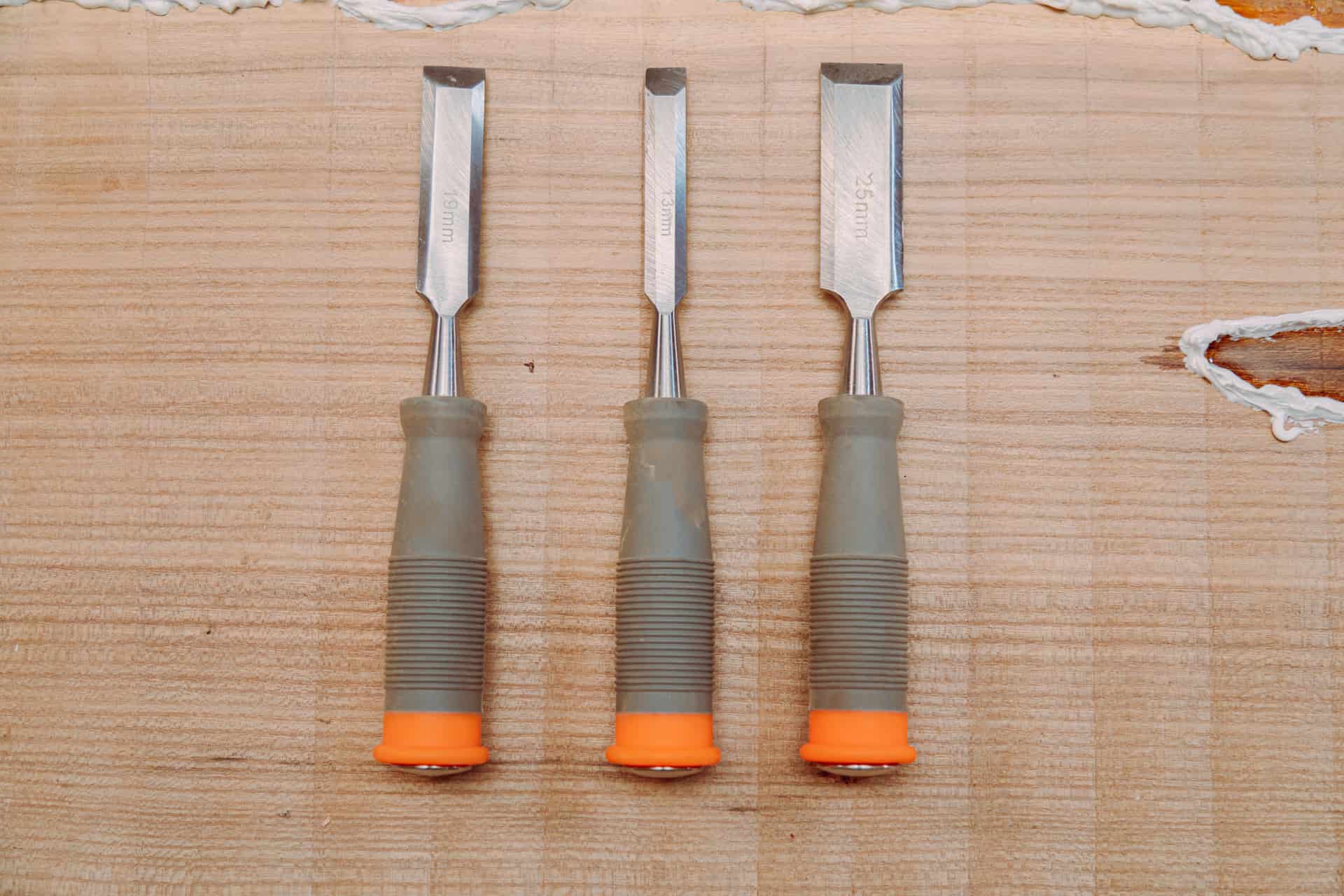
Chisels are the best value in the hand-tool workshop, and they are also where the buy-it-for-life argument is easiest to make and hardest to overspend on. A $50 set of bevel-edge bench chisels, sharpened properly, will do everything a $250 set does. The $250 set will hold its edge somewhat longer, feel better in the hand, and need less work out of the box. It will not let you cut a joint the cheaper set cannot.
That is an unusual thing for a site funded by product links to say, so it is worth being precise about it. The reason the ceiling is low here is that a chisel is a simple object: a piece of hardened steel, a bevel, a handle, and a means of joining the two. There is very little for a manufacturer to get cleverly right. What they can get wrong is the heat treatment — too soft and the edge rolls, too hard and it chips — and the flatness of the back, which decides how much lapping you have to do before the tool is usable. Both of those are solved problems at around fifty dollars.
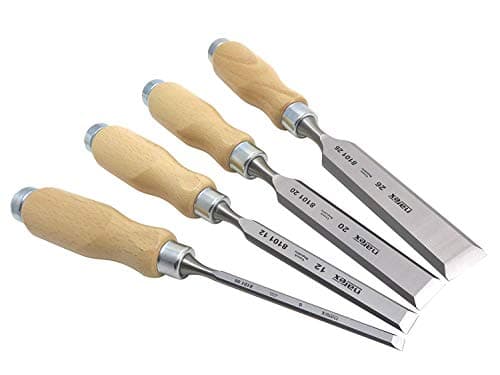
Bench chisels are the ones you actually want. Bevel-edged, moderate length, sized in a set of four to six, they pare and chop and clean up joints. If you own one type, own these. The main roundupis all bench chisels, and where they stop being enough — and the long, never-struck blade takes over — is settled in paring chisel versus bench chisel.
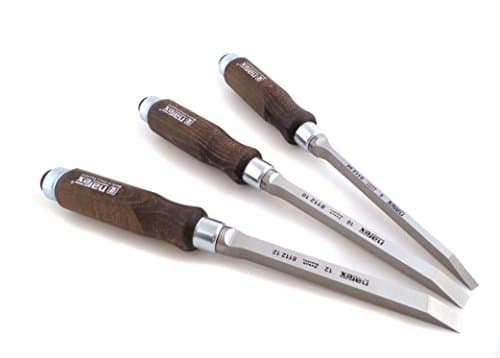
Mortise chiselsare thick, square in section, and built to be levered against — a bench chisel used the same way will snap. If you cut mortises by hand you need two or three; if you do not, you need none. The best mortise chisels ranks the seven you can actually buy, and we cover the difference between the families in chisel types compared.
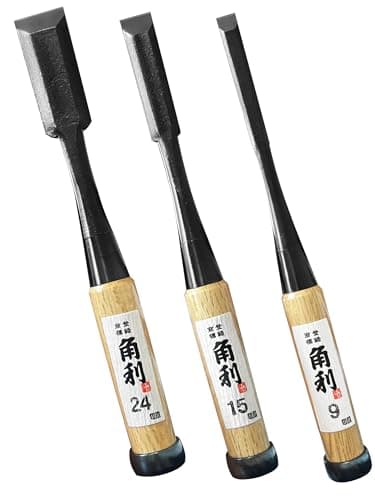
Japanese chisels(oire nomi) are a genuinely different tool: a hard laminated steel edge forge-welded to a soft iron body, hollow-ground on the back, with a hooped handle designed to be struck. They take a keener edge than western chisels and hold it longer in hardwood. They are also less forgiving — the hard laminate chips if you twist it, and setting up a new one properly takes work most buyers do not expect. Japanese versus western chisels is the honest version of that trade, and best Japanese chisels is what is actually available without importing.
Chisel listings advertise steel like it settles the argument. It does not. Chrome-vanadium, O1, A2, PM-V11 and white paper steel all make a working chisel; they differ in how long the edge lasts and how easily you can put it back. A2 holds longer and is slower to sharpen. O1 and Cr-V sharpen fast and dull sooner. Which one is better depends entirely on whether you would rather sharpen less often or sharpen more easily, and there is no wrong answer. What matters far more is the hardness the maker actually achieved — a published HRC figure is a real fact, and its absence tells you something too. We wrote chisel steel explained to put numbers against the claims.
Fewer than the sets suggest. Four sizes cover the overwhelming majority of furniture work, and most people reach for two of them ninety percent of the time. Buying a ten-piece set to get the two you use is how a $50 decision becomes a $200 one. How many chisels do you need works through it with the sizes rather than the marketing, and if the budget is the binding constraint, the best budget chisel setsranks the cheap shelf on what each maker will actually tell you — including the two sets that come with a stone.
Every pick on this hub carries a cost-per-decade figure and a rebuy-risk rating built from cited warranty and parts facts. For chisels the rebuy risk is almost always low for a simple reason: there is no consumable part. The tool is the edge, and the edge comes back every time you sharpen it. That is the whole buy-it-for-life case in one object. What it needs from you is a stone — see sharpening and how to sharpen a chisel.
For the finer points, learn what a firmer chisel is and what a dovetail chisel is, work out which chisel sizes you actually use, and see how the makers compare in chisel brands compared.
And then there is the other half of the transaction, which this hub used to leave out. Every page here that tells you to chop, seat or drive a chisel assumes a mallet, and the mallet is not a neutral accessory: the wrong one splits the handle of a chisel that cost five times as much. A hooped Japanese chisel wants a steel genno; a bare wooden handle wants beech or brass and will not survive steel. The best woodworking mallets ranks seven of them on the one question a struck tool raises — whether the face is a replaceable part, whether the head is effectively permanent, or whether you are simply buying a wear item.
Start here
Every list below carries a live price and the cost-per-decade arithmetic next to each tool. Where the best tool in a class is one we earn nothing on, it is still in the list.
Best Chisels
Bench chisel sets ranked on steel, back flatness and cost per decade. Includes the honest answer about where spending more stops buying more.
Best Budget Chisels
Six budget chisel sets, ranked on setup work rather than list price, with the cost-per-decade math and the sharpening budget nobody mentions.
Best Japanese Chisels
Japanese oire nomi ranked, with an honest note on how thin the selection is outside Japan and what the hooped handle actually requires of you.
Our pick · KAKURI Japanese Wood Chisel Set, 3 Piece (Oire Nomi)
#ad· we may earn a commission
Best Mortise Chisels
Seven mortise chisels ranked on published hardness, section depth and handle construction, with the honest answer about how many widths you actually need.
Our pick · Narex Mortise Chisel Set, 3 Piece (6, 10, 12 mm)
#ad· we may earn a commission
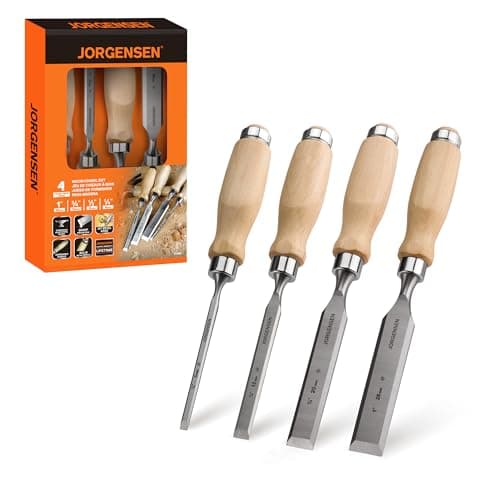
Best Budget Set
Seven genuinely cheap chisel sets ranked on published hardness and handle construction, including the two that bundle a stone and the one we would only buy for rough work.
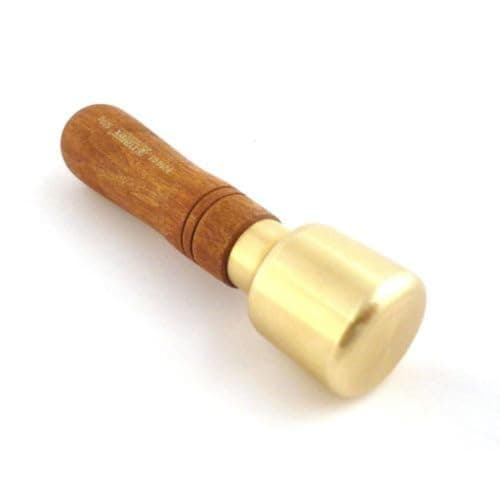
Best Chisel Mallet
Seven mallets ranked on head material, face renewability and published specs: brass, beech, hornbeam, urethane, nylon with screw-in spare faces, and a Japanese genno for hooped chisels.
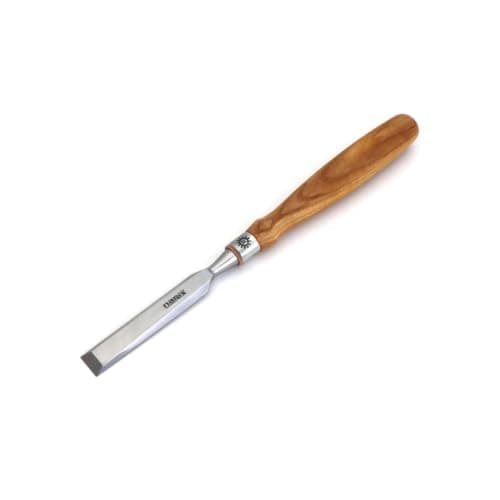
Best Paring Chisel
Seven paring chisels ranked on published steel and hardness, blade and handle length, and back flatness out of the box, from a made-in-USA budget blade to cryogenically treated Richter steel.
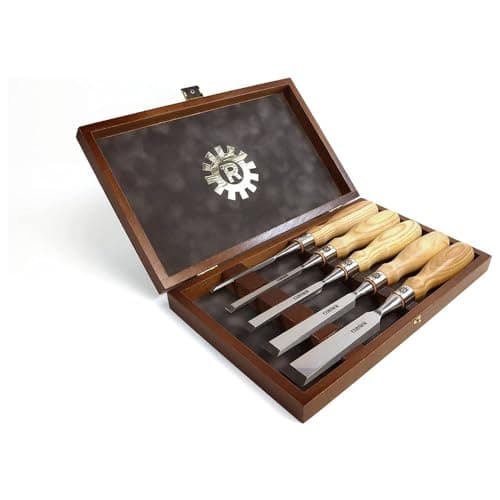
Best Dovetail Chisels
Seven chisel sets ranked for dovetail work on side land thickness, how narrow the smallest chisel goes and how flat the backs arrive — including the skew pair for the corners nothing straight can reach.
If you're deciding between two
The comparisons that come up over and over, answered with the specification differences that actually change what the tool does.
Head to head
The three Narex lines compared: classic, premium and Richter. What cryogenic treatment buys, and the warranty question the maker leaves open.
Head to head
Bench, mortise, paring and firmer chisels compared on section, handle and what each survives. Most people need one family; here is which.
Head to head
Laminated vs monolithic steel, hollow vs flat backs, hooped vs plain handles. What each is genuinely better at and what it costs you.
Our pick · KAKURI Japanese Wood Chisel Set, 3 Piece (Oire Nomi)
#ad· we may earn a commission
Head to head
Blade section, handle and intended abuse compared, where the two overlap, which to buy first, and why most woodworkers only ever need bench chisels.
Head to head
How socket and tang handles attach, which survives mallet work, why re-handling differs between them, the historic patterns, and which lasts a lifetime.
Head to head
The chisel brand landscape sorted into entry, mid and premium tiers with a Japanese note — what the steel and finish buy you, and which tier earns its price.
Head to head
Length, bevel, section and the never-struck rule compared on published specifications, plus the honest answer about when a sharp bench chisel is already doing the job.
Head to head
The real differences between a wood chisel and a cold chisel: bevel angle, hardness, handle design and what each is safe to strike, plus what to buy if you only own the wrong one.
The mechanism
Why the tool works the way it does, and what to do with it once you own it. No affiliate links are required to read any of these.
Guide
What A2, O1, Cr-V and laminated steels actually change, why hardness matters more than the alloy name, and the trade every steel makes.

Guide
Flattening the back, setting the bevel, raising and removing the burr. Ten minutes the first time, two minutes every time after.
Guide
Which sizes get used and which sit in the roll, why four is the right number, and how a bigger set turns a $50 decision into a $200 one.
Guide
Grip, bevel-up versus bevel-down, registering off a knife line, controlling depth, chopping versus paring, mallet technique and the safety rule that never changes.
Guide
Why a flat back is half the edge, how far up to lap, the ruler-trick debate, working on stones or sandpaper, and when a bellied back means stop.
Guide
The thick, deep-sectioned chisel built to lever mortise waste, its oval bolstered handle, sash versus pigsticker patterns, and why a bench chisel is wrong for it.
Guide
The long, thin, low-bevelled chisel that is only ever hand-pushed, why its length aids registration, what it is for, and how to grind its shallow bevel.
Guide
Hornbeam, ash and boxwood versus acetate and impact plastics, plus hooped Japanese handles, compared on comfort, durability and repairability for a lifetime tool.
Guide
What a firmer chisel is, how its thick square section differs from a bevel-edge bench chisel and a mortise chisel, and when it still earns a place today.
Guide
What a dovetail chisel is, why its thinned side lands matter for reaching acute pin and tail corners, and whether you actually need one.
Guide
The common chisel widths and their metric equivalents, which two or three do most of the work, how to match width to the joint, and why big sets oversell.
The rest of the workshop