Chisels
Paring Chisels Explained
The chisel you push and never hit: long, thin and ground low, for fitting joints to a shaving.
We earn a commission when you buy through our Amazon links, at no extra cost to you. It never decides a ranking, and where the best tool in a class is one we earn nothing on, we say so and link it anyway. How this works.
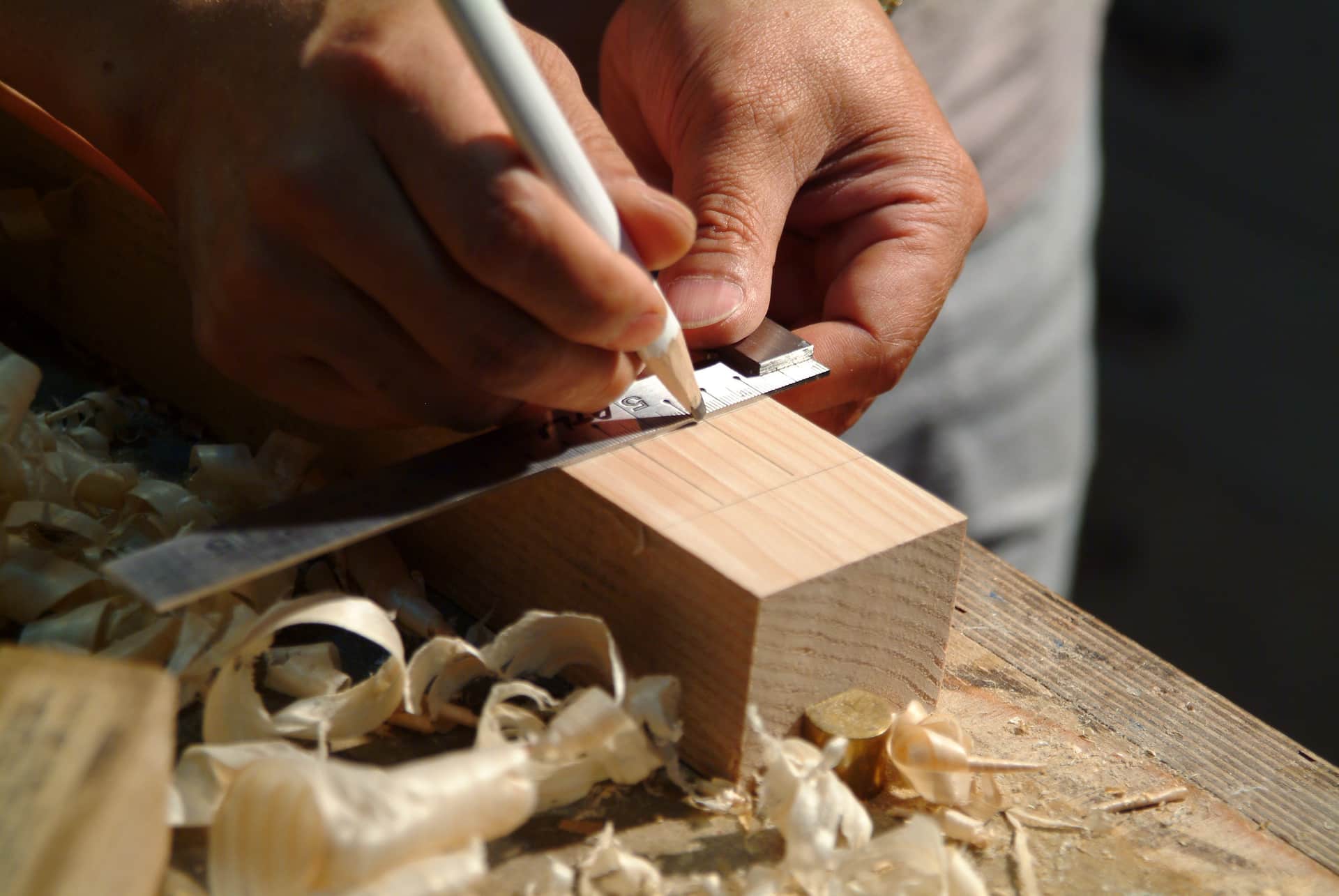
A paring chisel is the specialist of fine fitting: a long, thin, flexible blade ground with a shallow bevel, made to be pushed by hand and never struck. Where a bench chisel is a generalist and a mortise chisel is a bruiser, a paring chisel is a precision instrument for the last shaving off a joint — the tool you reach for when a tenon is a hair too fat or a surface is a whisker out of flat.
It is rarely a first purchase and often a third or fourth, but for the work it does there is no substitute, and understanding why comes down to four features working together: length, thinness, a low bevel, and the flat back. Its place among the other families is on chisel types compared, and the head-to-head against the tool it is most often confused with — including which one to actually buy — is on paring chisel versus bench chisel.
What a paring chisel is
Physically: a blade several inches longer than a bench chisel's, noticeably thinner in section, often with a slight flex you can feel, and a long handle sized for two-handed pushing rather than striking. The extra length is not decoration — it is the working principle of the tool, as we will see — and the thinness lets the blade follow a surface and slip into places a stubby bench chisel cannot reach.
The blade is bevel-edged like a bench chisel, so it can get into corners, but everything about it is optimized for controlled slicing rather than force. You will sometimes see cranked-neck paring chisels, where the handle is offset above the blade so your hand clears the work when paring a wide flat surface. That crank exists for exactly one reason: to let the blade lie flat on a broad surface with your knuckles out of the way.
Never struck, and why that matters
This is the rule that defines the tool: a paring chisel is pushed by hand and never hit with a mallet. The blade is thin and often slightly flexible, ground with a shallow, keen bevel, and struck loads would bend it, chip the fine edge, or snap it. It is not built to survive impact; it is built to slice.
This matters because it is easy to violate by reflex. Pick up a chisel, meet resistance, reach for the mallet — and on a paring chisel that reflex is damage. If you find yourself wanting to hit it, you are asking it to do a bench chisel's or a mortise chisel's job, and you should switch tools. The general habit of matching the cut to the tool is covered on how to use a chisel.
The low bevel
Paring chisels are ground at a shallower angle than bench chisels — often around 20 degrees, sometimes lower — where a bench chisel lives at 25 to 30. A lower bevel angle produces a keener, finer edge that slices rather than wedges, and slicing cleanly is the entire job of a paring chisel.
The trade is durability: a low, fine edge is fragile and would fold or chip under a mallet or in hard chopping. But a paring chisel is never struck and never chops, so it never sees the loads that would punish a low bevel. The angle that would be reckless on a bench chisel is exactly right here, because the tool is only ever used gently. This is a clean illustration of the general point that the right bevel angle depends on the job, laid out on how to sharpen a chisel.
Why length aids registration
This is the feature people underrate, and it is the real reason paring chisels are long. Registration means keeping the blade traveling in a straight, controlled line, and a long blade registers better than a short one for the same reason a long ruler draws a straighter line than a short one: more of the tool is referenced against the surface at once.
When you lay a long paring chisel flat on a tenon cheek and push, a good few inches of flat back are riding the wood, and that long flat acts as a fence that keeps the edge cutting parallel to the surface instead of diving in or riding up. A short bench chisel, with only an inch or two of back on the wood, tips far more easily. The length turns the whole underside of the blade into a reference, which is why paring chisels pare flatso much more reliably — and why the flat back matters even more here than usual, a job worth doing carefully per how to flatten a chisel back.
What you actually do with one
Fitting, mostly. The classic uses are shaving a tenon cheek down to a piston fit in its mortise, trimming the shoulder of a joint dead flat, paring a hinge mortise to depth, leveling a proud dovetail or plug, and cleaning up any surface that needs to be flat and is a shaving away from it. In every case the material being removed is tiny — a shaving, not a chip — and control matters more than power.
The motion is a two-handed slicing push: one hand drives from the handle, the other pinches the blade to steer and to brake, and a slight skewing of the blade as you push makes the edge slice rather than scrape, which is cleaner and takes less force. Everything is deliberate and low-effort; if you are pushing hard, either the tool is dull or you are trying to take too much at once.
Sharpening a paring bevel
Sharpen it like any chisel — flatten the back, hone the bevel, remove the burr — but ground to a lower angle and, ideally, kept truly flat on the back. Because the paring chisel relies on its flat back to register against surfaces, this is the one chisel where the ruler-trick shortcut is best avoided: a back bevel, however small, compromises the flat reference that makes the tool work. Keep the back dead flat and polished.
Hone the bevel at around 20 degrees. Because the edge is fine and never struck, it will hold a keen edge for a long time in the light work it does — but it also chips or folds if you ever misuse it, in which case you regrind and resolve not to hit it again. The step-by-step is the same as for any chisel, with only the angle lowered.
Do you need a dedicated paring chisel?
Not at first, and maybe not ever, depending on your work. A sharp bench chisel pares perfectly well for most fitting; the dedicated paring chisel is a refinement that earns its place when the reach or the control of a bench chisel starts to run out — when you are fitting a lot of joints, working on larger pieces, or finding that a stubby blade keeps tipping where a long one would stay flat.
When that moment comes, a single wide paring chisel — three-quarters of an inch or an inch — covers most of the work, and the Japanese long-handled bench chisels are an accessible way into the same feel without buying a full dedicated set. It is a satisfying tool to own and a poor first one; buy it when a real job asks for it, not before.
When it does, the best paring chisels ranks the buyable ones on the two things that decide a hand-pushed edge: published steel and hardness, and how flat the back arrives. It also covers the bent-neck and skew patterns, which solve the two cuts a straight paring chisel physically cannot reach.
Questions
Frequently asked
What is a paring chisel used for?
Fine fitting: shaving a tenon to a piston fit, trimming a shoulder flat, leveling a proud plug or dovetail, cleaning a surface that is a shaving away from flat. It removes shavings, not chips, and control matters more than power.
Can you hit a paring chisel with a mallet?
No. It is only ever pushed by hand. The blade is thin, often flexible, and ground with a low, fine edge that would bend, chip or snap under a struck load. If a cut needs a mallet, it needs a different chisel.
What angle is a paring chisel sharpened at?
Lower than a bench chisel, often around 20 degrees, for a keener slicing edge. It can afford the fragile low angle because it is never struck and never chops, so it never sees the loads that would fold such an edge.
Why are paring chisels so long?
For registration. A long blade lays more of its flat back on the surface, which acts as a fence keeping the edge cutting parallel instead of diving or riding up. The length is the working principle, not a style choice.
Do I need a paring chisel?
Not to start. A sharp bench chisel pares most fitting work. A dedicated paring chisel earns its place when a bench chisel's reach or control runs out — larger pieces, lots of joints — and one wide one covers most of it.
Keep reading
Related
- How to use a chiselGrip and technique, including paring cuts.
- Chisel types comparedWhere paring chisels sit among the families.
- How to sharpen a chiselThe routine, with the low paring bevel noted.
- How to flatten a chisel backThe flat back a paring chisel depends on.
- What is a dovetail chiselA bench chisel ground with knife-thin side lands so it can reach into the acute corner of a dovetail.
- Paring chisel vs bench chiselSame steel, same hardness, different shape — and which of the two you should actually buy.
Back to Chisels · how we pick · editorial policy