A shoulder plane is a sole, two square sides and an iron the full width of all three. Under a hundred dollars, only one maker will tell you what any of it measures.
We earn a commission when you buy through our Amazon links, at no extra cost to you. It never decides a ranking, and where the best tool in a class is one we earn nothing on, we say so and link it anyway. How this works.
Our top pick
Taytools No. 92 Cabinet Maker's Shoulder Plane
The cheapest shoulder plane that still tells you what it is made of
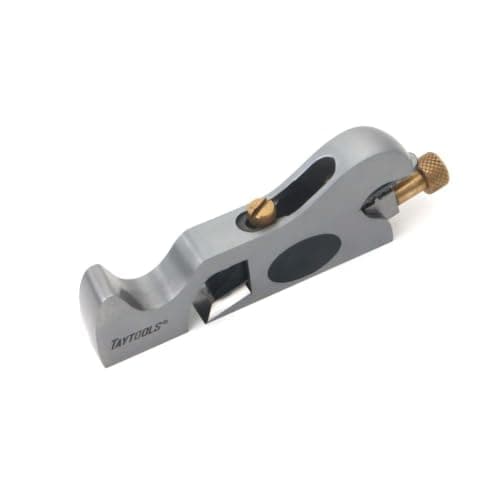
A copy of the Stanley No. 92 that Stanley built from 1902 to 1969, at roughly a third of what the measured planes cost, and Taytools publishes the numbers: a 0.730 in iron, 0.110 in thick, hardened to 55-60 HRc, bedded at 20 degrees in a ductile iron body with the sole and sides ground. They also state in writing that it needs sharpening before use, which is more honest than most listings at any price.
The cheapest shoulder plane that still tells you what it is made of
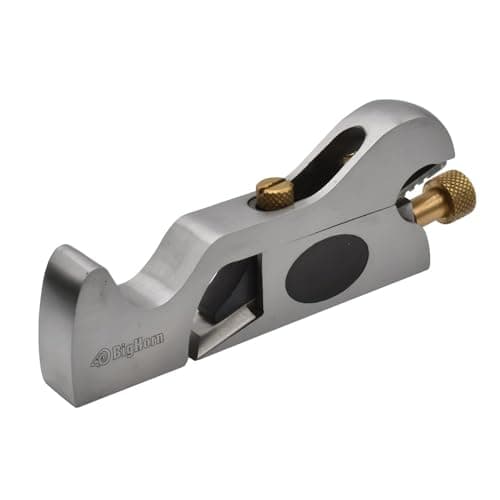
A 3/4 in shoulder plane with an adjustable mouth and a removable upper section for chisel-plane work — the Bench Dog layout, for less money. What you give up is every number: no steel grade, no hardness, no bed angle, no weight and no spare iron published anywhere we looked.
The same architecture as the measured planes, with none of the paperwork
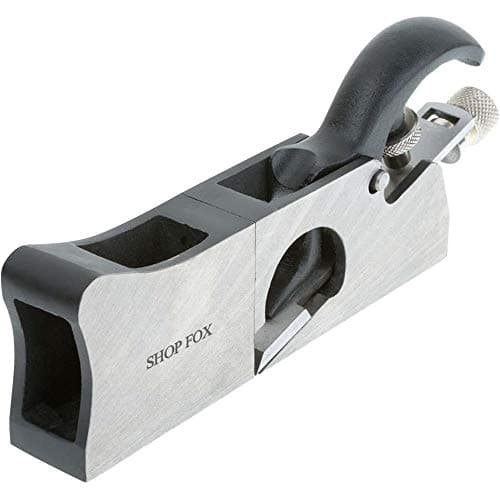
Shoulder plane, bullnose plane and chisel plane in one 6 in body with a 1-3/32 in sole, which puts it in the wide class rather than the 3/4 in one. The iron comes out easily for sharpening and the adjuster is a knurled screw; what the maker will not tell you is what the iron is made of.
#ad· Live prices from the Amazon Product API, as of November 22, 2026. Where we have no verified live price we show none, and the cost-per-decade figure is suppressed with it — we would rather leave a gap than print a number that has rotted.
The verdict: buy the Taytools No. 92, which is both the top pick and the cheapest plane here. It is the right one for anyone fitting tenon shoulders and rebates who wants to know what they are buying: Taytools publishes a 0.730 in iron, 0.110 in thick, hardened to 55–60 HRc, ground at 25 degrees and bedded at 20 degrees in a ductile iron body with the sole and sides ground. Since it is also the least expensive, it is the budget pick as well, and this page does not pretend otherwise. The Shop Fox is the one to buy instead if you want a wider sole and three configurations in one body. Prices below are live, with the date they were checked.
A shoulder plane is the simplest geometry in the plane cabinet and the least forgiving. The iron must be the full width of the sole, the sides must be square to the sole, and the sole must be flat, because the entire job is registering against one surface while cutting another at exactly ninety degrees to it. Nothing about that is expensive to specify and all of it is expensive to hold, which is why the field above $200 exists — it is ranked on the best shoulder planes, where the winner costs twice the top of this band.
What a hundred dollars changes
It changes the criterion from precision to disclosure. Above the line, makers publish sole flatness tolerances and spare irons; Bench Dog ships a slip measured for your individual plane. Under it, two of the three planes publish no steel grade, no hardness, no bed angle and no weight, and none of the three publishes a replacement iron.
That last point is the one to weigh hardest on a buy-it-for-life purchase. A shoulder-plane iron is not a standard size and has no aftermarket. When it is gone, the plane is gone, however good the casting was. Every plane in this band is in that position, and we would rather state it once at the top than bury it.
The plane to buy: Taytools No. 92
A copy of the Stanley No. 92 that Stanley built from 1902 to 1969, at roughly a third of what the measured planes cost, and Taytools publishes the numbers: 0.730 in iron, 0.110 in thick, hardened tool steel at 55–60 HRc with a 25 degree bevel, bedded at 20 degrees, 6-1/2 in long, 2-1/4 in tall, 19 oz, in ductile cast iron with ground soles and sides and brass fittings, with a solid brass knurled depth adjuster rather than a stamped lever.
They also state in writing that the iron needs sharpening and honing before use, which is more honest than most listings at any price. Against it: no replacement iron published, no warranty, a 90-day return that requires the original unopened packaging — so opening the box to use the plane ends that path — and no sole flatness tolerance published, unlike the planes above this band. The 20 degree bed is also the highest here; a lower bed has the edge on end grain, which is most of what a shoulder plane cuts.
The widest sole: Shop Fox D3752 3-in-1
Shoulder plane, bullnose plane and chisel plane in one 6 in body with a 1-3/32 in sole, which puts it in the wide class rather than the 3/4 in one — wide enough to cross a tenon cheek in a single pass, which the narrow planes cannot. The full-width iron is stated to come out easily for sharpening, which on a convertible plane is not a given, and the adjuster is a knurled screw.
What the maker will not say is what the iron is made of. No steel grade, no hardness, no bed angle figure, no body material and no weight is published; “low angle” is a claim without a number. There is no warranty on the listing, no replacement iron, and the tool is badged as both Shop Fox and Woodstock, which makes it unclear who you contact when something is wrong. Three configurations is a real advantage; three configurations of an unspecified iron is a gamble, and you should take it knowingly. What each configuration is for is on shoulder plane vs rabbet plane.
The dearest of the three: Big Horn 19566
A 3/4 in shoulder plane with an adjustable mouth and a removable upper section for chisel-plane work — the same layout as the Bench Dog that costs half again as much. The listing states the sole and the back of the iron are precision-ground and polished flat, and the iron is full width so it cuts into a corner without leaving a ridge.
It also publishes no steel grade, no hardness, no bed angle, no dimensions and no weight, so there is genuinely nothing to rank it on, and no warranty terms exist for this plane or this maker that we could find. It costs more than the Taytools, which publishes a complete spec sheet. That is why it sits last here despite having the best feature list: on this site a feature nobody will put a number behind does not outrank one that is measured.
Who should spend more
If you cut tenons by hand regularly, the planes above this band publish sole flatness tolerances and sell spare irons, and both of those are worth real money over decades. If you cut tenons on a machine and clean the shoulders by hand a few times a year, the Taytools does that job indistinguishably and the difference stays in your pocket. The technique either way is on how to cut tenons by hand.
The router plane has the same spare-part problem at the same budget, and one maker in that band does solve it: the best router planes under $100.
Doubling the budget changes the answer, because the measured, documented planes start just above this band: the best shoulder planes under $200.
Every pick, in full
The write-ups
01The cheapest shoulder plane that still tells you what it is made of
Blade
0.730 in wide, 0.110 in thick, hardened tool steel 55-60 HRc, 25 deg bevel
Bedded angle
20 deg
Body
Ductile cast iron, ground soles and sides, brass fittings
Size
6-1/2 in long, 2-1/4 in tall, 19 oz
Adjuster
Solid brass knurled screw
Warranty
None published; 90-day return on unopened packaging
Taytools No. 92 Cabinet Maker's Shoulder Plane
Taytools
7.3/10
A copy of the Stanley No. 92 that Stanley built from 1902 to 1969, at roughly a third of what the measured planes cost, and Taytools publishes the numbers: a 0.730 in iron, 0.110 in thick, hardened to 55-60 HRc, bedded at 20 degrees in a ductile iron body with the sole and sides ground. They also state in writing that it needs sharpening before use, which is more honest than most listings at any price.
Cost per decade
$59.99
Horizon · tier D
10 years — No warranty and no parts availability found
No warranty terms and no replacement iron listed for this plane or this maker at the date checked. On a shoulder plane that matters more than it would on a bench plane, because the iron is not a standard size — it is ground to this body and a few thousandths wider than the sole, so there is no aftermarket to fall back on. Sharpening renews the edge for many years; when the iron is finally gone, the plane is gone with it. The horizon is the floor value and the rating is what that absence means.
Rebuy risk
High
resharpenable
Sole & body
8.0
Iron & edge
7.0
Adjustment
8.0
Out of box
6.0
Parts & repair
5.0
Value
9.5
What it gets right
+Publishes iron width, thickness, hardness, bevel and bed angle — more than two of the pricier planes on this page do
+Ductile cast iron rather than gray, with both the sole and the sides ground, which is the geometry the tool depends on
+Solid brass knurled depth adjuster instead of a stamped lever
+Taytools states plainly that the iron needs sharpening and honing before use, so nothing is oversold
+The cheapest plane here that arrives in a presentation box rather than a blister pack
What it costs you
−No replacement iron published for it, and a shoulder-plane iron is not a standard size — when it is gone the plane is gone
−No warranty, and the 90-day return requires the original unopened packaging, so opening the box to use the plane ends that path
−20 deg bed is the highest here; the 15 deg planes have the edge on end grain
−No sole flatness tolerance published, unlike the two planes above it
Skip this if…
…you expect it to cut out of the box. Taytools says so themselves, and a shoulder plane with a factory grind on it will tear the shoulder you were trying to save.
02The same architecture as the measured planes, with none of the paperwork
Blade
3/4 in, full width of the sole; steel and hardness not published
Bedded angle
Not published
Sole
Precision-ground and polished flat per the listing; tolerance not published
Converts
Upper section removes for use as a chisel plane
Weight
Not published
Warranty
Not published
Big Horn 19566 Shoulder Plane
Big Horn
6.2/10
A 3/4 in shoulder plane with an adjustable mouth and a removable upper section for chisel-plane work — the Bench Dog layout, for less money. What you give up is every number: no steel grade, no hardness, no bed angle, no weight and no spare iron published anywhere we looked.
Cost per decade
$98.75
Horizon · tier D
10 years — No warranty and no parts availability found
No warranty terms and no replacement iron listed for this plane or this maker at the date checked. On a shoulder plane that matters more than it would on a bench plane, because the iron is not a standard size — it is ground to this body and a few thousandths wider than the sole, so there is no aftermarket to fall back on. Sharpening renews the edge for many years; when the iron is finally gone, the plane is gone with it. The horizon is the floor value and the rating is what that absence means.
Rebuy risk
High
resharpenable
Sole & body
7.0
Iron & edge
5.0
Adjustment
8.0
Out of box
6.0
Parts & repair
4.5
Value
6.5
What it gets right
+Adjustable mouth and chisel-plane conversion, the two features that make the Bench Dog worth its money, for less
+Listing states the sole and the back of the iron are precision-ground and polished flat
+Full-width iron, so it cuts into a corner without leaving a ridge
+Widely stocked, so it is easy to buy and easy to send back
What it costs you
−Publishes no steel grade, no hardness, no bed angle, no dimensions and no weight, so there is nothing to rank it on
−No warranty terms found for this plane or this maker
−No replacement iron listed anywhere, and a shoulder-plane iron has no aftermarket
−Costs more than the Taytools, which publishes a complete spec sheet
Skip this if…
…you are buying on documentation. At this money the Taytools publishes everything and the Bench Dog ships a slip measured for your individual plane.
Full width, removable for sharpening; steel and hardness not published
Bed angle
Described as low angle; no figure published
Adjuster
Knurled adjustment screw
Warranty
Not published on the product listing
Shop Fox D3752 Precision 3-in-1 Plane
Woodstock
6.4/10
Shoulder plane, bullnose plane and chisel plane in one 6 in body with a 1-3/32 in sole, which puts it in the wide class rather than the 3/4 in one. The iron comes out easily for sharpening and the adjuster is a knurled screw; what the maker will not tell you is what the iron is made of.
Cost per decade
$89.95
Horizon · tier D
10 years — No warranty and no parts availability found
No warranty terms and no replacement iron listed for this plane or this maker at the date checked. On a shoulder plane that matters more than it would on a bench plane, because the iron is not a standard size — it is ground to this body and a few thousandths wider than the sole, so there is no aftermarket to fall back on. Sharpening renews the edge for many years; when the iron is finally gone, the plane is gone with it. The horizon is the floor value and the rating is what that absence means.
Rebuy risk
High
resharpenable
Sole & body
7.0
Iron & edge
5.0
Adjustment
7.5
Out of box
6.0
Parts & repair
4.5
Value
8.5
What it gets right
+Cheapest way to own all three joinery-plane configurations at once
+1-3/32 in sole is the wide class, so it crosses a tenon cheek the 3/4 in planes cannot in one pass
+The full-width iron is stated to come out easily for sharpening, which on a convertible plane is not a given
+Sold under both the Shop Fox and Woodstock badges, so it is usually in stock somewhere
What it costs you
−No iron steel, hardness, bed angle, body material or weight published — low angle is a claim without a number
−No warranty terms on the listing, and no replacement iron published
−Stock showed only fifteen units with more on the way at the date checked
−Two badges on one tool makes it unclear who you contact when something is wrong
Skip this if…
…you want to know what you are buying before you buy it. Three configurations is a real advantage; three configurations of an unspecified iron is a gamble.
Width decides the job. A 3/4 in sole fits into most rebates and is the classic No. 92 proportion. A 1-3/32 in sole crosses a tenon cheek in one pass but will not enter a narrow groove. Buy for the joint you actually cut.
Square sides are not optional. The plane registers on its side against the cheek while the sole cuts the shoulder. If the two faces are not square to each other the tool cannot produce a square shoulder at any price, and it is the first thing to check with an engineer's square when the box arrives — see the best woodworking squares.
Assume you will sharpen it first. One maker here says so outright. A shoulder plane with a factory grind on it will tear the shoulder you were trying to save, and the iron is wide and short, so it hones quickly once it is in a guide.
Accept the spare-iron problem or spend more. No plane in this band has a published replacement iron and shoulder-plane irons have no aftermarket. That is the real cost of the band, not the fit and finish.
Questions
Frequently asked
What is the best shoulder plane under $100?+
The Taytools No. 92. It is the cheapest of the three and the only one whose maker publishes the iron width, thickness, hardness, bevel and bed angle, which on this site is what decides a ranking when nobody has handled the tools.
Is a cheap shoulder plane worth it?+
Yes if you fit shoulders occasionally and sharpen the iron before first use. The geometry is simple enough that a well-ground budget casting does the job. The thing you are giving up is not accuracy today but a replacement iron in twenty years, since none of these planes has one.
Do I need a shoulder plane at all?+
Only if you cut tenons, rebates or housings and want them to fit without packing. A sharp wide bench chisel does the same work more slowly and less squarely. The comparison with the other joinery planes is on shoulder plane vs rabbet plane.
What bed angle should a shoulder plane have?+
Lower is better for end grain, which is most of what a shoulder plane cuts. The Taytools publishes 20 degrees; the other two planes in this band publish no figure at all, and “low angle” without a number is not a specification. The planes above this band publish 15 degrees.
We have not handled these tools. Nobody here has tested one, owned one, or taken one apart. Specifications come from the manufacturer or the retailer listing; warranty terms come from the maker's own warranty page; the cost-per-decade arithmetic is ours and reproducible. Where we could not verify a figure we say so on the page rather than quietly leaving it out. Read the full method.