We earn a commission when you buy through our Amazon links, at no extra cost to you. It never decides a ranking, and where the best tool in a class is one we earn nothing on, we say so and link it anyway. How this works.
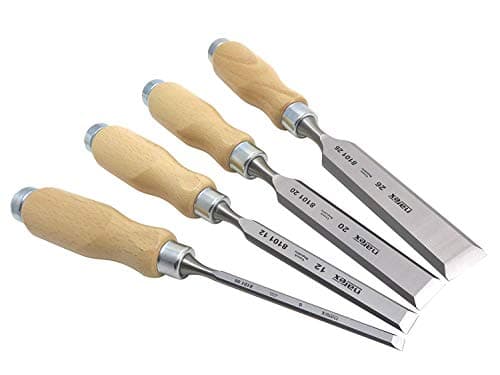
The set that makes the case for this whole site. Four sizes, Czech chrome-vanadium hardened properly, beech handles, and a price that leaves budget for the stone you will need anyway.
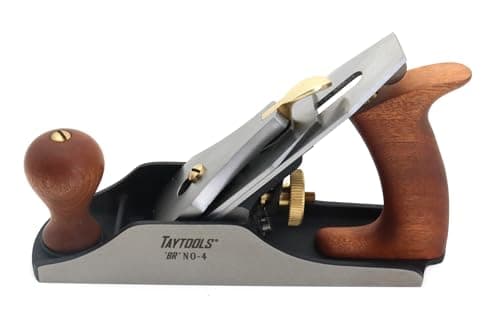
A Bedrock-pattern frog on a ductile cast body at roughly half the price of the premium options. The frog design is the meaningful part: it beds the iron along its full length, which is what kills chatter.
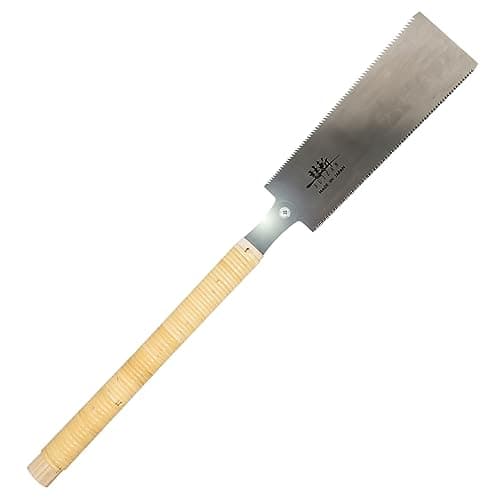
Rip teeth on one edge, crosscut on the other, a plate thin enough to cut with almost no force, and a maker who actually sells replacement blades. That last point is why it rates as well as it does.
The default first waterstone worldwide. A working edge on one side, a polishing edge on the other, a base to stop it sliding, and a price that removes every excuse not to own one.
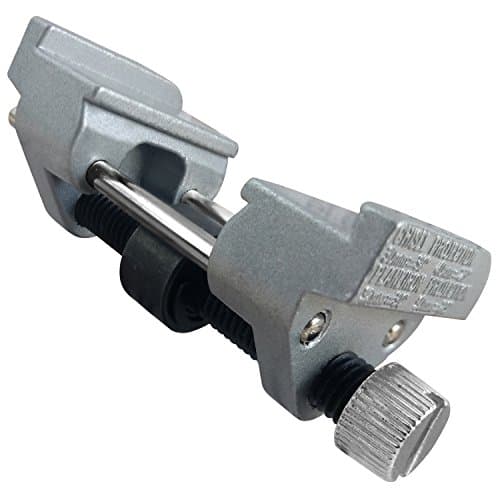
An Eclipse-pattern side clamp for under twenty dollars. It sets the same geometry the expensive guides do, less conveniently, and that is the whole difference.
The guide that makes the case against expensive guides
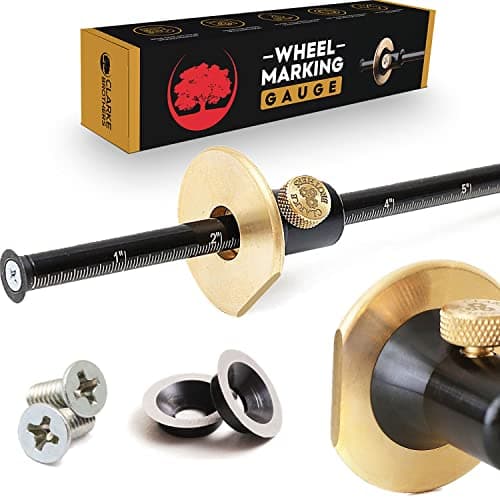
A wheel gauge severs the fibers instead of tearing them, which is why a knife line from one is so much cleaner than a pin gauge's scratch. The spare cutters are the reason it rates well here.
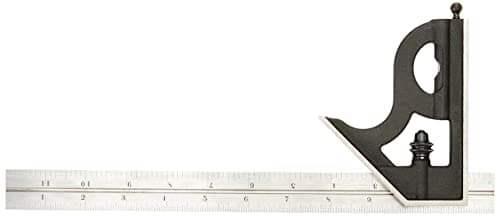
Made in Athol, Massachusetts, where the combination square was invented in 1880. It is the tool you check other tools with, which means it is the one that has to be right.
#ad· Live prices from the Amazon Product API, as of October 22, 2026. Where we have no verified live price we show none, and the cost-per-decade figure is suppressed with it — we would rather leave a gap than print a number that has rotted.
This list is chosen on a different criterion from every other roundup on this site. Not best value, not best performance: the smallest set of tools that can build furniture and will still be working in fifty years.
That criterion selects differently than price does. It favors tools with nothing consumable in them, tools whose wear surface is renewable, and tools whose failure mode is “needs sharpening” rather than “needs replacing”. Several things that would win a value roundup do not appear here, and one thing here is more expensive than it needs to be for a good reason.
Why these eight
Chisels. A monolithic edge tool with no consumable part. The tool is the edge and sharpening renews it for as long as there is steel, which on a bench chisel is decades of daily use. This is the purest buy-it-for-life object in the workshop, and it is also one of the cheapest.
A bench plane. The casting is effectively permanent; the iron is the consumable and it is replaceable, which is why Bailey-pattern planes rate well here regardless of badge. A plane whose iron you cannot replace is a countdown; one whose iron you can is a tool.
A ryoba.The one compromise on this list, and it is deliberate. The teeth are impulse-hardened and cannot be filed, so the blade is a consumable. It is here because the maker sells replacement blades directly, which makes the handle and spine the lasting purchase — and because the alternative, a filed western saw, is a genuinely worse tool unless you learn to sharpen it. See Japanese versus western saws.
A combination waterstone and a honing guide. Without these, every other tool on this list stops working within a week. The guide is a mechanical jig with no edge and no consumable; the stone is consumed slowly and is the cheapest thing here to replace.
A wheel marking gauge. The layout tool that changes how joints fit. A wheel severs fibers where a pin gauge tears them, so the line is crisp and the chisel has something to register against. The wheel is replaceable and spares ship with it.
A combination square. The reference every other tool is checked against. This is the expensive one, and the reason is below.
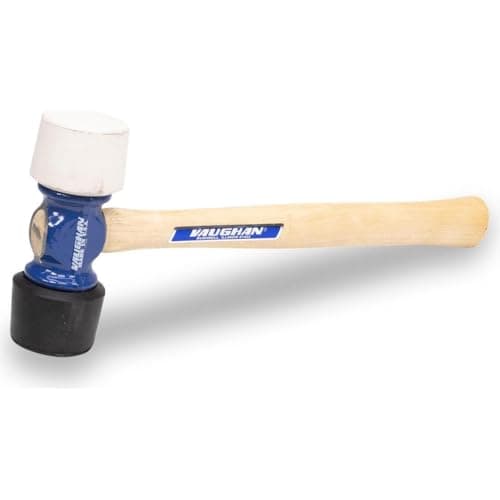
A soft-face mallet. Drives chisels without splitting handles, and the faces are replaceable so the tool outlasts them.
The square, and what we found
The Starrett combination square costs several times what a hardware-store square costs, and the usual justification is that it is a lifetime tool. We went to check that, and what we found is more interesting than the usual story.
Starrett warrants against defects for one year, and states plainly that no manufacturer's precision tools are guaranteed to work for life. That is the opposite of the reputation, and both halves of it are published on their own site — the one-year term in their FAQ, the lifetime statement on their general information page.
There is a maker that does publish an unconditional guarantee against a square going out of tolerance, and it is not Starrett — we ranked the whole shelf on exactly that test on the best woodworking squares.
What they also do is run a repair service for precision tools passed between generations, and they have manufactured in Athol, Massachusetts since 1880 — where the combination square was invented. That is a different and arguably better kind of commitment than a warranty document: a warranty covers a defect at the point of sale, an ongoing repair service is what keeps a tool alive in 2070.
It is on this list because a square is the tool you check other tools with, so it is the one that has to be right. If the budget will not stretch, buy a cheaper square and check it against something known-square rather than trusting it. That is the honest version.
What is deliberately not here
A block plane. Genuinely useful and not essential to build things. Add it second; see best block planes.
A dovetail saw. The ryoba cuts joinery adequately. A dozuki cuts it much better and is the best third purchase on this whole site. See best dovetail saws.
Mortise chisels. Only if you chop mortises by hand.
A flattening stone. It should be here, and it is on the sharpening starter kit instead because that page treats sharpening properly. Buy it with the stone; a dished waterstone puts a curved bevel on everything you own.
Every pick, in full
The write-ups
01Best chisels overall, and the end of the argument
Set
4 pieces
Steel
Cr-Mn / Cr-V, hardened
Handles
Beech, tanged
Warranty
Not published by the maker
Narex Bevel Edge Chisel Set, 4 Piece
Narex
8.4/10
The set that makes the case for this whole site. Four sizes, Czech chrome-vanadium hardened properly, beech handles, and a price that leaves budget for the stone you will need anyway.
Cost per decade
$24.45
Horizon · tier C
20 years — No lifetime warranty; parts purchasable and resharpenable
A UK specialist retailer states a lifetime guarantee on Narex chisels; we could not find published warranty terms from Narex itself, so we do not rate it tier A. Unhandled blade blanks are sold separately, and the tool is resharpenable indefinitely.
Rebuy risk
Medium
parts listed, resharpenable
Steel & edge
8.5
Back flatness
8.0
Handle
7.5
Sizes covered
8.5
Value
9.5
What it gets right
+Edge retention indistinguishable from sets at four times the price in normal use
+Backs are flat enough that lapping is a job, not an ordeal
+Four sizes is genuinely the number most people use
+Nothing on the tool is consumable: sharpening renews it indefinitely
What it costs you
−Narex publishes no warranty terms we could find, so it cannot rate tier A
−Lacquer on the handles is functional rather than lovely
−Side lands are thicker than a dedicated dovetail chisel's
Skip this if…
…you cut a lot of tight dovetails. The side lands will bruise the pins; buy a dedicated dovetail chisel for those and keep these for everything else.
A Bedrock-pattern frog on a ductile cast body at roughly half the price of the premium options. The frog design is the meaningful part: it beds the iron along its full length, which is what kills chatter.
Cost per decade
$59.99
Horizon · tier C
20 years — No lifetime warranty; parts purchasable and resharpenable
No lifetime warranty published at the date checked. The iron is a standard Bailey-pattern size, so aftermarket replacements from third-party makers are purchasable, and the body is a casting with no consumable part.
Rebuy risk
Medium
parts listed, resharpenable
Sole & body
8.5
Iron & edge
7.5
Adjustment
8.5
Out of box
7.5
Parts & repair
7.0
Value
9.0
What it gets right
+Bedrock frog geometry is the feature people pay a premium for elsewhere
+Sides lapped square, so it works on a shooting board out of the box
+Ductile iron body is less brittle than gray cast if it gets dropped
What it costs you
−No published warranty terms we could find, so it rates tier C not tier A
−Iron benefits from immediate honing; the factory grind is a shape, not an edge
−Brand has far less parts history behind it than Stanley
Skip this if…
…you want a documented lifetime warranty to point at. The tool is good; the paperwork behind it is not.
Rip teeth on one edge, crosscut on the other, a plate thin enough to cut with almost no force, and a maker who actually sells replacement blades. That last point is why it rates as well as it does.
Cost per decade
$24.90
Horizon · tier C
20 years — No lifetime warranty; parts purchasable and resharpenable
The teeth are impulse-hardened and cannot be filed, so the blade is a consumable — but the maker sells replacement blades directly for this model. The handle and spine are the durable part; the blade is a scheduled purchase, not a failure.
Rebuy risk
High
parts listed
Cut quality
9.5
Blade life
8.0
Control
8.0
Renewability
8.0
Value
9.0
What it gets right
+Two saws in one, and both edges are good rather than compromised
+SUIZAN sells replacement blades directly, so the handle is the lasting purchase
+Thin kerf means less wood removed and much less effort
What it costs you
−Impulse-hardened teeth cannot be filed; when they go, you buy a blade
−The blade warranty stated on the replacement blades is one month
−A thin plate kinks if you force or twist it
Skip this if…
…your definition of buy-it-for-life excludes consumables. A ryoba is a handle plus a scheduled blade purchase, and no amount of framing changes that.
The default first waterstone worldwide. A working edge on one side, a polishing edge on the other, a base to stop it sliding, and a price that removes every excuse not to own one.
Cost per decade
Suppressed — no live price
Horizon · tier C
20 years — No lifetime warranty; parts purchasable and resharpenable
A waterstone is its own consumable: the binder releases spent abrasive, which is why it cuts fast and why it dishes. Rated on realistic service life for occasional workshop use with periodic flattening, not on a warranty — none is published.
Rebuy risk
Medium
parts listed, resharpenable
Cut rate
8.0
Maintenance
6.0
Finish
8.5
Longevity
7.0
Value
9.5
What it gets right
+Two grits in one block covers the whole normal sharpening cycle
+Cheapest credible entry into real sharpening
+Forgiving of imperfect technique in a way harder stones are not
What it costs you
−Dishes quickly and genuinely needs regular flattening
−Needs soaking before use, which is a real friction point
−The 6000 side wears fastest, which is the side you want to keep
Skip this if…
…you will not buy a flattening stone with it. A dished waterstone puts a curved bevel on everything you own.
05The guide that makes the case against expensive guides
Type
Eclipse-pattern side clamp
Chisel capacity
1/8 to 1-7/8 in
Plane blade capacity
1-3/8 to 3-1/8 in
Warranty
Not published
Atlin Honing Guide, Eclipse Pattern
Atlin
7.8/10
An Eclipse-pattern side clamp for under twenty dollars. It sets the same geometry the expensive guides do, less conveniently, and that is the whole difference.
Cost per decade
$16.99
Horizon · tier D
10 years — No warranty and no parts availability found
No warranty terms and no replacement-parts listing found at the date checked. A budget jig with cast or stamped components; there is nothing published to support a longer horizon.
Rebuy risk
High
none of the three met
Cut rate
8.0
Maintenance
7.0
Finish
8.5
Longevity
6.0
Value
9.5
What it gets right
+Produces a correct, repeatable bevel from the first attempt
+Cheap enough that there is no reason to sharpen freehand while learning
+Wide enough jaws for plane irons as well as chisels
What it costs you
−Setting projection needs a separate jig or a marked block
−Narrow chisels can rock in the jaws if you are careless
−No micro-bevel mechanism
Skip this if…
…you sharpen daily. The time the Veritas saves adds up at that frequency; at weekend frequency it does not.
Clarke Brothers Wheel Marking Gauge with Spare Cutters
Clarke Brothers
8.5/10
A wheel gauge severs the fibers instead of tearing them, which is why a knife line from one is so much cleaner than a pin gauge's scratch. The spare cutters are the reason it rates well here.
Cost per decade
$12.40
Horizon · tier C
20 years — No lifetime warranty; parts purchasable and resharpenable
No lifetime warranty published at the date checked. A marking or measuring tool with no cutting edge; the wear part, where there is one, is a replaceable cutter that the maker lists.
Rebuy risk
High
parts listed
Effectiveness
8.5
Handling
8.5
Coverage
8.0
Value
9.0
What it gets right
+Cuts fibers rather than tearing them, so the line is crisp
+Replacement cutters are included and available separately
+Brass fence slides without binding
What it costs you
−The wheel does eventually dull and is a consumable
−Locking thumbscrew is the weak point on gauges at this price
−No published warranty
Skip this if…
…you already own a good pin gauge and only mark softwood. The difference shows up in hardwood.
Price as of October 22, 2026. Prices move; Amazon's is the one that counts.
#ad · we may earn a commission from this link to Clarke Brothers Wheel Marking Gauge with Spare Cutters
07The reference every other tool is checked against
Blade
12 in, hardened steel
Head
Cast iron square head
Origin
Athol, Massachusetts, USA
Warranty
One year against defects
Starrett Combination Square, 12 in Blade
Starrett
8.4/10
Made in Athol, Massachusetts, where the combination square was invented in 1880. It is the tool you check other tools with, which means it is the one that has to be right.
Cost per decade
$42.63
Horizon · tier B
30 years — Finite stated warranty, cited
Starrett warrants against material and workmanship defects for ONE YEAR and states plainly that no manufacturer's precision tools are guaranteed to work for life. The 30-year horizon here comes from the other half of that statement: Starrett services and repairs precision tools passed between generations, and has manufactured in Athol, Massachusetts since 1880.
Rebuy risk
High
parts listed
Effectiveness
10.0
Handling
9.0
Coverage
8.0
Value
6.5
What it gets right
+Accuracy that genuinely serves as a shop reference
+US manufacture at the original works, continuously since 1880
+Starrett services and repairs tools passed between generations
What it costs you
−The warranty is ONE YEAR, not lifetime, contrary to its reputation
−Starrett state plainly that no precision tool is guaranteed to work for life
−Costs several times a hardware-store square
Skip this if…
…you want a square to knock about a site with. Buy a cheap one for that and keep an accurate one at the bench.
A soft face transfers the blow without splitting a wooden handle or bouncing. Vaughan publishes US manufacture, which is unusual at this price.
Cost per decade
$37.16
Horizon · tier C
20 years — No lifetime warranty; parts purchasable and resharpenable
No lifetime warranty published for this item at the date checked. The striking face is the wear part; on this pattern it is replaceable, and the head and handle are not consumables.
Rebuy risk
High
parts listed
Effectiveness
8.5
Handling
8.0
Coverage
8.0
Value
8.5
What it gets right
+Does not split wooden chisel handles the way a steel hammer does
+Faces are replaceable, so the tool outlasts them
+Vaughan publishes US manufacture with global materials
What it costs you
−24 oz is heavy for delicate paring work
−Soft faces do wear and need replacing
−No published lifetime warranty
Skip this if…
…your chisels have steel strike caps. Then a steel hammer is fine and gives better feedback.
More carefully than usual. This list deliberately includes items with different horizons and different rebuy risks, and the number alone will mislead you if you read it as a ranking.
The chisels post a low figure because they cost little and last indefinitely — that is a genuinely strong result. The square posts a high figure because it is expensive, and its tier B rating comes from a documented repair service rather than a lifetime warranty. The honing guide posts a low figure because it is cheap, and its tier D rating is telling you nothing is published about it. Same column, three different stories.
Read the tier and the rebuy risk alongside the number, always. The arithmetic and its limits are on cost per decade.
The order to buy in
Stone and guide. Nothing else works without them, and they will sharpen every tool you ever buy.
Chisels. The most-used tools, and the cheapest to buy well.
Saw. You cannot cut anything without one.
Marking gauge and square. Layout decides whether joints fit; the tools only execute what you marked.
Plane. The most expensive item and the one you can improvise around longest.
Mallet. Anything heavy and non-metallic works until it annoys you.
The cheaper version
Substitute a vintage Stanley Bailey for the new plane and a hardware-store square for the Starrett, and this kit costs considerably less while arguably getting better: a restored Bailey with a good iron beats most new planes under $120. It costs you an evening. See vintage versus new planes.
What actually makes these last
Storage, more than purchase price. A dry closed chest does more for the fifty-year outcome than any upgrade on this page, and the tools most likely to be scrap in a decade are the ones left in an unheated garage on an open rack. See rust removal and prevention.
Questions
Frequently asked
What hand tools do I need to start woodworking?+
A four-piece chisel set, a bench plane, a saw, a sharpening stone and guide, a marking gauge, a square and a mallet. That is enough to build furniture, and every item is chosen for low rebuy risk rather than low price.
Do Starrett tools have a lifetime warranty?+
No. Starrett warrants against defects for one year and states plainly that no manufacturer's precision tools are guaranteed to work for life. They do run a repair service for tools passed between generations, which is a different kind of commitment.
What order should I buy hand tools in?+
Sharpening kit first — nothing works without it. Then chisels, then a saw, then layout tools, then a plane. The plane is the most expensive and the easiest to work around for a while.
Is a Japanese saw a buy-it-for-life tool?+
The handle and spine are; the blade is a consumable because impulse-hardened teeth cannot be filed. It is on this list because the maker sells replacement blades directly, which makes that a scheduled cost rather than a failure.
Can I build this kit cheaper?+
Yes — a restored vintage plane instead of a new one and a checked hardware-store square instead of a Starrett cuts the cost substantially. The restored plane is arguably the better tool; it costs you an evening.
We have not handled these tools. Nobody here has tested one, owned one, or taken one apart. Specifications come from the manufacturer or the retailer listing; warranty terms come from the maker's own warranty page; the cost-per-decade arithmetic is ours and reproducible. Where we could not verify a figure we say so on the page rather than quietly leaving it out. Read the full method.