Buy It For Life
Building A Hand Tool Kit On A Budget
Budget and buy-it-for-life are not opposites. The cheapest kit and the most permanent kit are often the same tools.
We earn a commission when you buy through our Amazon links, at no extra cost to you. It never decides a ranking, and where the best tool in a class is one we earn nothing on, we say so and link it anyway. How this works.
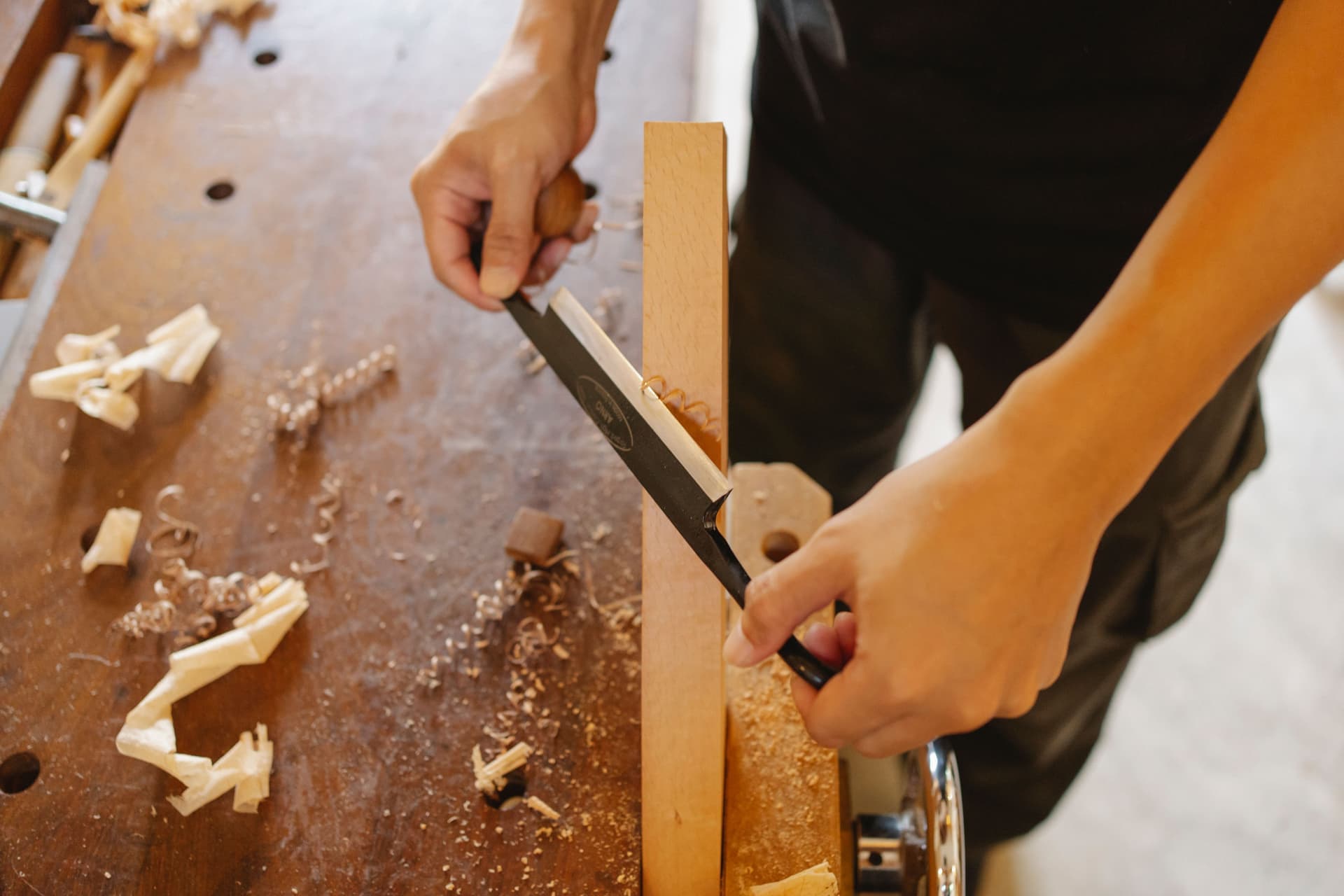
Budget and buy-it-for-life sound like opposites and are not. The tools with the lowest rebuy risk — monolithic chisels, cast planes with replaceable irons, filed saws — are also among the cheapest things in the workshop, especially secondhand. The trick to a cheap kit that lasts is not buying the least tool; it is buying the durable thing in its cheapest honest form.
That usually means vintage plus a little restoration, spending real money on the two or three tools that must be right, and refusing to spend it on the rest. Done well, this route produces a working kit that costs a fraction of the new-boxed equivalent and is arguably the better set of tools. Here is the order and the reasoning.
The core principle: buy the tool, not the brand
Most of the price of a new premium hand tool is fit, finish and setup — the tool works beautifully out of the box. A vintage tool of the same pattern does the same job for a fraction of the money once you spend an evening on it. A cast-iron Bailey-pattern plane from the mid-twentieth century, cleaned up and fitted with a good iron, will out-plane most new planes under a certain price and cost less than half of them. The casting was never the problem; it does not wear out. The full case is on vintage vs new planes.
The corollary is that country of origin and brand heritage are weak signals to buy on. A well-made tool from anywhere beats a mediocre one with a famous name. Buy on the pattern, the steel and the condition, not on the badge.
What to spend on, and what to save on
| Spend on | Save on |
|---|---|
| Sharpening — a stone and a guide that actually work | The plane body — buy it vintage and restore it |
| The reference square you check everything against | Mallets, marking knives, holdfasts — cheap or shop-made |
| Chisel steel that takes and holds an edge | Handles, totes and knobs — replaceable, often improvable |
| A saw that cuts — new pull saw or a restored filed saw | Storage furniture — a shop-built chest beats a bought one |
The logic behind the split: spend where a bad tool poisons everything else, and save where the tool is either near-indestructible or easy to improve. Sharpening is the clearest “spend” — no tool on the bench works without it, so a stone that dishes fast or a guide that slips is a false economy that ruins every edge you own. The reference square is the second, because it is the tool you check other tools against; if it is wrong, everything you build from it is wrong.
The vintage route, in practice
Vintage is where the budget kit is won or lost, so it is worth doing with your eyes open. The buy-it-for-life patterns — Bailey planes, socket and tang chisels, backsaws — were made in enormous numbers for a century and survive in quantity, which keeps prices low. The skill is telling a tool that needs an evening from one that needs a machine shop.
- Surface rust is fine. It cleans off. It is the most common reason a good tool sells cheap, and the least important.
- Pitting on the working surfaces is not fine. Deep pitting on a plane sole or the flat back of a chisel near the edge is work you may never fully undo. Check the back of a chisel and the sole of a plane, not the pretty parts.
- Cracks in castings and around mouths are a pass. A cracked plane body or a chisel with a mushroomed, split socket is a project, not a bargain.
- Missing consumable parts are cheap to fix. A missing or bad iron is not a dealbreaker on a plane whose iron you can replace; a missing tote is a block of wood and an afternoon.
What to look for and what to walk away from is covered in detail on buying used hand tools. Read it before your first purchase; it will pay for itself on the first tool.
A phased acquisition order
You do not need the whole kit at once, and buying it all at once is how budgets get blown. Buy in the order that lets you build things soonest and lets each tool earn the next one.
- Sharpening kit. A stone and a honing guide. Nothing else works without this, and it will sharpen every tool you ever buy. This is the one place to spend before you save.
- A chisel or two. The most-used tools and the cheapest to buy well. A single good bench chisel does a startling amount of work; add sizes as jobs demand them.
- A saw. You cannot cut anything without one. A new pull saw cuts well from day one; a restored filed backsaw is cheaper still if you will learn to sharpen it.
- Layout tools. A square you trust and a marking gauge. Layout decides whether joints fit; the cutting tools only execute what you marked.
- A bench plane. The most expensive item and the easiest to improvise around at first. This is the flagship vintage-and-restore purchase.
- Everything else, as the work asks for it.A block plane, a second saw, specialty chisels — add them when a real job needs them, not before.
This is the same skeleton as the buy-it-for-life starter kit, bought in its cheapest durable form rather than its new-boxed one.
Avoiding false economy
Cheap and false-cheap are different, and the difference is where budget buyers get hurt.
The bargain-bin sharpening setup. A stone that dishes in a week or a guide that will not hold an angle costs you every edge you put on it. This is the classic false economy: the cheapest stone makes the most expensive chisel cut worse than a decent stone makes a cheap one.
The multi-tool bargain set. A boxed set of ten tools at a suspiciously low price is usually ten tools that each do their job badly. Two good tools beat ten poor ones, and you can add the rest one at a time as good examples come up.
The untrusted square. A square that is not actually square makes everything you build with it out of true, and you will not know until the joints do not close. Either buy the reference square that must be right, or check a cheap one against something known and shim your trust accordingly.
Buying renewability you never use. A filed saw is only a lifetime tool if you learn to sharpen it; bought and never sharpened, it is a saw that cuts badly forever and a pull saw would have been the smarter cheap buy. Do not pay for a capability you will not exercise.
The cheapest working kit
Stripped to the bone: a decent combination stone and a honing guide, one or two vintage chisels cleaned up, a pull saw or a restored backsaw, a checked square and a shop-made or cheap marking gauge, and one restored Bailey-pattern plane with a good iron. That set will build real furniture, every piece of it is low rebuy risk, and it costs a fraction of the new-boxed equivalent. Add a shop-built chest and keep it dry, and you have a kit that is both the cheapest honest option and a genuine candidate to outlive you.
The budget kit is not a compromise version of the buy-it-for-life kit. Done with a little patience and an evening or two of restoration, it is very nearly the same kit — which is the whole point.
Questions
Frequently asked
How much does a starter hand-tool kit cost?
Far less than the new-boxed price if you buy vintage and restore. A working kit — sharpening gear, a couple of chisels, a saw, a square and gauge, and one restored plane — can be assembled for a fraction of the equivalent new tools, and it is arguably the better set.
What hand tools should I buy first on a budget?
Sharpening gear first — nothing works without it — then a chisel or two, then a saw, then layout tools, then a plane. Buy in that order so each tool earns the next and you can build things from early on.
Are vintage hand tools worth it for a beginner?
Yes, with one caveat: learn what to inspect first. Surface rust is fine, but pitting on a plane sole or a chisel back and cracks in castings are not. A cleaned-up vintage tool often outperforms a new one at a fraction of the price.
What is the biggest waste of money for a beginner?
A cheap sharpening setup and large bargain tool sets. A stone that dishes fast ruins every edge, and a boxed set of ten cheap tools is ten tools that each work badly. Two good tools beat ten poor ones every time.
Should I buy a set or individual hand tools?
Individual tools, mostly. A phased kit lets you spend where it matters and save where it does not, and lets each purchase be a good example rather than a filler in a set. Buy the next tool when a real job asks for it.
Keep reading
Related
- The buy-it-for-life starter kitThe same skeleton, bought new for lowest rebuy risk.
- Vintage vs new planesWhy a restored Bailey beats most new planes under a price.
- Buying used hand toolsWhat to inspect and what to walk away from.
- How to store hand toolsKeep the cheap kit alive with a dry, closed chest.
- Hand tools vs power toolsNot a fight anyone needs to win. A shop with a fifty-year horizon usually has both, and knows which is which.
Back to Buy It For Life · how we pick · editorial policy