Buy It For Life
Hand Tool Maintenance Checklist
A buy-it-for-life tool is only lifetime if you maintain it — a short routine that takes minutes and buys decades.
We earn a commission when you buy through our Amazon links, at no extra cost to you. It never decides a ranking, and where the best tool in a class is one we earn nothing on, we say so and link it anyway. How this works.
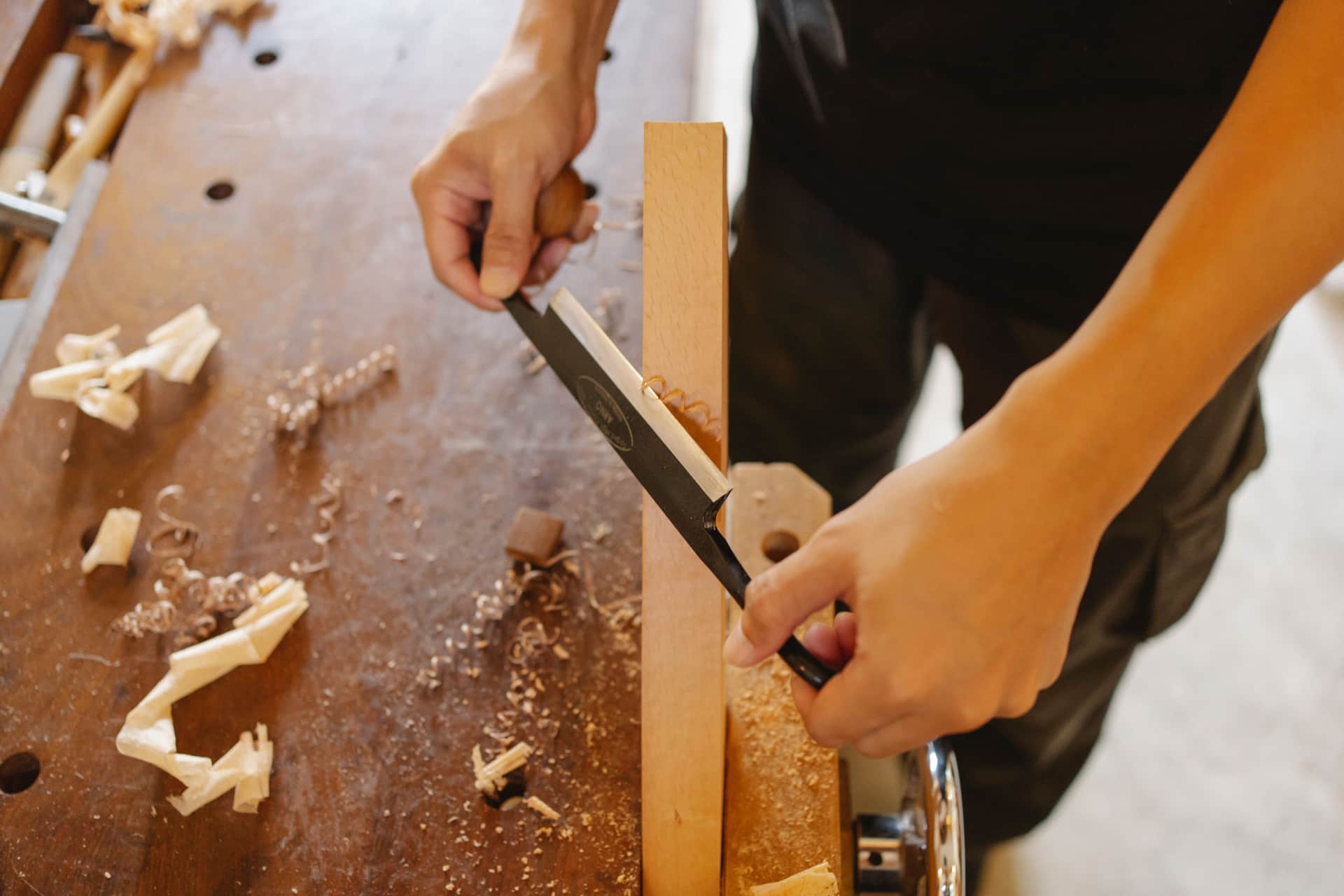
A buy-it-for-life tool is a promise, not a guarantee — the steel and the design give it the potential to last decades, but you are the one who cashes that in. The good news is that keeping hand tools alive takes minutes, not hours, and almost all of it is habit rather than skill. What follows is the routine that turns a well-made tool into an heirloom, broken into the moments where it actually matters: after each use, every so often, and once a season.
A quick word on why so little effort goes so far. Almost every way a hand tool dies early is slow and preventable: rust that starts as a haze and ends as a pit, a handle that loosens a hair at a time until it splits, an edge worn back to nothing by grinding away damage that a timely touch-up would have avoided. Maintenance is not about fixing tools; it is about never letting the small problems become the big ones. Spend the minutes and you will almost never spend the hours.
After every use
The single most valuable habit is the thirty seconds at the end of a session. Wipe each tool down to remove dust, sap, and the moisture your hands leave behind, then lay on a thin film of protection before it goes away. A wax or a light oil is enough — the point is a barrier between bare steel and the air. Our guide to cleaning and waxing hand tools covers what to use and how little it takes. Never put a damp tool away, and never store one with sap or glue still on the sole or the blade, because both trap moisture against the metal.
Keep rust from ever starting
Rust is the quiet killer of hand tools, and it is far easier to prevent than to remove. The two things that feed it are moisture and bare steel, so the after-use film handles most of the risk. The rest is the room. A workshop that swings from cold and damp to warm and humid will grow rust on everything unprotected, so aim to keep the space dry and the temperature steady, and add a dehumidifier or a few desiccant packs in a closed chest if your shop runs damp. If spots do appear, deal with them early; our guide to rust removal and prevention walks through catching it before it pits the steel.
Sharpen on a sensible cadence
A sharp edge is safer, cuts cleaner, and puts less strain on the tool and on you. You do not need a rigid schedule — you need to sharpen before the edge is truly gone, not after. The habit to build is the quick touch-up: a minute or two on a fine stone at the first sign of dullness keeps you off the coarse stones for months and removes far less steel over the tool's life, which matters when the steel is the thing you are preserving. If you are still choosing a setup, start with the best sharpening stones and learn one method well rather than owning three.
Store so the edges are protected
Most edge damage happens in storage, not in use, when tools knock against each other in a drawer. Give every edged tool a home where nothing steel touches its cutting edge — a slot, a rack, a rolled tool wrap, or a chest with fitted spots. Good storage also keeps dust and humidity off, which folds neatly into rust prevention. If you are deciding how to set yours up, our guide to how to store hand tools covers the trade-offs between open racks and closed chests.
Periodic checks
Every so often — call it once a month if you use the tools regularly — run a slower pass over the ones you reach for most. Handles and totes should be tight against their tools with no wobble; a loose handle is the start of a split. Wooden totes and knobs should be free of cracks, and any that are starting should be sealed or replaced before they let go under load. On planes, keep the adjuster threads clean and lightly lubricated so they turn without forcing, and check that screws and levers are snug but not strained. None of this takes long, and it catches the small problems while they are still small.
Once a season
A couple of times a year, give the collection a deeper look. Strip and renew the protective film on anything that has gone dry, re-wax bench tops and plane soles, and touch up any finish on wooden handles that is wearing thin. Check your storage for damp, replace tired desiccant, and flatten your sharpening stones if they have dished. Seasonal humidity swings are when neglected tools go bad, so a spring and fall pass is cheap insurance.
The checklist
- After each use: wipe off dust and moisture, then lay on a thin wax or oil film.
- Before storing: confirm the tool is dry and clean, with edges protected from other steel.
- Weekly to monthly: check handles and totes are tight and crack-free; clean and lube plane adjusters.
- At the first dull cut: a quick touch-up on a fine stone rather than a full regrind later.
- Each season: renew protective films, re-wax soles and tops, flatten stones, and check storage for damp.
- Whenever a spot appears: treat rust the day you see it, before it pits.
There is one more reason this routine pays off. A tool you have maintained is a tool a maker can stand behind — a cracked, rusted, neglected tool is a warranty claim that goes nowhere, while a cared-for one that fails on its merits is exactly what a good guarantee is for. It is worth knowing what your tools' support actually covers; our guide to warranties and repairability lays it out. Maintain the tool, and both the steel and the promise behind it stay good for the decades a buy-it-for-life tool is supposed to give you.
Questions
Frequently asked
How often should I wax or oil my hand tools?
Lay a thin film on any bare steel after each use, and renew it whenever the surface looks or feels dry — usually every few weeks in normal conditions, more often in a damp shop. The film is a barrier between steel and air, so the goal is simply to never leave metal exposed.
What is the fastest way to prevent rust in a damp workshop?
Keep bare steel covered with a light wax or oil film, and keep the room as dry and stable as you can. A dehumidifier, or desiccant packs inside a closed chest, handles the air; the after-use wipe handles the tool. Catch any spots the day they appear, before they pit the steel.
How do I know when a tool actually needs sharpening?
When the cut takes more force, tears the wood, or leaves a duller surface, the edge has gone. Do not wait for it to fail completely; a quick touch-up on a fine stone at the first sign of dullness removes almost no steel and keeps you off the coarse stones for months.
Do I need special products to maintain hand tools?
No. A rag, a light oil or paste wax, a fine sharpening stone, and dry storage cover almost everything. The habit matters far more than the brand of wax. Save the money you would spend on gadgets and put it toward one good stone you will actually use.
Keep reading
Related
- How to store hand toolsStorage that protects edges is half of maintenance; set yours up right.
- Cleaning and waxing hand toolsThe after-use wipe and film, with the products that actually earn a place.
- Rust removal and preventionCatch and treat rust early, before a haze turns into a pit.
- What makes a tool buy it for lifeThe traits that make a tool worth this care in the first place.
Back to Buy It For Life · how we pick · editorial policy