We earn a commission when you buy through our Amazon links, at no extra cost to you. It never decides a ranking, and where the best tool in a class is one we earn nothing on, we say so and link it anyway. How this works.
A universal-tooth hardpoint saw that cuts with and across the grain adequately and neither exceptionally. It is the saw you own so you never have to think about owning a saw.
Japanese-pattern teeth from a company with a US distribution and parts presence, which solves the single most annoying thing about buying a pull saw: finding a blade for it later.
Gyokucho's hardwood-specific tooth geometry, which is a real distinction rather than a marketing one: fewer, stouter teeth that survive dense timber instead of stripping.
#ad· Live prices from the Amazon Product API, as of November 22, 2026. Where we have no verified live price we show none, and the cost-per-decade figure is suppressed with it — we would rather leave a gap than print a number that has rotted.
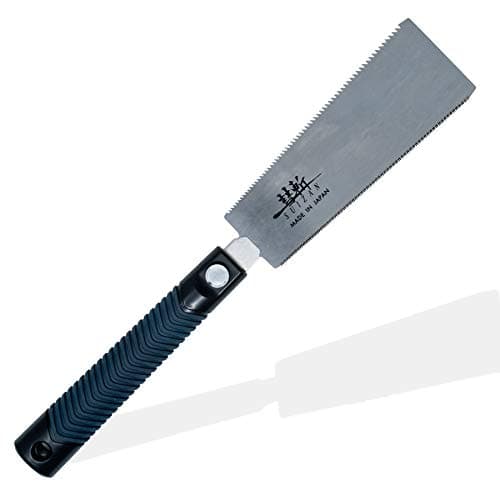
The verdict: buy the 7 in SUIZAN ryoba first. It is the right first saw for anyone learning joinery at a bench: a double-edged pull saw with rip teeth on one side and crosscut on the other, small enough to steer accurately while your technique is still arriving, with replacement blades sold by the maker and a published 30-day defect warranty behind it. The budget pick is the Gyokucho Razor Dozuki at under twenty dollars — the cheapest saw on this site that cuts a clean joint, and the right answer if the first saw has to be nearly free. Prices below are live, with the date they were checked.
This page is ranked on something the best hand saws does not use as a criterion: how easily you recover from a bad cut. A beginner's first saw will be dropped, forced, twisted and asked to do a job it was not made for. That makes small better than big, replaceable better than precious, and cheap better than fine — which produces a different order and a different winner.
Why the first saw should be small
Every sawing mistake is the same mistake: the plate leaves the line and you correct it by twisting, which binds the saw and widens the kerf, which makes the next inch worse. The shorter the stroke and the lighter the saw, the earlier you notice and the smaller the correction.
A 7 in blade also removes the second beginner trap, which is running out of saw. On small work — a box, a drawer, a practice dovetail — a 9.5 in ryoba is simply more saw than the cut needs, and the extra length is extra leverage to steer with. The technique itself, including how to start a cut without jumping, is on how to use a hand saw.
The second principle is that a first saw should be replaceable. Two of the six here have blades the maker sells separately, which turns a ruined plate into a ten dollar lesson instead of the end of the tool.
The first saw: SUIZAN ryoba, 7 in
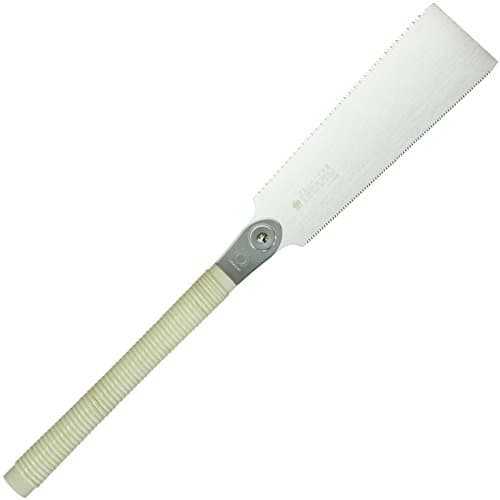
Rip teeth down one edge, crosscut down the other, impulse-hardened and replaceable, on the pull stroke. It is much easier to steer accurately than the 9.5 in version, and it is a genuinely good first pull saw provided the work is small.
Depth of cut is limited by the plate height, the teeth are unsharpenable like every impulse hardened saw, and it is slower through thick stock. If you are breaking boards down rather than cutting joints, buy the 9.5 in instead and accept that it is harder to control — running out of blade depth on the first cut is worse. Which edge does what is on which side of a ryoba do you use.
The western saw to learn the push stroke on
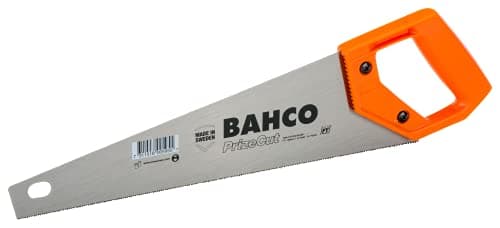
The Bahco Prizecut is a 15 in toolbox handsaw with 11 TPI hardpoint teeth, a comfortable handle and a plate stiff enough to steer. It cuts far better than its price suggests, 11 TPI is a sensible general-purpose compromise, and it is short enough to live in a toolbox.
Hardpoint teeth cannot be filed and there is no replacement plate, so when it dulls it is scrap. That is the definition of a consumable tool, and for a beginner it is the right kind of consumable: it costs about what a tank of fuel costs and it teaches the push stroke without anybody worrying about the saw.
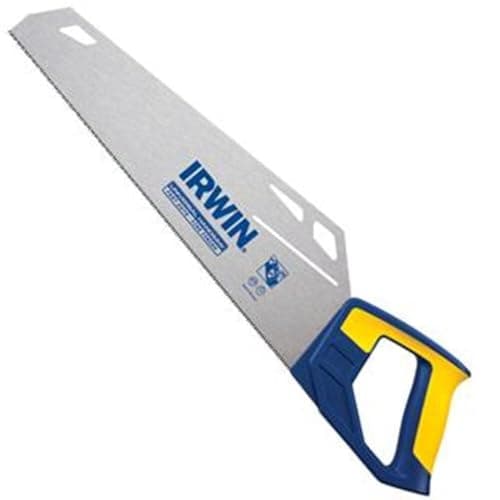
The IRWIN Universal 20 in is the same argument stretched: universal teeth that rip and crosscut passably and neither exceptionally, a comfortable handle for long cuts, and a plate thin enough to flex if you push hard. It is the saw you own so you never have to think about owning a saw, and it is a carpentry saw rather than a joinery one. Which teeth suit which cut is on rip vs crosscut teeth.
The budget pick, and the one that cuts a joint
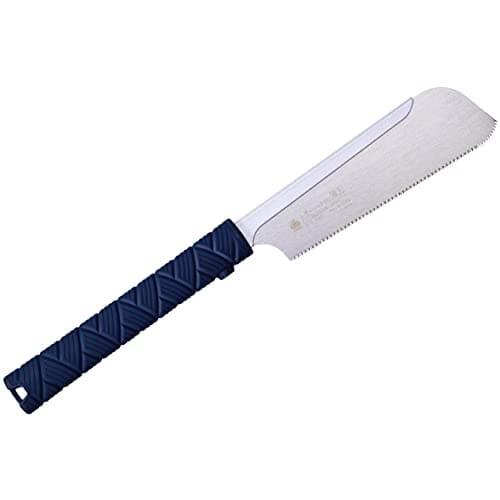
The Gyokucho Razor Dozuki is under twenty dollars and will cut a dovetail accurately out of the packet. For a beginner that matters more than it looks: the usual reason a first dovetail fails is that the saw wandered, and a backed dozuki does not wander. The handle is basic, US availability of a replacement blade for this model is patchy, and nobody hands it down.
Buy it to learn on, and buy the saw you actually want once you know which joints you cut. That is a better sequence than buying a premium dovetail saw first and learning on something you are frightened of. The field it sits at the bottom of is the best dovetail saws.
Two step-ups, and when to take them
The Shark Corp 10-2440 is a Japanese-pattern fine-cut saw from a company with real US distribution and a parts presence, which solves the single most annoying thing about owning a pull saw: finding a blade for it two years later. The cut is not as refined as a Gyokucho or a SUIZAN and the handle is utilitarian. As a second saw it is the practical choice rather than the best one.
The Gyokucho Razorsaw ryoba is the hardwood step-up, and the distinction is real rather than marketing: fewer, stouter teeth that survive dense timber instead of stripping. It cuts cleaner in oak and maple than a general-purpose ryoba and is slower in softwood, so it is the wrong first saw if you are practising on construction lumber — which most people sensibly are. The two brands head to head are on SUIZAN vs Gyokucho.
What a beginner should not buy first
A premium filed backsaw. A Sheffield tenon saw or a gents saw can be sharpened and set for the rest of your life, which is the whole argument for them — and unsharpened, out of the box, a filed saw cuts worse than a fifteen dollar dozuki. Buying one before you can file it means owning a saw that disappoints you for a reason you cannot yet diagnose. Buy it second, with how to sharpen a hand saw open on the bench.
Also not a full-size rip saw. Ripping by hand is the single hardest thing to do accurately with a saw and the easiest thing to do badly for an hour. Crosscut first. How the whole field divides up is on how to choose a hand saw.
Every pick, in full
The write-ups
01The ryoba for small work and small hands
Length
7 in
Teeth
Rip and crosscut edges
Blade
Impulse hardened, replaceable
Action
Pull stroke
SUIZAN Ryoba Double Edge Pull Saw, 7 in
SUIZAN
8.4/10
The same saw at a size that suits joinery and box work better than breaking down stock. Easier to control, less capacity.
Cost per decade
$14.74
Horizon · tier C
20 years — No lifetime warranty; parts purchasable and resharpenable
The teeth are impulse-hardened and cannot be filed, so the blade is a consumable — but the maker sells replacement blades directly for this model. The handle and spine are the durable part; the blade is a scheduled purchase, not a failure.
Rebuy risk
High
parts listed
Cut quality
9.0
Blade life
8.0
Control
8.5
Renewability
8.0
Value
8.5
What it gets right
+Much easier to steer accurately than the 9.5 inch
+Replacement blades available from the maker
+Good first pull saw if the work is small
What it costs you
−Depth of cut is limited by the plate height
−Same unsharpenable teeth as the larger version
−Slower through thick stock
Skip this if…
…you are breaking down boards. Buy the 9.5 inch; you will run out of blade depth immediately.
Hardpoint teeth, a comfortable handle, and a plate stiff enough to steer. It is a disposable saw that outperforms its price by a wide margin.
Cost per decade
$33.24
Horizon · tier D
10 years — No warranty and no parts availability found
Impulse-hardened teeth cannot be resharpened, and we could not find a replacement blade listing for this model at the date checked. When the teeth go, the saw goes — which is what the rating below is telling you.
Rebuy risk
High
none of the three met
Cut quality
7.5
Blade life
7.0
Control
7.0
Renewability
3.0
Value
9.5
What it gets right
+Cuts far better than the price suggests
+11 TPI is a sensible general-purpose compromise
+Short enough to live in a toolbox
What it costs you
−Hardpoint teeth cannot be filed
−No replacement blade; when it dulls, it is scrap
−Not a fine joinery saw
Skip this if…
…you want a saw that lasts. Hardpoint plus no replacement plate is the definition of a consumable tool.
03The cheapest saw here that cuts a clean dovetail
Type
Dozuki, backed
Teeth
Fine crosscut, impulse hardened
Model
770-3500
Action
Pull stroke
Gyokucho Razor Dozuki Saw with Blade
Gyokucho
7.5/10
Under twenty dollars for a saw that will cut joinery accurately. There is no comparable western backsaw at this price, and it is not close.
Cost per decade
$17.95
Horizon · tier D
10 years — No warranty and no parts availability found
Impulse-hardened teeth cannot be resharpened, and we could not find a replacement blade listing for this model at the date checked. When the teeth go, the saw goes — which is what the rating below is telling you.
Rebuy risk
High
none of the three met
Cut quality
8.5
Blade life
7.0
Control
8.5
Renewability
4.0
Value
9.5
What it gets right
+Extraordinary value; nothing western competes at this price
+Genuinely accurate for joinery straight out of the packet
+Cheap enough that a kinked plate is annoying rather than expensive
What it costs you
−Handle is basic
−Replacement blade availability for this specific model is patchy in the US
−Not a saw anyone hands down
Skip this if…
…you are buying for life. Buy this to learn on and a better one when you know what you want.
A universal-tooth hardpoint saw that cuts with and across the grain adequately and neither exceptionally. It is the saw you own so you never have to think about owning a saw.
Cost per decade
$26.99
Horizon · tier D
10 years — No warranty and no parts availability found
Impulse-hardened teeth cannot be resharpened, and we could not find a replacement blade listing for this model at the date checked. When the teeth go, the saw goes — which is what the rating below is telling you.
Rebuy risk
High
none of the three met
Cut quality
6.5
Blade life
7.0
Control
6.5
Renewability
3.0
Value
9.0
What it gets right
+Genuinely does both rip and crosscut passably
+Handle is comfortable for extended cutting
+Cheap and available everywhere
What it costs you
−Universal teeth are a compromise in both directions
−Hardpoint, so unsharpenable
−Plate is thin enough to flex if you push hard
Skip this if…
…your work is fine joinery. This is a carpentry saw and does not pretend otherwise.
Japanese-pattern teeth from a company with a US distribution and parts presence, which solves the single most annoying thing about buying a pull saw: finding a blade for it later.
Cost per decade
$15.93
Horizon · tier C
20 years — No lifetime warranty; parts purchasable and resharpenable
The teeth are impulse-hardened and cannot be filed, so the blade is a consumable — but the maker sells replacement blades directly for this model. The handle and spine are the durable part; the blade is a scheduled purchase, not a failure.
Rebuy risk
High
parts listed
Cut quality
8.0
Blade life
8.0
Control
7.5
Renewability
8.5
Value
8.5
What it gets right
+Replacement blades are easy to find in the US
+Cuts cleanly for trim, flush cuts and general fine work
+Long-established model with a stable blade format
What it costs you
−Not as refined a cut as a Gyokucho or SUIZAN
−Handle is utilitarian
−Unsharpenable teeth
Skip this if…
…you want the finest cut available. Buy the dozuki; this is the practical choice, not the best one.
Gyokucho's hardwood-specific tooth geometry, which is a real distinction rather than a marketing one: fewer, stouter teeth that survive dense timber instead of stripping.
Cost per decade
$19.00
Horizon · tier C
20 years — No lifetime warranty; parts purchasable and resharpenable
The teeth are impulse-hardened and cannot be filed, so the blade is a consumable — but the maker sells replacement blades directly for this model. The handle and spine are the durable part; the blade is a scheduled purchase, not a failure.
Rebuy risk
High
parts listed
Cut quality
9.5
Blade life
8.5
Control
8.0
Renewability
7.5
Value
8.5
What it gets right
+Tooth geometry genuinely optimized for dense hardwood
+Gyokucho blades are a long-established standard in Japan
+Cuts cleaner in oak and maple than a general-purpose ryoba
What it costs you
−Slower in softwood than a softwood-geometry saw
−Replacement blade availability varies by model in the US
−Unsharpenable teeth
Skip this if…
…you mostly cut pine and construction lumber. The hardwood geometry works against you there.
Two saws is the right first purchase, not one. A small ryoba or dozuki for joinery and a cheap western handsaw for breaking stock down. Together they cost less than one good backsaw and they cover both stroke directions, which is the thing you are actually learning.
Buy a replaceable blade if you can. SUIZAN and Shark both sell replacement plates for the saws here. A ruined plate then costs ten dollars rather than the tool, which is exactly the insurance a beginner wants.
Do not buy hardpoint teeth expecting to sharpen them. Hardpoint and impulse-hardened teeth are hardened past the point a file will cut. They stay sharp longer and then they are finished. That is fine for a first saw and wrong for a last one.
Spend the saved money on a square and a marking knife. Accuracy in sawing starts before the saw touches the wood: a knifed line gives the teeth somewhere to start and is most of the difference between a clean shoulder and a fuzzy one. See the best woodworking squares.
Questions
Frequently asked
What hand saw should a beginner buy first?+
A 7 in ryoba — a double-edged Japanese pull saw with rip teeth on one side and crosscut on the other. It is small enough to steer while your technique is arriving, it covers both kinds of cut in one tool, and the maker sells replacement blades, so a ruined plate is a cheap lesson.
How many saws does a beginner need?+
Two. A small pull saw for joinery and a cheap western handsaw for cutting stock to rough length. Both together cost less than one premium backsaw and they teach both stroke directions, which is the thing a third saw would not add.
Should a beginner start with a Japanese or a western saw?+
Japanese, for joinery. The pull stroke puts the plate in tension so it cannot buckle, which makes a thin accurate plate possible and means the saw does more of the tracking for you. Learn the push stroke on a cheap western handsaw at the same time, because carpentry still needs it.
Is an expensive saw easier to use?+
A premium filed saw is not easier until it has been sharpened and set, which is a skill in itself. Out of the box a twenty dollar dozuki out-cuts it. Buy the cheap accurate saw first and the renewable saw second, in that order.
Why does my saw wander off the line?+
Almost always one of three things: no knifed start line, too much downward pressure, or a correction made by twisting the plate. Let the saw's weight do the cutting, start in a knife line, and if the cut drifts, stop and restart rather than steering out of it.
We have not handled these tools. Nobody here has tested one, owned one, or taken one apart. Specifications come from the manufacturer or the retailer listing; warranty terms come from the maker's own warranty page; the cost-per-decade arithmetic is ours and reproducible. Where we could not verify a figure we say so on the page rather than quietly leaving it out. Read the full method.