We earn a commission when you buy through our Amazon links, at no extra cost to you. It never decides a ranking, and where the best tool in a class is one we earn nothing on, we say so and link it anyway. How this works.
Our top pick
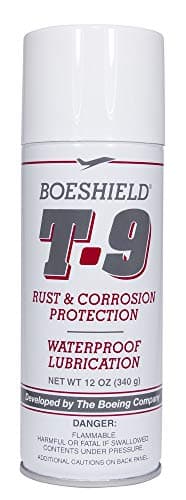
Boeshield T-9 Rust and Corrosion Protection, 12 oz
A waxy film that displaces moisture and stays put. Developed for aircraft, adopted by woodworkers because a plane sole treated with it does not rust and still slides.
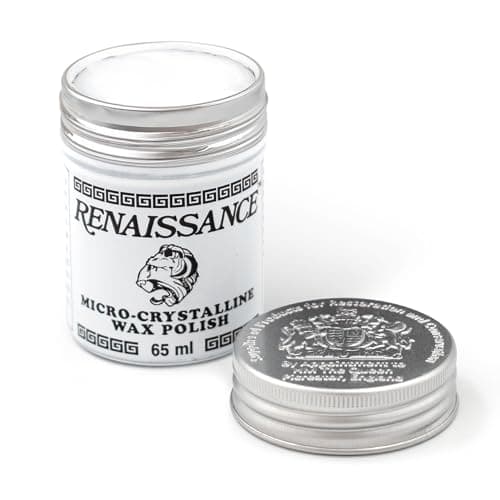
A microcrystalline wax developed for museum conservation. It leaves no acidic residue, does not yellow, and a 65 ml tin will outlast the tools you put it on.
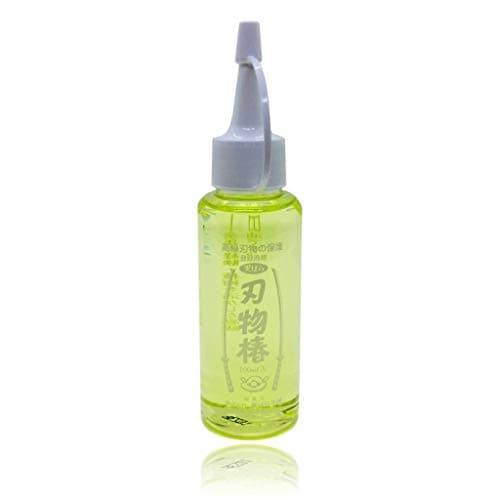
The oil Japanese toolmakers specify for their own tools: non-drying, non-gumming, and it will not ruin a glue joint or a finish the way a petroleum oil can.
The traditional answer, and the one that will not contaminate work
#ad· Live prices from the Amazon Product API, as of November 22, 2026. Where we have no verified live price we show none, and the cost-per-decade figure is suppressed with it — we would rather leave a gap than print a number that has rotted.
The verdict: buy Boeshield T-9 for the tools you actually use. It is a waxy film that displaces existing moisture rather than sealing it in, it stays put, and it dries to a film that does not transfer to your workpiece — which is the whole problem with oiling a plane sole. The budget pick is Kurobara pure tsubaki camellia oil, the cheapest thing here and the only one that cannot spoil a glue joint or a finish, which makes it the right answer for blades, irons and saw plates. Prices below are live from the Amazon Product API with the date they were checked.
This page ranks protection, not repair. If the tool is already rusty, nothing here will fix it — that is a different product and a different page, and it is covered on rust removal and prevention and in the full kit on the restoration kit. Take the rust off first, then come back here and decide what goes on afterwards, because a bare, freshly stripped surface will flash-rust within hours.
Why tools rust, and why that decides the product
Rust needs three things at once: iron, oxygen and water. You cannot remove the iron and you are not going to remove the oxygen, so every product on this page does the same single job — it puts a barrier between the steel and the water in the air. That is the entire mechanism, and it is why the arguments between waxes, oils and films are narrower than the marketing suggests.
What actually separates them is four things, and they are the criteria this page is ranked on, in order.
What it leaves on the surface. This is the first question and most people never ask it. A film that transfers to the workpiece will show up under a finish or kill a glue joint. A film that sits proud will drag. A film that dries hard will need removing before you can re-flatten a sole.
How long it lasts before it has to be redone. A protectant you reapply every session suits a tool in weekly use and is hopeless on something going into a drawer for two years. The reverse is also true, and buying the wrong one of the two is the commonest mistake here.
Whether it is chemically neutral. Some products leave an acidic residue that slowly attacks the surface they were meant to protect, which is the opposite of the point. Conservation-grade products are formulated specifically not to.
Whether it can contaminate work. Petroleum oils and silicone-bearing sprays are the classic cause of fisheye in a finish and of a glue joint that will not hold. If the surface touches timber that will later be glued or finished, this criterion outranks the other three.
Notice what is not a criterion: how long a maker says the protection lasts. Nobody publishes a test you can compare, the shops they were tested in are not your shop, and the variable that dominates all of it is the humidity where the tool lives. We rank on what the product is and what it leaves behind, which are knowable, rather than on a duration claim that is not.
For tools in use: Boeshield T-9
A waxy film that was developed for aircraft and adopted by woodworkers for a specific reason: a plane sole treated with it does not rust and still slides. That combination is rarer than it sounds, because most of what stops rust also adds drag or transfers to the work.
The mechanism worth knowing is that it displaces existing moisture rather than sealing it in. That matters on a tool coming in from a cold van or out of a damp cellar, where a straight barrier coating traps a film of condensation underneath itself and you get rust under the protection. It also doubles as a light lubricant, and one 12 oz can will cover a workshop of tools and machine tables.
The honest cons. It is an aerosol, so the overspray gets everywhere — mask off anything you care about, and do not spray it near a finishing bench. It needs reapplying every few months in a damp shop. And it is not suitable on any surface that will be finished or glued, which rules it out for wooden totes, knobs and handles. For those, and for anything that touches the work, use the camellia oil below.
For tools going into storage: Renaissance Wax
A microcrystalline wax developed for museum conservation, and the conservation pedigree is the specification rather than the marketing. It leaves no acidic residue and it does not yellow, which is exactly what you want on something that will sit untouched for years: a protectant that is chemically doing nothing at all to the surface underneath it.
It also works on the tote and the knob as well as the casting, so a plane going into a drawer can be done in one pass rather than two products. A 65 ml tin will outlast the tools you put it on — you are using a smear, not a coat.
Against it: it is expensive per millilitre compared with ordinary paste wax, and it is not a substitute for oil on a tool in constant use — a wax film wears through at the contact points first, which on a plane is exactly the sole. In a humid shop it still needs reapplying periodically. If the tool lives in a damp garage and gets used weekly, this is the wrong product and the Boeshield is the right one. The technique for applying it is on cleaning and waxing hand tools.
The budget pick, and the one that cannot spoil your work: camellia oil
Pure tsubaki camellia oil is the oil Japanese toolmakers specify for their own tools, and the property that earns it a place here is negative rather than positive: it will not contaminate a glue joint or a finish the way a petroleum oil can. It is non-drying and non-gumming, so it also does not turn into the sticky brown varnish you find on a neglected tool that was oiled thirty years ago with whatever was under the sink.
That makes it the correct choice for blades, plane irons and saw plates — the surfaces that touch the timber. It is also the cheapest thing on this page by a wide margin, and a small bottle lasts an extremely long time because the application is a wiped film, not a pour. On Japanese tools specifically it is the traditional answer and the one the makers assume you are using.
The trade is durability. An oil film is less durable than a waxy one for long-term storage and needs reapplying after every serious session — it is a working protectant, not a storage one. It is also more expensive per volume than plain mineral oil, which does a similar job slightly less well and is not in this registry. If the tool is going into a box for five years, use the wax or the Boeshield instead.
What is not on this page, and why
Rust removers. Evapo-Rust and the rest take rust off; they do not keep it off, and ranking them here would answer a different question. The chelating bath is the first thing to buy for a rusty plane and is covered on the restoration kit and in method form on how to restore a hand plane. The one thing to carry across from there: parts flash-rust within hours of coming out of the bath, so one of the three products above has to be on the bench before you start, not ordered afterwards.
Abrasives and brushes. Scotch-Brite pads, wet-and-dry paper and brass brushes are surface preparation. They belong to the removal job.
Anything we cannot link. The registry holds exactly three protectants and this page ranks all three. Paste wax, jojoba oil, VCI paper and the various camellia-oil-in-a-pump-bottle products are all legitimate answers; none of them is in our product registry with a verified listing, so none is recommended here. We would rather rank three honestly than pad the list.
How to actually use them
The application is less fussy than the internet makes it, and three rules cover it.
Clean and dry first. Every one of these is a barrier, and a barrier applied over moisture or over existing rust seals in the problem. The Boeshield is the most forgiving on this point because it displaces moisture, but none of them is a substitute for wiping the tool down.
Thin is correct. A smear of wax buffed back, a wiped film of oil, a short burst of spray wiped out. A thick coat of anything attracts dust, drags on the work and takes longer to fail than a thin one only in the sense that it is still there being useless.
Match the product to where the tool lives, not to the tool. This is the single most useful line on the page. A plane in a heated workshop used every weekend wants oil or Boeshield. The same plane in an unheated garage going into winter wants wax. The routine that keeps on top of it is on the hand tool maintenance checklist, and the storage decisions that prevent most of the problem in the first place are on how to store hand tools.
Every pick, in full
The write-ups
01Protecting a tool that gets used, not stored
Volume
12 oz aerosol
Type
Waxy film, moisture displacing
Use
Tool surfaces and machine tables
Also
Light lubricant
Boeshield T-9 Rust and Corrosion Protection, 12 oz
Boeshield
8.5/10
A waxy film that displaces moisture and stays put. Developed for aircraft, adopted by woodworkers because a plane sole treated with it does not rust and still slides.
Cost per decade
$21.45
Horizon · tier D
10 years — No warranty and no parts availability found
This is a consumable, not a tool: it is used up. The horizon is the floor value and the rating below is accurate rather than unkind — you will buy this again, and the cost-per-decade figure is only useful for comparing one consumable against another.
Rebuy risk
High
none of the three met
Effectiveness
9.0
Handling
7.5
Coverage
9.0
Value
8.5
What it gets right
+Displaces existing moisture rather than sealing it in
+Leaves a genuinely dry film that does not transfer to workpieces
+One can covers a workshop of tools and machine tables
What it costs you
−Aerosol overspray gets everywhere
−Needs reapplying every few months in a damp shop
−Not suitable on a surface that will be finished or glued
Skip this if…
…you need something food-safe or finish-safe. Use camellia oil instead.
Price as of November 22, 2026. Prices move; Amazon's is the one that counts.
#ad · we may earn a commission from this link to Boeshield T-9 Rust and Corrosion Protection, 12 oz
02The finish that stops it rusting again
Volume
65 ml
Type
Microcrystalline wax
Residue
Neutral, non-yellowing
Use
Metal and wood protection
Renaissance Micro-Crystalline Wax Polish, 65 ml
Renaissance
8.3/10
A microcrystalline wax developed for museum conservation. It leaves no acidic residue, does not yellow, and a 65 ml tin will outlast the tools you put it on.
Cost per decade
$25.98
Horizon · tier D
10 years — No warranty and no parts availability found
This is a consumable, not a tool: it is used up. The horizon is the floor value and the rating below is accurate rather than unkind — you will buy this again, and the cost-per-decade figure is only useful for comparing one consumable against another.
Rebuy risk
High
none of the three met
Effectiveness
9.0
Handling
9.0
Coverage
8.0
Value
7.0
What it gets right
+Neutral chemistry, so it will not attack the surface it protects
+A tiny amount covers a whole plane; the tin lasts years
+Works on the tote and knob as well as the casting
What it costs you
−Expensive per milliliter compared with paste wax
−Not a substitute for oil on a tool in constant use
−Needs reapplying periodically in a damp shop
Skip this if…
…the tool lives in a humid garage and gets used weekly. Use oil; wax is for storage and display surfaces.
Price as of November 22, 2026. Prices move; Amazon's is the one that counts.
#ad · we may earn a commission from this link to Renaissance Micro-Crystalline Wax Polish, 65 ml
03The traditional answer, and the one that will not contaminate work
Volume
3.4 oz
Type
Pure camellia (tsubaki) oil
Behavior
Non-drying, non-gumming
Use
Blades, irons, saw plates
Kurobara Pure Tsubaki Camellia Oil, 3.4 oz
Kurobara
8.5/10
The oil Japanese toolmakers specify for their own tools: non-drying, non-gumming, and it will not ruin a glue joint or a finish the way a petroleum oil can.
Cost per decade
$8.39
Horizon · tier D
10 years — No warranty and no parts availability found
This is a consumable, not a tool: it is used up. The horizon is the floor value and the rating below is accurate rather than unkind — you will buy this again, and the cost-per-decade figure is only useful for comparing one consumable against another.
Rebuy risk
High
none of the three met
Effectiveness
8.5
Handling
9.5
Coverage
7.5
Value
8.5
What it gets right
+Will not contaminate a glue joint or a finish
+Does not gum up the way old petroleum oils do on stored tools
+A small bottle lasts an extremely long time
What it costs you
−Less durable protection than a waxy film for long-term storage
−More expensive per volume than mineral oil
−Needs reapplying after every serious session
Skip this if…
…the tool is going into a box for five years. Use wax or Boeshield for storage; camellia is for tools in use.
Buy for where the tool lives, not for what it is. Daily use in a heated shop: camellia oil or Boeshield. Months in an unheated space: Renaissance Wax. A tool that goes in and out of a cold vehicle: Boeshield, because it displaces the condensation the others would seal in.
Anything that touches the timber gets camellia oil. Plane irons, chisel backs, saw plates. It is the one product here that cannot spoil a glue joint or cause fisheye in a finish, and that outranks durability on those surfaces.
Do not put aerosol film on wood. Totes, knobs and handles want wax. The Boeshield is explicitly not for surfaces that will be finished, and a plane handle is a finished surface.
Buy the protectant before you buy the rust remover. Stripped steel flash-rusts within hours, so the thing that goes on afterwards has to already be in the shop. This is the most common sequencing mistake in a first restoration.
One tin and one bottle is a lifetime supply for most people. These are wiped films measured in smears. Buying the big can of anything here is usually buying storage, not protection.
Questions
Frequently asked
What is the best rust prevention for hand tools?+
Boeshield T-9 for tools in regular use: it displaces existing moisture rather than sealing it in, dries to a film that does not transfer to the workpiece, and still lets a plane sole slide. For tools going into storage, Renaissance Wax; for blades and irons that touch timber, camellia oil.
Is wax or oil better for preventing rust on tools?+
Wax lasts longer and suits storage; oil is easier to renew and suits tools in use. A wax film wears through at the contact points first, which on a plane is the sole, so a tool used weekly wants oil or a waxy spray film rather than a paste wax.
Will rust protection ruin a glue joint or a finish?+
Petroleum oils and silicone-bearing sprays can, which is the usual cause of fisheye in a finish and of a joint that will not hold. Camellia oil is the one product here that cannot — it is non-drying and non-gumming and will not contaminate work — which is why it is the right choice for plane irons and saw plates.
What should I put on a plane after removing rust?+
Something, immediately. Freshly stripped steel flash-rusts within hours of coming out of a rust bath, so have the protectant on the bench before you start. Camellia oil on the iron, Boeshield or wax on the casting, wax on the tote and knob.
How often do I need to reapply?+
Camellia oil after every serious session; Boeshield every few months in a damp shop; Renaissance Wax periodically, and less often the drier the storage. Nobody publishes a comparable test and the dominant variable is the humidity where your tools live, so treat all three as "check it when you pick the tool up".
Does a rusty tool need replacing?+
Almost never. Surface rust comes off without touching the parent metal and the tool is unharmed; what cannot be undone is pitting, where the metal is already gone. That distinction, and how to judge it before buying a secondhand tool, is on buying used hand tools.
We have not handled these tools. Nobody here has tested one, owned one, or taken one apart. Specifications come from the manufacturer or the retailer listing; warranty terms come from the maker's own warranty page; the cost-per-decade arithmetic is ours and reproducible. Where we could not verify a figure we say so on the page rather than quietly leaving it out. Read the full method.