We earn a commission when you buy through our Amazon links, at no extra cost to you. It never decides a ranking, and where the best tool in a class is one we earn nothing on, we say so and link it anyway. How this works.
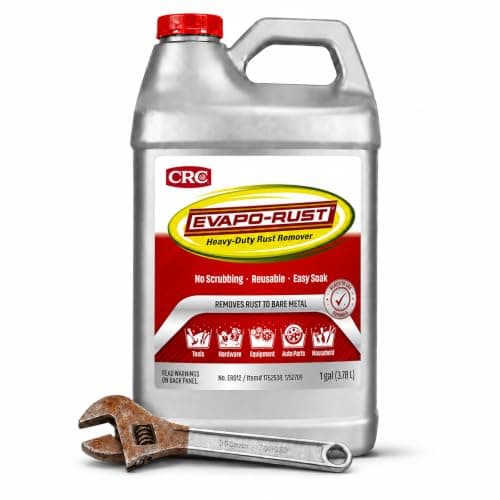
A chelating bath that removes rust without acid, without scrubbing and without touching the parent metal. Drop the parts in, come back tomorrow, and the rust is gone and the japanning is not.
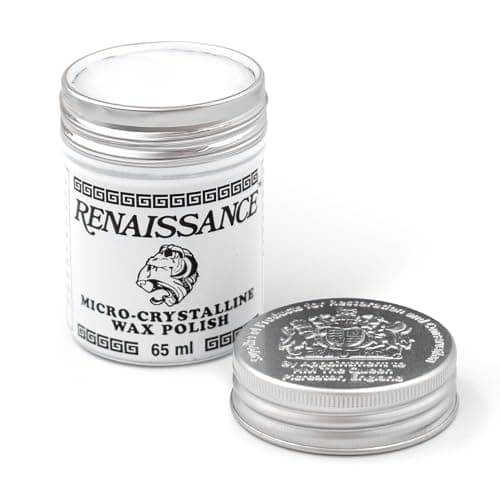
A microcrystalline wax developed for museum conservation. It leaves no acidic residue, does not yellow, and a 65 ml tin will outlast the tools you put it on.
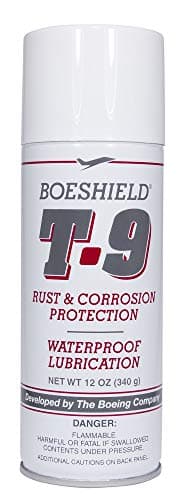
A waxy film that displaces moisture and stays put. Developed for aircraft, adopted by woodworkers because a plane sole treated with it does not rust and still slides.
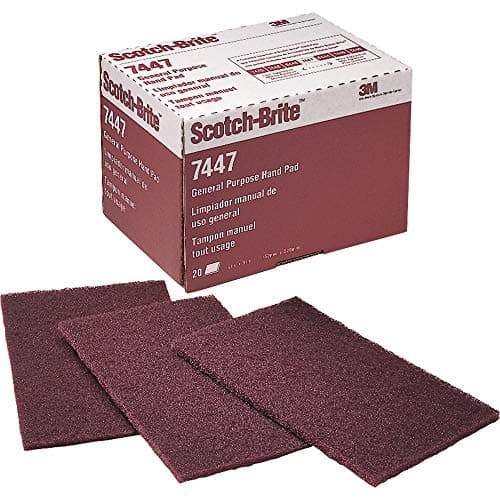
Non-woven abrasive pads that lift rust residue and old grime without cutting into the parent metal the way steel wool and sandpaper do. The right tool between the rust bath and the wax.
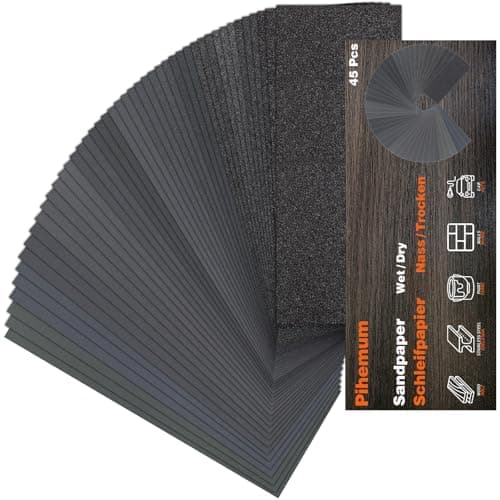
The cheapest way to flatten a plane sole: sandpaper on float glass. A grit range this wide covers the whole job from initial flattening to a polished sole.
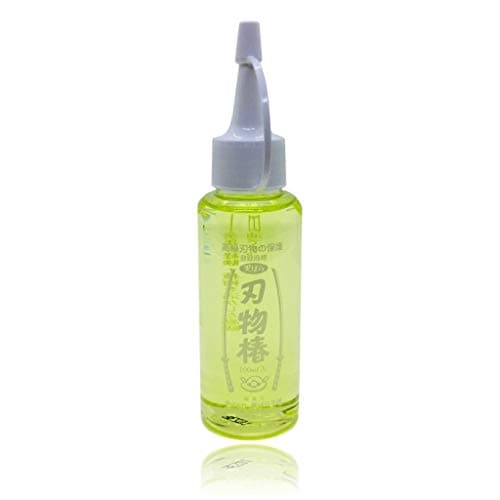
The oil Japanese toolmakers specify for their own tools: non-drying, non-gumming, and it will not ruin a glue joint or a finish the way a petroleum oil can.
The traditional answer, and the one that will not contaminate work
#ad· Live prices from the Amazon Product API, as of October 21, 2026. Where we have no verified live price we show none, and the cost-per-decade figure is suppressed with it — we would rather leave a gap than print a number that has rotted.
A note before the list, because it matters for how you read the ratings below.
Almost everything on this page is a consumable. Rust remover gets used up. Wax gets used up. Sandpaper certainly gets used up. On a site organized around what lasts, these all rate tier D and carry a high rebuy risk, and that is accurate rather than unkind: you will buy these again.
The reason they are here anyway is that restoration is the cheapest genuine route to a buy-it-for-life tool. Roughly $80 of supplies will restore several planes, and each restored plane is a hundred-year-old casting that will outlive you. The consumables are the cost of converting a $25 flea-market find into a tool better than most things sold new under $120.
The sequence
Buy in this order, and use them in this order. Several steps depend on the ones before them.
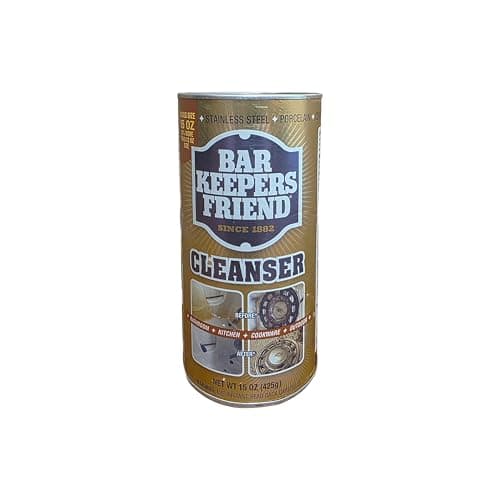
1. A pre-clean.Bar Keepers Friend or similar takes off loose surface rust and grime so the rust bath only has to deal with what is genuinely stuck. It is oxalic acid in a mild abrasive, it costs almost nothing, and it does real work. Rinse and dry immediately — left on, it etches.
2. The rust bath. Evapo-Rust is a chelating remover: it binds to iron oxide and lifts it away without touching sound metal, paint or japanning. Drop the parts in, come back the next day, and the rust is gone and the finish is not. Acid-based removers work faster and will strip japanning and etch the casting, which is why we recommend the slow one.
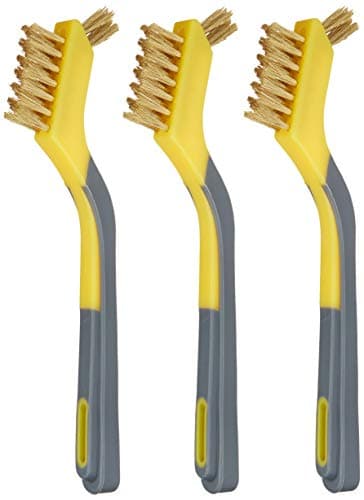
3. Abrasive cleanup. Non-woven pads for the flat surfaces and brass brushes for threads, the frog seat and the corners. Brass is softer than the casting so it cannot scar anything. Avoid steel wool, which leaves steel fibers embedded in the surface that then rust.
4. Lapping the sole. Wet-dry sandpaper on float glass. Sole lapping eats sheets, which is why the multi-grit assortment is on this list. Method is on how to restore a hand plane.
5. Protection.This is where the decision is. Boeshield T-9 for tools in use — it displaces moisture and leaves a dry waxy film that does not transfer to workpieces. Renaissance wax for storage and for surfaces you want to look good; it is a conservation-grade microcrystalline wax with neutral chemistry. Camellia oil for blades and saw plates, because it will not contaminate a glue joint or a finish the way petroleum oils can.
What you already have
Old toothbrushes, cotton rags, a plastic tub big enough for a plane body, and a screwdriver that actually fits the screws. That last one matters more than it sounds: the wide, thin slots on vintage plane hardware are chewed up by modern tapered screwdrivers, and a hollow-ground gunsmith bit or a properly fitting flat driver saves the original screws.
What to skip
Electrolysis rigs. They work beautifully and they are a project in themselves. For one or two planes, a tub of Evapo-Rust is faster all-in.
Wire wheels on a bench grinder. Fast, and they will erase japanning, soften casting edges and destroy any value the tool had. Save them for hardware that is already ruined.
Paint stripper. Only if you have decided to re-japan, which is a different and much larger project. Original japanning in poor condition still protects the casting and still looks better than a bad respray.
Any abrasive on a collectible. If the tool is rare and the finish is original, the correct treatment is oil and nothing else. See buying used hand toolsfor telling a user from a collector's piece.
Every pick, in full
The write-ups
01The first thing to buy for a rusty plane
Volume
128 oz
Type
Chelating, water-based
Action
Immersion, no scrubbing
Reusable
Yes, until exhausted
Evapo-Rust Heavy Duty Rust Remover, 128 oz
Evapo-Rust
9.0/10
A chelating bath that removes rust without acid, without scrubbing and without touching the parent metal. Drop the parts in, come back tomorrow, and the rust is gone and the japanning is not.
Cost per decade
$29.89
Horizon · tier D
10 years — No warranty and no parts availability found
This is a consumable, not a tool: it is used up. The horizon is the floor value and the rating below is accurate rather than unkind — you will buy this again, and the cost-per-decade figure is only useful for comparing one consumable against another.
Rebuy risk
High
none of the three met
Effectiveness
9.5
Handling
9.5
Coverage
8.5
Value
8.5
What it gets right
+Does not attack sound metal, paint or japanning the way acid does
+No fumes and no protective equipment beyond gloves
+The bath is reusable across several tools before it is spent
What it costs you
−Slow: overnight rather than minutes
−Parts flash-rust within hours of coming out unless you oil them immediately
−You need a container big enough for a plane body
Skip this if…
…the tool is pitted rather than rusty. This removes rust; it cannot put back metal that is already gone.
A microcrystalline wax developed for museum conservation. It leaves no acidic residue, does not yellow, and a 65 ml tin will outlast the tools you put it on.
Cost per decade
$25.49
Horizon · tier D
10 years — No warranty and no parts availability found
This is a consumable, not a tool: it is used up. The horizon is the floor value and the rating below is accurate rather than unkind — you will buy this again, and the cost-per-decade figure is only useful for comparing one consumable against another.
Rebuy risk
High
none of the three met
Effectiveness
9.0
Handling
9.0
Coverage
8.0
Value
7.0
What it gets right
+Neutral chemistry, so it will not attack the surface it protects
+A tiny amount covers a whole plane; the tin lasts years
+Works on the tote and knob as well as the casting
What it costs you
−Expensive per milliliter compared with paste wax
−Not a substitute for oil on a tool in constant use
−Needs reapplying periodically in a damp shop
Skip this if…
…the tool lives in a humid garage and gets used weekly. Use oil; wax is for storage and display surfaces.
Price as of October 21, 2026. Prices move; Amazon's is the one that counts.
#ad · we may earn a commission from this link to Renaissance Micro-Crystalline Wax Polish, 65 ml
03Protecting a tool that gets used, not stored
Volume
12 oz aerosol
Type
Waxy film, moisture displacing
Use
Tool surfaces and machine tables
Also
Light lubricant
Boeshield T-9 Rust and Corrosion Protection, 12 oz
Boeshield
8.5/10
A waxy film that displaces moisture and stays put. Developed for aircraft, adopted by woodworkers because a plane sole treated with it does not rust and still slides.
Cost per decade
$22.99
Horizon · tier D
10 years — No warranty and no parts availability found
This is a consumable, not a tool: it is used up. The horizon is the floor value and the rating below is accurate rather than unkind — you will buy this again, and the cost-per-decade figure is only useful for comparing one consumable against another.
Rebuy risk
High
none of the three met
Effectiveness
9.0
Handling
7.5
Coverage
9.0
Value
8.5
What it gets right
+Displaces existing moisture rather than sealing it in
+Leaves a genuinely dry film that does not transfer to workpieces
+One can covers a workshop of tools and machine tables
What it costs you
−Aerosol overspray gets everywhere
−Needs reapplying every few months in a damp shop
−Not suitable on a surface that will be finished or glued
Skip this if…
…you need something food-safe or finish-safe. Use camellia oil instead.
Price as of October 21, 2026. Prices move; Amazon's is the one that counts.
#ad · we may earn a commission from this link to Boeshield T-9 Rust and Corrosion Protection, 12 oz
04Cleaning a casting without eating it
Quantity
20 pads
Size
6 x 9 in
Grade
Maroon, general purpose
Use
Post-rust-removal cleanup
3M Scotch-Brite 7447 Maroon Hand Pads, 20 Pack
3M
8.6/10
Non-woven abrasive pads that lift rust residue and old grime without cutting into the parent metal the way steel wool and sandpaper do. The right tool between the rust bath and the wax.
Cost per decade
$26.95
Horizon · tier D
10 years — No warranty and no parts availability found
This is a consumable, not a tool: it is used up. The horizon is the floor value and the rating below is accurate rather than unkind — you will buy this again, and the cost-per-decade figure is only useful for comparing one consumable against another.
Rebuy risk
High
none of the three met
Effectiveness
8.5
Handling
9.0
Coverage
9.0
Value
8.0
What it gets right
+Cuts residue, not the casting
+No steel fibers left behind to rust in the surface
+Twenty pads is a lifetime supply for a hobbyist
What it costs you
−Pure consumable
−Will dull japanning if you lean on it
−Too coarse for a finished surface
Skip this if…
…you are cleaning a collectible with original finish. Any abrasive is the wrong answer there.
Wet/Dry Sandpaper Assortment, 80 to 5000 Grit, 45 Sheets
Assorted
8.6/10
The cheapest way to flatten a plane sole: sandpaper on float glass. A grit range this wide covers the whole job from initial flattening to a polished sole.
Cost per decade
$8.99
Horizon · tier D
10 years — No warranty and no parts availability found
This is a consumable, not a tool: it is used up. The horizon is the floor value and the rating below is accurate rather than unkind — you will buy this again, and the cost-per-decade figure is only useful for comparing one consumable against another.
Rebuy risk
High
none of the three met
Effectiveness
8.0
Handling
8.0
Coverage
9.0
Value
9.5
What it gets right
+Sole lapping on glass costs a fraction of a dedicated lapping plate
+Grit range covers flattening through polishing in one purchase
+Also does the back of an iron in a pinch
What it costs you
−Consumable, and sole lapping eats sheets fast
−You need a genuinely flat reference; a workbench is not one
−Slow compared with a machined lapping plate
Skip this if…
…you own a large diamond plate. Lap on that instead and skip the mess.
Price as of October 21, 2026. Prices move; Amazon's is the one that counts.
#ad · we may earn a commission from this link to Wet/Dry Sandpaper Assortment, 80 to 5000 Grit, 45 Sheets
06The traditional answer, and the one that will not contaminate work
Volume
3.4 oz
Type
Pure camellia (tsubaki) oil
Behavior
Non-drying, non-gumming
Use
Blades, irons, saw plates
Kurobara Pure Tsubaki Camellia Oil, 3.4 oz
Kurobara
8.5/10
The oil Japanese toolmakers specify for their own tools: non-drying, non-gumming, and it will not ruin a glue joint or a finish the way a petroleum oil can.
Cost per decade
$8.49
Horizon · tier D
10 years — No warranty and no parts availability found
This is a consumable, not a tool: it is used up. The horizon is the floor value and the rating below is accurate rather than unkind — you will buy this again, and the cost-per-decade figure is only useful for comparing one consumable against another.
Rebuy risk
High
none of the three met
Effectiveness
8.5
Handling
9.5
Coverage
7.5
Value
8.5
What it gets right
+Will not contaminate a glue joint or a finish
+Does not gum up the way old petroleum oils do on stored tools
+A small bottle lasts an extremely long time
What it costs you
−Less durable protection than a waxy film for long-term storage
−More expensive per volume than mineral oil
−Needs reapplying after every serious session
Skip this if…
…the tool is going into a box for five years. Use wax or Boeshield for storage; camellia is for tools in use.
Brass is softer than the casting, so it lifts grime out of threads and corners without scarring anything. The detail tool of a restoration.
Cost per decade
$5.66
Horizon · tier D
10 years — No warranty and no parts availability found
This is a consumable, not a tool: it is used up. The horizon is the floor value and the rating below is accurate rather than unkind — you will buy this again, and the cost-per-decade figure is only useful for comparing one consumable against another.
Rebuy risk
High
none of the three met
Effectiveness
8.0
Handling
8.5
Coverage
7.0
Value
9.5
What it gets right
+Brass is softer than cast iron, so it cannot scar the tool
+Small enough to clear adjuster threads properly
+Cheap and lasts through many tools
What it costs you
−Brass bristles shed and flatten over time
−Too small for large surfaces
−The stainless brush in the set is too aggressive for japanning
Skip this if…
…the tool is only surface rusted. The rust bath and a pad will do it without detail work.
Oxalic acid in a mild abrasive. It takes off the loose surface rust and grime so the rust remover only has to deal with what is actually stuck.
Cost per decade
$1.99
Horizon · tier D
10 years — No warranty and no parts availability found
This is a consumable, not a tool: it is used up. The horizon is the floor value and the rating below is accurate rather than unkind — you will buy this again, and the cost-per-decade figure is only useful for comparing one consumable against another.
Rebuy risk
High
none of the three met
Effectiveness
7.5
Handling
6.5
Coverage
8.0
Value
10.0
What it gets right
+Costs almost nothing and does real work
+Available in any supermarket, unlike specialist products
+Cuts grease and light rust in one pass
What it costs you
−Acidic; leave it on and it will etch
−Must be rinsed and dried immediately or it flash-rusts
−Mildly abrasive, so keep it off japanning
Skip this if…
…the tool has original japanning you want to keep. Any abrasive cleaner is a risk there.
The gallon of Evapo-Rust is the right size, and it is reusable until exhausted — you can do several planes in the same bath. You need a container that a plane body fits in fully submerged; a cat litter tray works and so does a large plastic food container.
Parts come out of the bath chemically clean and will flash-rust within hours if left. Dry them immediately and get oil or wax on them the same day. This surprises people the first time.
Sandpaper economics
Sole lapping is the one job that consumes real quantities. Buy the multi-grit assortment rather than individual sheets, work through the grits, and stop as soon as the scratch pattern is continuous at the toe, the heel and immediately in front of the mouth. Chasing full-sole perfection wastes paper for no functional gain.
Which protectant, honestly
Situation
Use
Tool in regular use, damp shop
Boeshield T-9
Tool going into storage
Renaissance wax
Blades, irons, saw plates
Camellia oil
Surface that will be glued or finished nearby
Camellia oil, never petroleum
Tote and knob
Renaissance wax, or an oil finish
The one thing worth buying new
A replacement iron. A vintage Bailey with a modern thick aftermarket iron is a genuinely excellent plane, and the iron is usually the weakest part of what you bought. It is not on this page because the good ones are sold direct by their makers rather than through Amazon, and we earn nothing on them — but it is the upgrade that transforms a restored plane, and it is worth knowing about. See vintage versus new planes.
Where restoration ends
Sharpening. A restored plane with a factory-ground iron is a restored plane that does not cut, and the moment of triumph most people are chasing is the first shaving, not the clean casting. Have a sharpening kit ready before you start, not after.
Questions
Frequently asked
What do I need to restore a hand plane?+
A chelating rust remover, non-woven abrasive pads, brass brushes, wet-dry sandpaper for lapping the sole, and a protectant. Around $80 of supplies restores several planes.
Is Evapo-Rust better than vinegar for tools?+
For tools with japanning, yes. Chelating removers bind the rust without attacking sound metal or paint; acids work faster and will strip japanning and etch the casting.
Should I use a wire wheel on a vintage plane?+
No. It erases japanning, softens casting edges and destroys any collector value. Use a chelating bath and non-woven pads — slower, and it leaves you with a tool rather than a polished blank.
Why does my plane rust again right after cleaning?+
Parts come out of a rust bath chemically clean, with no oxide layer and no oil, so they flash-rust within hours. Dry them immediately and get wax or oil on them the same day.
What oil should I use on hand tools?+
Camellia oil for blades and anything near a glue joint or a finish, because it will not contaminate them. Boeshield T-9 for general protection in a damp shop. Renaissance wax for storage.
We have not handled these tools. Nobody here has tested one, owned one, or taken one apart. Specifications come from the manufacturer or the retailer listing; warranty terms come from the maker's own warranty page; the cost-per-decade arithmetic is ours and reproducible. Where we could not verify a figure we say so on the page rather than quietly leaving it out. Read the full method.