Restore & Vintage
Cleaning And Waxing Hand Tools
Restoration is what you do when maintenance did not happen; a few minutes and a smear of wax is the cheapest longevity insurance a tool ever gets.
We earn a commission when you buy through our Amazon links, at no extra cost to you. It never decides a ranking, and where the best tool in a class is one we earn nothing on, we say so and link it anyway. How this works.
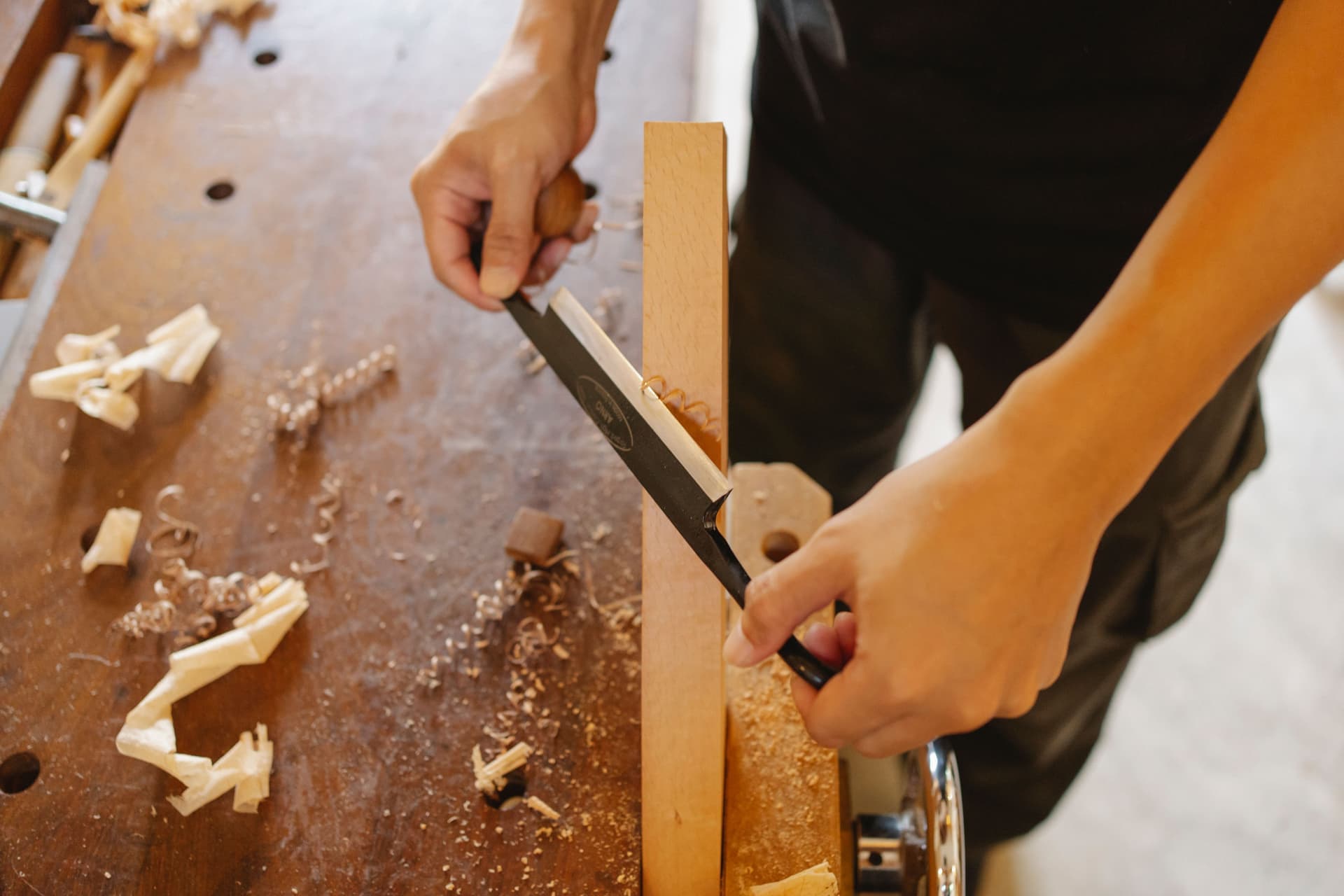
Restoration, everywhere else on this site, is what you do when maintenance did not happen. This page is the maintenance — the small, boring, repeated things that mean the rust bath and the sole lapping are a one-time event and not a recurring chore. It is the cheapest longevity insurance a tool ever gets: a few minutes and a smear of wax against an evening of restoration, and it is the difference between tools that quietly last a lifetime and tools that need saving every few years.
It is the same physics as rust removal and prevention— rust is iron plus water plus oxygen, so maintenance is mostly about keeping water off steel — and it is the daily habit behind tools that last a lifetime.
Wipe down after every use
This is the single highest-value habit and it takes half a minute. Human skin is slightly acidic and hands leave moisture, which is why well-used tools grow rust in the exact shape of a fingerprint. At the end of a session, wipe every bare-metal tool with a rag carrying a trace of oil — a camellia oil or light machine oil rag kept in a jar for the purpose. You are not coating the tool, only leaving a molecule-thin film that lifts sweat and stops the fingerprint bloom.
Degrease when it is time to re-protect
Old protective films go gummy and trap grit, and wax will not bond over grease. Before you re-wax or re-oil, wipe the surface down with mineral spirits to strip the tired film and any shop dust, then let it flash off dry. This is a cleaning step, not a restoration step — five seconds of solvent, not an abrasive. A clean surface is the whole point of the next step.
The protectants, and where each belongs
Paste wax on soles and bare castings.A hard paste wax — a beeswax-and-carnauba blend, or a conservation-grade microcrystalline wax — wiped thin onto a plane sole and buffed off does two jobs at once: it seals the metal against moisture, and it slicks the sole so the plane glides instead of dragging. That reduced friction is a real, felt improvement on every stroke, not just protection. Re-apply when the plane starts to feel sticky on the wood.
Oil on blades, irons and saw plates.Cutting edges and the bright faces near them want a light oil rather than wax. Camellia oil is the traditional choice because it is non-drying and will not contaminate a glue joint or a finish the way petroleum oils can — important on anything that touches a workpiece. A light machine oil is fine where contamination is not a concern.
Corrosion inhibitors for storage and damp shops.A moisture-displacing film like Boeshield T-9 suits tools in regular use in a humid space; it drives off water and dries to a waxy film that does not transfer to the work. Vapor-corrosion-inhibitor paper — VCI paper — in a drawer or chest protects everything near it for months and costs almost nothing.
One honest caveat: keep petroleum oils and heavy waxes off surfaces that will be glued or finished. For a plane sole this is a minor risk; for a chisel back or a saw plate that rides on the wood, a non-contaminating oil is the safer default. The full protectant line-up is on rust removal and prevention.
Storage is most of the battle
You can wax every tool weekly and still lose the war if they live in a damp, swinging-temperature space. Rust forms when a cold steel surface meets warm, moist air and condenses water onto itself, which is exactly what happens in an unheated garage that warms up each morning. The fixes, in order of effect: control humidity with a dehumidifier; keep tools in a closed chest rather than open on a wall, so they are buffered from the room; and add VCI paper inside that chest. A warm, dry shop with tools in a closed box barely needs the wax at all — which is precisely why traditional tool chests are closed boxes.
Wooden handles want attention too, though slower: a wax or a wipe of oil once or twice a year keeps totes and grips from drying and checking. The full handle routine is on restoring wooden tool handles.
A maintenance cadence
| When | Do this | Why |
|---|---|---|
| After each use | Wipe bare metal with an oily rag | Removes sweat and moisture; stops fingerprint rust |
| Every few sessions | Re-wax the plane sole; oil exposed irons | Restores glide and the moisture seal |
| Monthly (damp shops) | Check chest, refresh VCI paper, eyeball for bloom | Catches humidity problems before they pit |
| Seasonally | Full degrease and re-protect; oil wooden handles | Renews tired films; keeps handles from drying |
| When humidity swings | Run the dehumidifier; close the chest | Condensation, not neglect, is the usual culprit |
What to keep off your tools
A short list does more harm than good. Silicone spraysleave a slick that contaminates wood so glue and finish will not take, and it migrates around a shop invisibly — keep it well away from anything near a workpiece. Water-displacing sprays are fine as a quick rinse-and-wipe after a soak, but they dry to a thin, short-lived film and are not the long-term protectant many people assume; a wax or a dedicated corrosion inhibitor lasts far longer. And never leave an acidic cleansersitting on bare steel — it etches if it is not rinsed and dried promptly.
One habit worth breaking is putting tools away damp “just for now.” A plane stored with a film of sweat on it, or a chisel dropped into a closed drawer while still cool from an unheated shop, is exactly where fingerprint rust begins. Thirty seconds with the oily rag closes that door before it opens.
Why this is the cheapest insurance you can buy
Set the arithmetic against restoration. A tin of paste wax and a jar of oil cost little and last years, and the time is minutes spread across a hobby you already enjoy. Neglect costs an evening of rust removal, sole lapping and re-protecting per tool — the whole procedure on how to restore a hand plane— and each bout of rust that reaches pitting removes metal you never get back. Maintenance is not the exciting part of the hobby, but it is the part that decides whether a tool you restored once stays restored, or becomes a project again in two years. Do the boring thing, and the tool outlives you.
Questions
Frequently asked
How do I keep hand tools from rusting?
Wipe bare metal with a lightly oiled rag after each use, keep a wax or corrosion-inhibiting film on soles and blades, and above all control moisture — a dehumidifier and a closed tool chest do more than any product. Rust is just iron meeting water, so keeping water off steel is the whole game.
Should I wax a plane sole?
Yes. A thin coat of hard paste wax, buffed off, seals the casting against moisture and slicks the sole so the plane glides instead of dragging on the wood. It is both protection and a felt performance improvement, and you re-apply it whenever the plane starts to feel sticky.
What is the difference between waxing and oiling a tool?
Wax suits bare castings and plane soles — it seals and slicks. Oil suits blades, irons and saw plates, especially camellia oil, which will not contaminate a glue joint or finish. Corrosion inhibitors and VCI paper are for storage and damp shops. Match each to the surface.
How often should I maintain my hand tools?
Wipe bare metal after each use, re-wax soles and oil irons every few sessions, and do a full degrease and re-protect seasonally along with oiling wooden handles. In a damp shop, check for rust bloom monthly and run a dehumidifier whenever the humidity swings.
Is cleaning and waxing really cheaper than restoring?
By a wide margin. A tin of wax and a jar of oil cost little and last years, and the time is minutes. Neglect costs an evening of rust removal and re-protecting per tool, and every bout of rust that reaches pitting removes metal you never recover.
Keep reading
Related
- Rust removal and preventionThe full protectant line-up and the storage that stops rust.
- Tools that last a lifetimeWhere maintenance fits the whole buy-it-for-life case.
- Restoring wooden tool handlesKeeping the wood as well as the steel.
- How to restore a hand planeThe evening this routine saves you from repeating.
- Where to buy vintage hand toolsThe cheapest tools are where nobody expects a woodworker to look.
Back to Restore & Vintage · how we pick · editorial policy