We earn a commission when you buy through our Amazon links, at no extra cost to you. It never decides a ranking, and where the best tool in a class is one we earn nothing on, we say so and link it anyway. How this works.
The default first waterstone worldwide. A working edge on one side, a polishing edge on the other, a base to stop it sliding, and a price that removes every excuse not to own one.
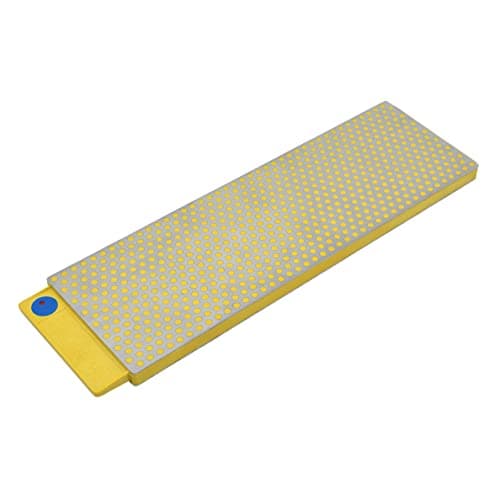
Coarse and fine on opposite faces of one plate. It is the complete diamond sharpening answer in a single object, and it will still be flat in thirty years.
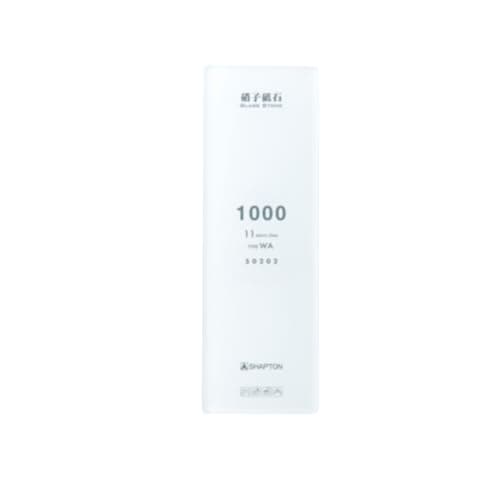
A thin abrasive layer bonded to a glass plate. It stays flat far longer than a conventional waterstone, cuts fast, and needs only a spritz of water rather than a soak.
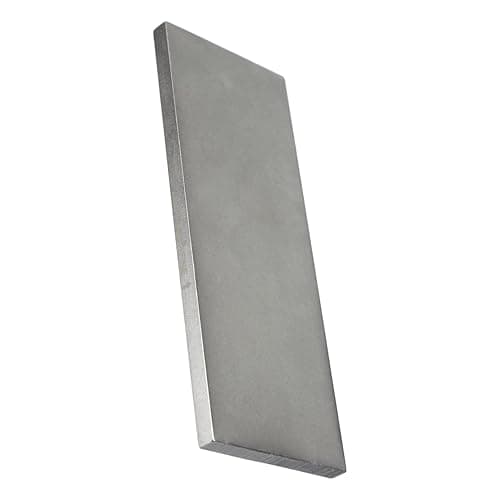
Diamond bonded to a steel plate: it cannot dish, it never needs flattening, and it works dry. For someone who wants sharpening to be a task rather than a hobby, this is the answer.
#ad· Live prices from the Amazon Product API, as of October 21, 2026. Where we have no verified live price we show none, and the cost-per-decade figure is suppressed with it — we would rather leave a gap than print a number that has rotted.
This is the first decision in sharpening and everything else follows from it. It is also a genuine trade rather than a right answer, which is why it stays contested.
How each one works
A waterstoneis abrasive particles held in a relatively soft binder. As you sharpen, the binder releases spent particles and exposes fresh sharp ones underneath. That continuous renewal is why waterstones cut so fast — you are always working on new grit — and it is also why they wear away. The stone is consuming itself in order to keep cutting.
A diamond plate is industrial diamond bonded to a steel substrate. The diamond does not release and the steel does not wear, so the surface stays exactly as flat as it was made. Nothing renews and nothing is consumed.
Every difference between them is a consequence of those two mechanisms.
Cutting speed
Waterstones win, clearly, especially on hard modern steels. Fresh grit is always being exposed, so the cutting rate stays high.
Diamond plates cut fast when new, then settle to a slower steady rate after the first few weeks as the highest-standing diamonds are worn down. That settled rate is perfectly usable and it is slower than a good waterstone.
Maintenance
Diamond plates win, completely. They never need flattening, never need soaking, work dry, and require no storage precautions.
Waterstones need a flattening stone and regular use of it. A dished stone puts a curved bevel on every tool you sharpen, and because it happens gradually you will blame your technique for weeks before you check the stone. That is the real cost of the maintenance obligation: not the time, but the fact that neglecting it silently degrades your work.
Finish
Waterstones win. A 6000 or 8000 grit waterstone leaves a polished edge that diamond plates cannot match, because the finest practical diamond grades are coarser than the finest waterstone grades.
One important qualifier: a strop with compound closes most of that gap for eight dollars. Diamond plate plus strop is close enough to waterstone-polished that the difference is hard to see in the work.
Longevity and cost per decade
Diamond plates win, and it shows in the ratings on this site. A waterstone is consumed as it works; a heavily used combination stone is a multi-year object rather than a multi-decade one, and Shapton's glass stones have a visibly finite abrasive layer.
A diamond plate has no consumable element at all. It is one of very few things in a workshop that genuinely does not wear out in normal use, which is exactly what a buy-it-for-life buyer is looking for. DMT publish a warranty page and manufacture in Marlborough, Massachusetts, which is more institutional backing than most sharpening equipment carries.
Which to buy
Waterstone if you want the best possible edge, you sharpen often enough for the maintenance to feel routine, and you do not mind water in the workshop. Buy the flattening stone at the same time, not later.
Diamond if you want sharpening to be a task rather than a practice, you sharpen occasionally, your workshop is cold or damp, or the idea of maintaining your maintenance equipment irritates you. Add a strop for the polish.
Both, if you can. A coarse diamond plate for repair work and flattening, plus a combination waterstone for the working and finishing grits, is the setup most experienced sharpeners converge on. The diamond plate flattens the waterstone, which removes the one thing people neglect.
The third option
Oilstones. Slow, forgiving, effectively permanent, and the only one of the three where a stone your grandfather bought is likely still in service. Covered on oilstones versus waterstones.
Every pick, in full
The write-ups
01Best first stone, and possibly your only one
No product image available
Grit
1000 / 6000 combination
Type
Soaking waterstone
Base
Plastic holder included
Warranty
Not published
King KW65 1000/6000 Combination Whetstone
King
7.8/10
The default first waterstone worldwide. A working edge on one side, a polishing edge on the other, a base to stop it sliding, and a price that removes every excuse not to own one.
Cost per decade
Suppressed — no live price
Horizon · tier C
20 years — No lifetime warranty; parts purchasable and resharpenable
A waterstone is its own consumable: the binder releases spent abrasive, which is why it cuts fast and why it dishes. Rated on realistic service life for occasional workshop use with periodic flattening, not on a warranty — none is published.
Rebuy risk
Medium
parts listed, resharpenable
Cut rate
8.0
Maintenance
6.0
Finish
8.5
Longevity
7.0
Value
9.5
What it gets right
+Two grits in one block covers the whole normal sharpening cycle
+Cheapest credible entry into real sharpening
+Forgiving of imperfect technique in a way harder stones are not
What it costs you
−Dishes quickly and genuinely needs regular flattening
−Needs soaking before use, which is a real friction point
−The 6000 side wears fastest, which is the side you want to keep
Skip this if…
…you will not buy a flattening stone with it. A dished waterstone puts a curved bevel on everything you own.
Coarse and fine on opposite faces of one plate. It is the complete diamond sharpening answer in a single object, and it will still be flat in thirty years.
Cost per decade
$53.99
Horizon · tier C
20 years — No lifetime warranty; parts purchasable and resharpenable
DMT publishes a warranty page and manufactures its bench stones in Marlborough, Massachusetts. We did not retrieve the specific term, so we do not rate it tier A. Diamond is bonded to a steel substrate: the plate never needs flattening and has no consumable element.
Rebuy risk
Medium
parts listed, resharpenable
Cut rate
9.0
Maintenance
10.0
Finish
7.0
Longevity
9.5
Value
8.0
What it gets right
+Covers repair and honing in one plate
+Interrupted surface clears swarf, so it keeps cutting
+Genuinely a lifetime object with no consumable element
What it costs you
−The interrupted surface can catch a very narrow chisel
−Higher up-front cost than a combination waterstone
−Cannot polish to the level a 6000 waterstone reaches
Skip this if…
…most of your chisels are under 1/4 inch. The interrupted surface is a real nuisance at that width; buy the continuous Dia-Sharp instead.
Price as of October 21, 2026. Prices move; Amazon's is the one that counts.
#ad · we may earn a commission from this link to DMT DuoSharp Double-Sided Diamond Whetstone, Fine/Coarse
03Best sharpening stone if you sharpen often
Grit
1000
Construction
Abrasive bonded to glass plate
Water
Splash and go, no soaking
Warranty
Not published
Shapton GlassStone 1000
Shapton
8.2/10
A thin abrasive layer bonded to a glass plate. It stays flat far longer than a conventional waterstone, cuts fast, and needs only a spritz of water rather than a soak.
Cost per decade
$28.35
Horizon · tier C
20 years — No lifetime warranty; parts purchasable and resharpenable
A waterstone is its own consumable: the binder releases spent abrasive, which is why it cuts fast and why it dishes. Rated on realistic service life for occasional workshop use with periodic flattening, not on a warranty — none is published.
Rebuy risk
Medium
parts listed, resharpenable
Cut rate
9.5
Maintenance
9.0
Finish
8.5
Longevity
7.0
Value
7.0
What it gets right
+Glass substrate means it dishes far less than a conventional stone
+No soaking, so sharpening is a two-minute interruption rather than a ritual
+Cuts noticeably faster than a King at the same nominal grit
What it costs you
−Thin abrasive layer: this stone has a finite and visible life
−Expensive per usable millimeter of abrasive
−Still needs occasional flattening despite the substrate
Skip this if…
…you sharpen twice a year. The value of a fast, always-ready stone is proportional to how often you reach for it.
Diamond bonded to a steel plate: it cannot dish, it never needs flattening, and it works dry. For someone who wants sharpening to be a task rather than a hobby, this is the answer.
Cost per decade
$32.65
Horizon · tier C
20 years — No lifetime warranty; parts purchasable and resharpenable
DMT publishes a warranty page and manufactures its bench stones in Marlborough, Massachusetts. We did not retrieve the specific term, so we do not rate it tier A. Diamond is bonded to a steel substrate: the plate never needs flattening and has no consumable element.
Rebuy risk
Medium
parts listed, resharpenable
Cut rate
8.5
Maintenance
10.0
Finish
7.0
Longevity
9.5
Value
7.5
What it gets right
+Zero maintenance: no soaking, no flattening, no storage precautions
+Continuous surface handles narrow chisels without dropping in
+US manufacture, with a published warranty page
What it costs you
−Cannot reach the polish a fine waterstone gives
−Diamond plates lose their initial aggression in the first weeks of use
−Expensive for one grit
Skip this if…
…you want a mirror polish. A diamond plate gets you sharp, not shiny, and the two are not the same goal.
For maintenance and longevity, clearly — they never need flattening and have no consumable element. For cutting speed and final polish, waterstones win. Neither is better in general.
Do diamond stones wear out?+
They lose their initial aggression in the first few weeks as the highest diamonds wear down, then settle to a stable cutting rate that lasts for many years. They never dish and never need flattening.
Why do waterstones need flattening?+
Because the binder releases spent abrasive to expose fresh grit — the same mechanism that makes them cut fast also wears the surface unevenly. A dished stone puts a curved bevel on everything you sharpen.
Can diamond stones get an edge as sharp as waterstones?+
Not quite on their own; the finest diamond grades are coarser than the finest waterstone grades. A strop with compound closes most of the gap for about eight dollars.
Should I buy both?+
It is what most experienced sharpeners end up with: a coarse diamond plate for repair and for flattening the waterstone, plus a combination waterstone for the working and finishing grits.
We have not handled these tools. Nobody here has tested one, owned one, or taken one apart. Specifications come from the manufacturer or the retailer listing; warranty terms come from the maker's own warranty page; the cost-per-decade arithmetic is ours and reproducible. Where we could not verify a figure we say so on the page rather than quietly leaving it out. Read the full method.